Appliances · Buying Guide

Best LEM Mighty Bite Meat Slicers for Home Deli Prep

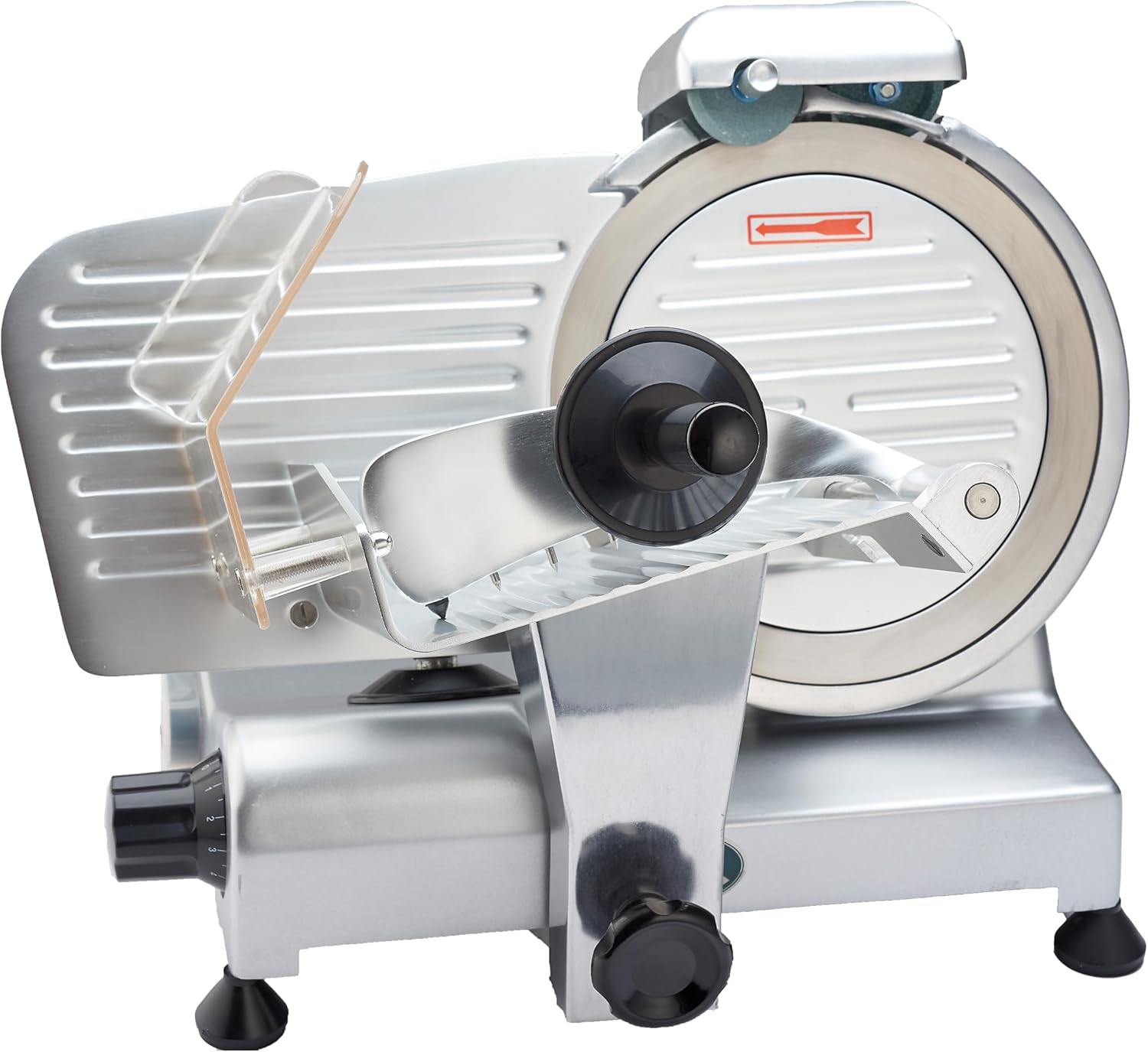
Preparing homemade deli-style meats and cheeses at home requires dependable equipment designed for consistent slicing tasks. Home cooks and hunters frequently process roasts, hams, and cured sausages into uniform portions for everyday meals and storage. Electric food slicers simplify this process by offering adjustable thickness controls and motorized blades that reduce manual effort during food preparation.

Selecting the right electric slicer involves evaluating motor power, blade size, and overall footprint to match your kitchen space and volume requirements. Various countertop models provide distinct physical dimensions and power ratings, accommodating everything from occasional jerky slicing to heavier daily meal prep routines. Exploring these options helps you find a suitable appliance for your kitchen counter.

As an Amazon Associate, StacyLaughs earns from qualifying purchases.

LEM MightyBite 8.5 Inch Electric Meat Slicer
#1 Best Overall

LEM MightyBite 8.5 Inch Electric Meat Slicer

This 8.5-inch electric meat slicer features an aluminum frame and a powerful 200-watt motor designed to handle deli meats, roast beef, ham, and firm cheeses. It includes a clear removable hand guard and suction feet for stability during operation. The adjustable dial allows users to slice from paper-thin portions up to 0.625 inches thick for various meal preparation needs.

Best for Everyday home deli meat slicing

Precision slicing for meatsRemovable hand guardAdjustable thickness dialSturdy aluminum frameTwo-year factory warranty
View on Amazon →

What stands out

  • The 200-watt motor delivers reliable power for slicing through various meats and firm cheeses during routine kitchen meal preparations.
  • An adjustable dial lets users easily switch between paper-thin cuts and thicker portions up to 0.625 inches for versatile recipes.
  • Suction feet anchor the aluminum frame firmly to the countertop, helping maintain stability while operating the slicing mechanism.

What to consider

  • Measuring over eighteen inches in both length and width, the physical frame requires substantial permanent counter space during routine kitchen operation and storage.
  • The manual operation mode means users must push the food carriage by hand, which demands continuous physical engagement during larger slicing tasks.
Key specifications
BladeLength
8.5 inches
Item Dimensions L x W x H
18.13"L x 18.13"W x 12"H
Material Type
Aluminum
Blade Material Type
Stainless Steel
Product Care Instructions
Hand Wash Only
Operation Mode
Manual

The practical verdict

This appliance suits home cooks seeking a capable machine for slicing deli meats, roasts, and firm cheeses with adjustable thickness options. Avoid this model if your kitchen counters lack the space to accommodate an eighteen-inch square appliance base footprint. The main trade-off involves balancing a powerful 200-watt motor and large aluminum frame against the necessity of dedicating significant counter space for daily use.

#2
LEM 8.5 Inch Electric Meat Slicer
Compact Deli Slicer

LEM 8.5 Inch Electric Meat Slicer

Best for General kitchen vegetable and meat slicing

Equipped with an 8.5-inch blade and a 120-watt motor, this electric slicer manages deli meats, vegetables, and cured sausages efficiently. The aluminum base incorporates suction-cup feet to maintain stability, while the adjustable dial accommodates cuts from zero to nineteen millimeters. It comes with both fine and serrated stainless blades, providing flexibility for handling different food textures during kitchen preparation tasks.

What stands out

  • Including both fine and serrated stainless blades allows you to tackle softer meats, fibrous cuts, and vegetables with appropriate tooling.
  • The dial adjusts slice thickness from zero up to nineteen millimeters, supporting both ultra-thin prosciutto and thicker sandwich cuts.
  • A built-in food tray catches sliced portions directly, helping keep your surrounding workspace organized during food preparation sessions.

What to consider

  • The 120-watt motor provides modest power output, which may require a slower feed rate when processing denser cheeses or larger meat volumes.
  • Requiring manual hand operation means you must actively push the food pusher through the cutting zone for every single slice produced.
Key specifications
BladeLength
8.5 inches
Item Dimensions L x W x H
13.5"L x 18.78"W x 12.25"H
Material Type
Aluminum
Blade Material Type
Metal
Product Care Instructions
Hand Wash Only
Operation Mode
Manual

The practical verdict

This model fits home cooks who want an adjustable slicing tool for everyday deli meats, vegetables, and cheeses without excessive power consumption. Avoid it if you frequently process very dense, frozen, or commercial quantities of meat. The primary trade-off centers on utilizing a modest 120-watt motor and compact footprint that saves space, which naturally limits heavy-duty processing speed compared to larger induction motor appliances.

#3
LEM BigBite 10 Inch Electric Meat Slicer
Heavy-Duty Pro Slicer

LEM BigBite 10 Inch Electric Meat Slicer

Best for Heavy-duty home and game processing

Built for heavy-duty kitchen performance, this appliance features a 10-inch blade and a powerful 0.43 horsepower induction motor. The gravity-fed sliding carriage and graduated dial, which ranges from one to ten millimeters, deliver consistent slices for roasts, breads, and cheeses. Alloy steel and aluminum housing provide a robust structure, while the integrated sharpener maintains blade performance over time.

What stands out

  • The robust 0.43 horsepower induction motor supplies high torque for demanding slicing tasks involving large roasts and cured meats.
  • A gravity-fed sliding carriage moves smoothly to deliver consistent, uniform slices with minimal manual effort from the operator.
  • An integrated sharpening stone keeps the ten-inch stainless steel blade properly maintained for ongoing cutting precision.

What to consider

  • Weighing heavily and measuring over twenty inches in width, this large appliance demands a permanent, dedicated location on your kitchen countertop.
  • The structured gravity-feed design and heavy motor increase the physical bulk, making routine relocation or cabinet storage impractical for most users.
Key specifications
BladeLength
10 inches
Item Dimensions L x W x H
18.25"L x 20.75"W x 15.5"H
Material Type
Alloy Steel
Blade Material Type
Stainless Steel
Product Care Instructions
Hand Wash Only
Operation Mode
Automatic

The practical verdict

This heavy-duty appliance suits hunters and home chefs who regularly process large volumes of meat, bread, and cheese requiring commercial-grade power. Avoid this slicer if you have limited counter space or only need occasional light sandwich slicing. The main trade-off involves accepting a very large footprint and heavy weight in exchange for a powerful induction motor and a larger ten-inch cutting blade.

#4
LEM 7.5 Inch Electric Meat Slicer
Space-Saving Food Slicer

LEM 7.5 Inch Electric Meat Slicer

Best for Compact everyday kitchen cutting tasks

Designed with a compact footprint, this electric slicer uses a 150-watt motor and a belt-driven stainless steel serrated blade to process meats, cheeses, and vegetables. The aluminum and plastic housing features suction-cup feet for countertop stability. An adjustable dial supports thicknesses from zero to twenty millimeters, while removable components simplify the cleanup process after completing your kitchen tasks.

What stands out

  • The compact housing design occupies minimal counter space, making it convenient for smaller kitchens with limited storage availability.
  • A belt-driven serrated blade powered by a 150-watt motor cleanly slices through breads, vegetables, and cured meats.
  • Removable components like the food tray and blade allow for straightforward cleaning routines after finishing food preparation work.

What to consider

  • Constructed with plastic housing elements alongside metal parts, this model offers a lighter build that may flex during heavy pressure applications.
  • The vertical dimension combined with a narrower base footprint requires careful placement to ensure stability on slick countertops during operation.
Key specifications
Item Dimensions L x W x H
9"L x 9"W x 15"H
Material Type
Stainless Steel
Blade Material Type
Alloy Steel, Plastic, Stainless Steel
Product Care Instructions
Hand Wash Only
Operation Mode
Automatic
Item Weight
10.6 pounds

The practical verdict

This compact slicer fits individuals seeking a space-saving appliance for routine slicing of breads, vegetables, and everyday deli meats. Avoid this model if you require an all-metal heavy-duty machine for processing massive quantities of dense game meats. The central trade-off balances a lightweight, space-saving profile that is easy to store against a plastic-inclusive housing construction that feels less rigid than commercial frames.

#5
LEM BigBite 8.5 Inch Electric Meat Slicer
Commercial-Style Home Slicer

LEM BigBite 8.5 Inch Electric Meat Slicer

Best for Frequent multi-texture food processing

This heavy-duty appliance combines a 0.25 horsepower induction motor with a sturdy cast aluminum housing to handle demanding slicing tasks. The belt-driven system delivers ample torque for cutting tough meats, cheeses, and breads. A graduated knob adjusts thickness from one to ten millimeters, and the gravity-fed carriage paired with skid-resistant rubber feet ensures stability and safety during use.

What stands out

  • A 0.25 horsepower induction motor with belt drive generates strong torque to slice through tough meats and dense cheeses smoothly.
  • Sturdy cast aluminum housing provides a rigid, durable structure designed to withstand frequent food preparation and slicing routines.
  • Skid-resistant rubber feet anchor the machine securely to your countertop surface during active gravity-fed slicing operations.

What to consider

  • The cast aluminum housing and induction motor create a heavy appliance structure that is difficult to move around the kitchen.
  • A ten-millimeter maximum thickness setting restricts your ability to cut exceptionally thick portions compared to machines featuring wider adjustment dial ranges.
Key specifications
BladeLength
8.5 inches
Item Dimensions L x W x H
17.75"L x 18.5"W x 13.5"H
Material Type
Aluminum
Blade Material Type
Stainless Steel
Product Care Instructions
Hand Wash Only
Operation Mode
Automatic

The practical verdict

This slicer best suits experienced home cooks and hunters who frequently process dense meats and artisan breads requiring robust motor torque. Avoid it if you need ultra-thick roast portions beyond ten millimeters or require a lightweight appliance. The primary trade-off involves managing a heavy cast aluminum build and restricted maximum thickness range to gain commercial-grade motor torque and reliable sliding stability.

Buying guide

Motor Power and Performance

Motor power directly influences how smoothly an electric slicer handles various food items during regular meal preparation routines in your kitchen. Lower-wattage motors ranging from 120 to 150 watts work efficiently for soft cheeses, fresh vegetables, and standard sandwich meats. However, tougher cured sausages, artisan breads, or dense game meats demand higher torque output to prevent mechanical stalling during active operation.

Advanced induction motors offering fractional horsepower ratings deliver superior durability and continuous operation capability for heavy-duty processing tasks. Evaluating your typical food processing frequency and ingredient hardness helps determine whether a standard home motor or a robust commercial-style motor best suits your specific kitchen requirements over time.

Blade Size and Material Types

Blade dimensions dictate the maximum cross-section size of roasts or hams you can slice in a single pass across the cutting zone. Smaller 7.5-inch and 8.5-inch blades accommodate average sandwich loaves and standard deli meats comfortably. Meanwhile, larger 10-inch blades handle oversized game roasts and wide artisan bread loaves without requiring awkward repositioning of the food item during slicing.

Blade composition also affects cutting performance and maintenance needs across different food textures. Stainless steel and alloy steel blades maintain sharp cutting edges through frequent use, while serrated edges excel at gripping fibrous meats and crusty breads. Choosing the correct blade type ensures clean, uniform slices for every recipe you prepare in your home.

Thickness Adjustment and Precision

Thickness adjustment mechanisms determine the versatility of your slicer when preparing diverse recipes in your kitchen. Graduated dials offering millimeter scales or fractional inch measurements allow you to transition smoothly from paper-thin prosciutto to thick steak portions. Precision control is essential for achieving consistent sandwich slices and evenly portioned cured meats for your family meals.

Different models feature adjustment ranges spanning from zero up to twenty millimeters, accommodating specialized cutting requirements. Reviewing the available thickness range helps ensure the appliance can produce both delicate charcuterie slices and hearty meal components according to your personal cooking preferences without limiting your recipe flexibility.

Slicing Mechanism and Operation Mode

Slicing mechanisms generally utilize either manual pushing or gravity-fed sliding carriages to guide food toward the rotating blade during active operation. Manual pushers require the operator to apply consistent physical force, which works well for occasional or smaller meal preparation tasks. Gravity-fed carriages use angled trays to let gravity assist the sliding motion.

Automatic or gravity-assisted systems reduce operator fatigue during larger processing sessions by maintaining a steady feed rate across the cutting edge. Understanding how the carriage operates helps you select a machine that matches your physical comfort and the volume of ingredients you plan to slice on a regular basis.

Footprint and Countertop Stability

Appliance dimensions and weight dictate how the slicer fits into your kitchen workspace and daily available storage areas. Compact models with smaller base areas save valuable counter space in smaller kitchens, while heavy aluminum or alloy steel units require dedicated permanent locations. Measuring your available countertop space beforehand prevents frustrating storage and placement issues later.

Countertop stability is equally crucial for safe and effective slicing performance during active food preparation routines. Essential features like secure suction-cup feet or skid-resistant rubber bases anchor the appliance firmly to the surface, preventing unwanted shifting while you guide meats, vegetables, and cheeses through the active cutting blade.

Maintenance and Component Cleaning

Cleaning an electric meat slicer thoroughly after every single use is essential for maintaining food hygiene and proper mechanical function over time. Models featuring removable blades, detachable food trays, and accessible aluminum frames simplify the cleanup process significantly. Hand-washing these removable components prevents stubborn food residue buildup in hard-to-reach crevices after food preparation.

Built-in features like integrated sharpening stones also help maintain long-term blade sharpness without requiring professional servicing or external tools. Reviewing manufacturer cleaning requirements and disassembly steps ensures you choose an appliance that fits easily into your post-cooking sanitation routine without causing unnecessary daily frustration in the kitchen environment.

Frequently asked questions

Can these electric meat slicers cut frozen meats?

Most home electric meat slicers are explicitly not designed to cut fully frozen meats, as attempting to slice frozen blocks can damage the motor, warp the blade, or create safety hazards. Manufacturers typically recommend thawing meats completely before processing them through the machine. If you need to slice semi-firm or chilled meats, ensure they are properly thawed to a workable state and follow the manufacturer operating guidelines to protect the motor and maintain consistent slicing performance over time.

How do I adjust the slice thickness on my LEM slicer?

Slicing thickness is adjusted using a built-in graduated dial or knob located on the side of the appliance. By turning this dial, you can move the thickness plate closer to or further away from the rotating blade. Depending on the specific model, the adjustment range typically spans from paper-thin settings up to ten or twenty millimeters. Always adjust the thickness dial while the machine is turned off and secure, following the instructions provided in your user manual for the best results.

Are the blades removable for cleaning?

Yes, many LEM electric meat slicer models feature removable blades and detachable food trays designed to facilitate quick and easy cleaning after use. You can typically detach the blade and food tray according to the instructions in the user manual to wash them by hand. Hand washing ensures that all food particles and residues are thoroughly removed from hard-to-reach areas, keeping the appliance sanitary and ready for your next food preparation session in the home kitchen.

What safety features are included with these slicers?

LEM electric meat slicers incorporate several safety features designed to protect the user during operation. Common features include clear removable hand guards and snap-on food pushers that keep your fingers safely away from the rotating blade while guiding foods through the cutting zone. Additionally, many models feature suction-cup feet or skid-resistant rubber bases that anchor the appliance firmly to the countertop, preventing unexpected slipping or movement during active slicing tasks.

Can I cheese and bread as well as meat?

Yes, these versatile kitchen appliances are designed to handle a variety of foods beyond standard meats, including firm deli cheeses, fresh vegetables, and artisan breads. Some models even include specialized fine or serrated stainless steel blades optimized for different food textures. When slicing firm cheeses or crusty breads, ensure you select the appropriate blade type and adjust the thickness dial to achieve clean, uniform slices for your sandwiches and meal preparation tasks.

Final thoughts

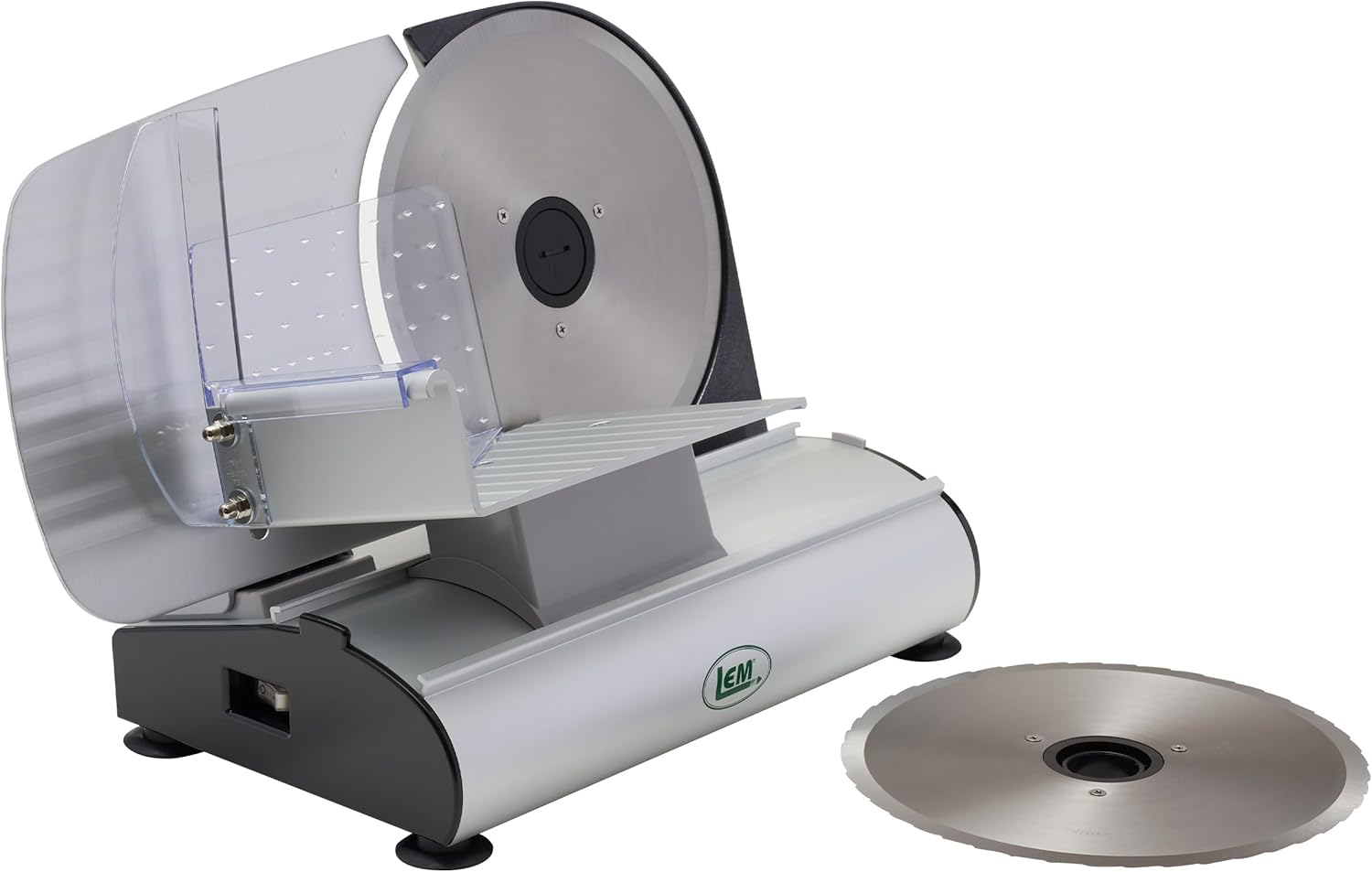
Choosing the right electric meat slicer for your home kitchen depends heavily on your specific food processing needs, available counter space, and desired motor power. Whether you select a compact model for light sandwich prep or a heavy-duty unit for game processing, understanding these core factors ensures lasting satisfaction.

Carefully reviewing motor specifications, blade sizes, and cleaning requirements helps you find a reliable appliance that fits seamlessly into your daily routine. By matching the slicer capabilities to your everyday cooking habits, you can enjoy fresh, uniform deli cuts right at home for years to come.