Appliances · Buying Guide
Best Non Toxic Spatula Options for Safe Everyday Cooking
Finding the right cooking tools matters when you want to protect your cookware and prepare meals without unnecessary chemical exposures. A reliable spatula needs to handle daily flipping, stirring, and scraping tasks while fitting comfortably in your hand during busy kitchen routines.
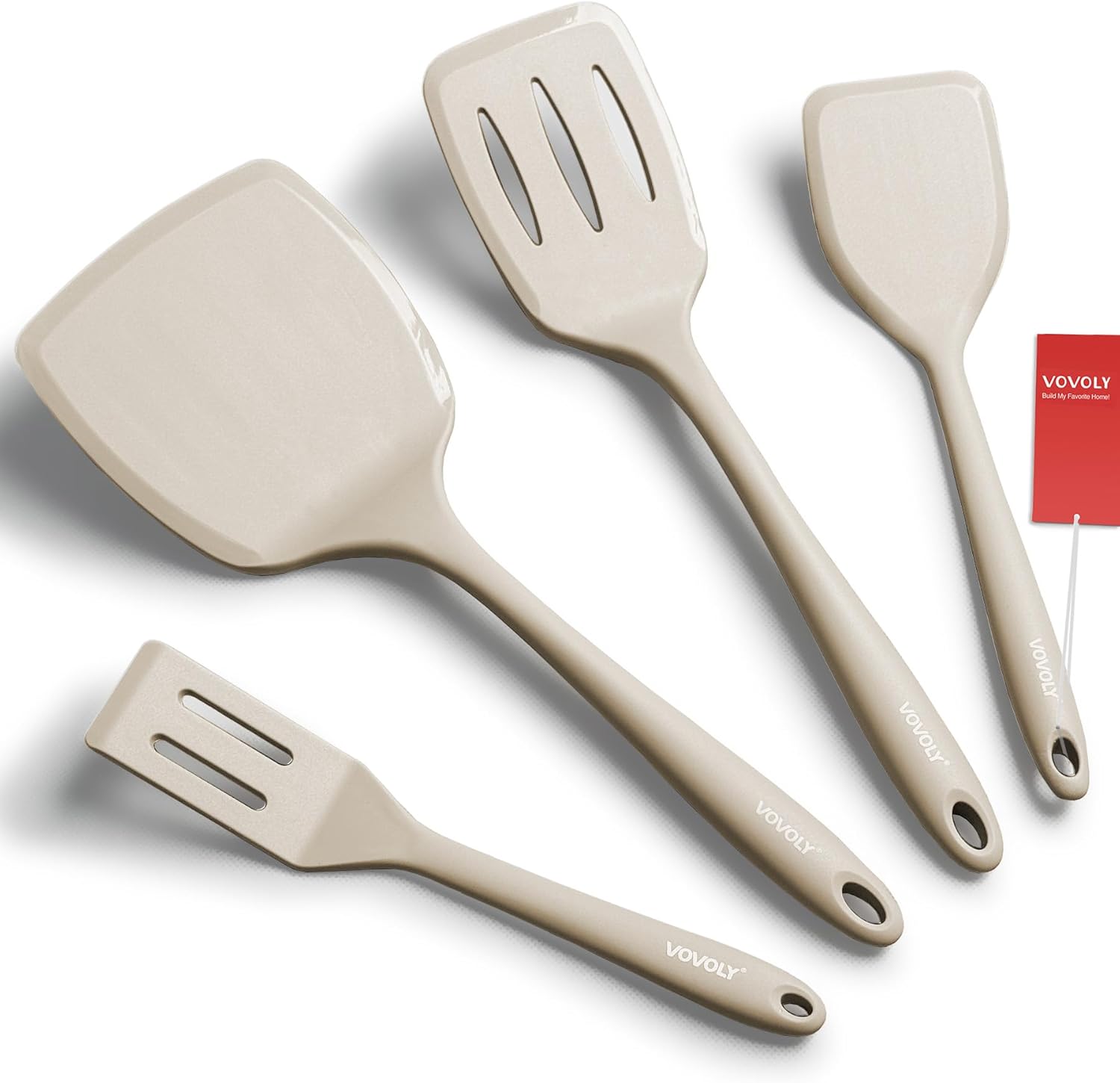
Whether you prefer the natural look of finished wood or the flexible strength of high-heat silicone, various options exist to match your specific cooking style. This overview highlights distinct kitchen spatula sets, focusing on their stated dimensions, material construction, and practical everyday use cases.
As an Amazon Associate, StacyLaughs earns from qualifying purchases.
Buying guide
Material Selection for Cookware Protection
Choosing the right material ensures your pots and pans remain entirely free from unsightly scratches during daily meal preparation routines. Silicone and natural wood represent the top choices for nonstick surfaces because their soft, forgiving edges prevent the permanent surface gouging commonly associated with standard metal kitchen utensils. Understanding how different materials interact with hot surfaces protects your investment over years of frequent use.
Wood offers a classic traditional look alongside a solid, comfortable feel, while silicone provides modern flexibility, seamless construction, and high heat tolerance. Evaluating your specific cookware collection helps you decide whether a warm wooden turner or a resilient silicone scraper better suits your everyday cooking style and cleanup preferences. Matching your utensils to your pans prevents premature wear.
Heat Resistance and Temperature Limits
Stovetop cooking often exposes utensils to intense heat, making high temperature resistance a critical purchasing factor for busy kitchens. Advanced silicone models frequently withstand temperatures up to 600 degrees Fahrenheit, successfully preventing melted edges or chemical breakdown when accidentally left resting inside a hot skillet. This extra threshold offers peace of mind for newer home cooks.
Wooden utensils handle everyday stovetop heat quite well, but certain woods can suffer surface damage if exposed to extreme thermal conditions or hot liquids for prolonged intervals. Checking manufacturer temperature guidelines ensures your chosen spatula remains structurally sound and safe during demanding high-heat frying or baking sessions without risking warping.
Handle Construction and Core Support
A secure handle prevents accidental slips and reduces hand fatigue during extended cooking or baking sessions. Utensils featuring reinforced internal cores, such as stainless steel or sturdy nylon, provide rigid support through the center while keeping the outer blade flexible enough for thorough bowl scraping. This internal stability stops the tool from bending under heavy pressure.
Solid wood handles offer natural tactile comfort and traditional grip ergonomics, but they rely entirely on the structural integrity of the carved timber. Examining how a handle is constructed helps you determine whether it can easily handle stirring dense batters, folding heavy ingredients, or pressing heavy burgers without structural failure.
Cleaning and Maintenance Requirements
Maintenance needs vary significantly between silicone and wooden kitchen utensils in a busy household cooking environment. Modern silicone models generally feature seamless, dishwasher-safe designs that resist food and grime buildup, allowing for effortless cleanup after greasy meals without requiring special conditioning steps or tedious manual scrubbing sessions in the sink.
Traditional wooden spatulas require careful hand washing and periodic oil treatments, such as food-grade wax or mineral oil, to maintain their protective gloss and prevent wood drying or cracking over time. Reviewing these ongoing upkeep obligations ensures your cleaning routine matches your personal schedule and household preferences over years of regular cooking tasks and baking projects.
Size Assortments and Task Variety
Different cooking tasks demand varying spatula dimensions and blade shapes for optimal performance at the stovetop or baking station. A multi-piece set containing small cookie spatulas, slotted turners, and wide pancake turners ensures you always have the exact tool needed for every specific recipe in your weekly home meal rotation plan.
Single-purpose oversized turners work exceptionally well for flipping large burgers or delicate fish fillets, while compact scrapers excel in smaller mixing bowls and jars. Assessing your typical menu helps you determine whether a diverse multi-piece assortment or a specialized single-size pack fits your kitchen needs best without cluttering storage drawers unnecessarily.
Long-Term Durability and Construction Quality
Investing in durable kitchen tools ensures longevity and reliable daily performance across countless meals and baking projects. Solid wood pieces carved from a single timber block avoid glued joint failures, while steel-cored silicone tools resist snapping under heavy pressure when stirring dense doughs or folding thick ingredients together in large mixing bowls.
Examining the build quality helps you avoid flimsy utensils that bend or warp during standard cooking routines on the stovetop or frying skillet. Selecting well-constructed spatulas provides dependable daily assistance for breakfast, lunch, and dinner preparation for years to come, reducing the frequency of replacement purchases in your household kitchen.
Frequently asked questions
Are silicone spatulas safe to use on nonstick cookware?
Yes, silicone is naturally soft and flexible, making it entirely safe for use on all types of nonstick pans, ceramic cookware, and stainless steel surfaces. Unlike metal utensils that can easily scratch or gouge delicate coatings, high-grade food-grade silicone provides a smooth contact surface for everyday flipping, stirring, and scraping tasks without causing surface damage. You can cook with confidence knowing your cookware coatings remain protected during regular meal preparation.
How should I clean and maintain wooden spatulas?
Wooden spatulas require careful hand washing with mild soap and warm water rather than soaking or cleaning inside an automatic dishwasher. To prevent the wood from drying out or cracking over time, you should apply periodic treatments using food-grade mineral oil or specialized wood wax. Following these manufacturer maintenance guidelines helps preserve the natural grain, smooth finish, and longevity of your wooden kitchen utensils through years of regular use.
What is the advantage of a reinforced internal core in silicone spatulas?
A reinforced internal core made of stainless steel or sturdy nylon provides crucial structural strength through the center of the utensil while keeping the outer edges flexible. This design prevents the handle from bending or collapsing when you stir dense doughs, fold thick ingredients, or press heavy items in a hot pan. It combines the pliability needed for scraping bowls clean with the rigidity required for heavier cooking tasks.
Can heat-resistant silicone spatulas melt during high-temperature cooking?
High-grade silicone models designed to withstand temperatures up to 600 degrees Fahrenheit will not melt during normal stovetop cooking, baking, or frying tasks. This impressive heat resistance allows you to leave the utensil resting in a hot pan briefly without worrying about ruined dinner ingredients. However, you should always check the specific manufacturer temperature limits and avoid direct, prolonged contact with open flames or burner elements to prevent damage.
Why do some spatula sets include multiple sizes and shapes?
Spatula sets often include a variety of sizes and shapes because different kitchen tasks require specialized tools for optimal results. A wide turner works best for flipping large pancakes or whole fish fillets, while a compact spatula or narrow scraper excels at reaching into smaller jars, mixing bowls, or baking pans. Offering a range of options ensures you have the right tool for everything from delicate cookies to heavy batters.