Appliances · Buying Guide
Best Olive Wood Kitchen Utensils for Natural Cooking Style
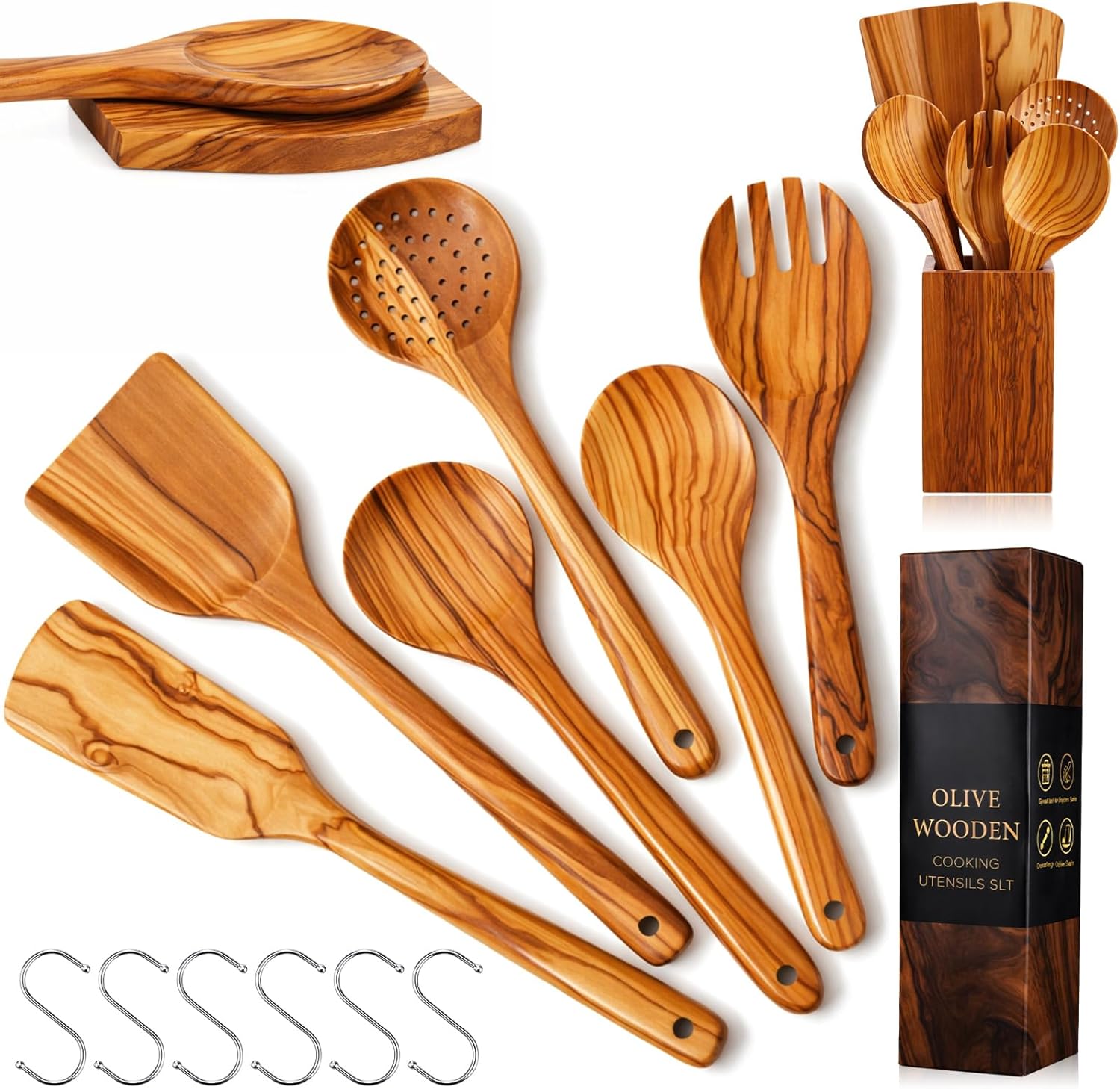
Upgrading your cookware accessories with natural materials brings both aesthetic warmth and reliable functionality to everyday meal preparation. Olive wood kitchen utensils offer distinct grain patterns and solid density that handles daily stirring, mixing, and serving tasks efficiently without scratching delicate non-stick surfaces on modern cookware. Because these items feature natural wooden construction, they deliver a rustic charm that fits various home kitchen designs.
Choosing the right set depends heavily on your specific cooking habits, required piece counts, and handle length preferences. Whether you need a compact three-piece set for basic tasks or an expansive ten-piece collection for diverse culinary recipes, understanding the physical attributes of each option ensures a seamless, beautiful addition to your home kitchen setup and daily routine. Evaluating these details helps match tools to your exact needs.
As an Amazon Associate, StacyLaughs earns from qualifying purchases.
Buying guide
Wood Density and Durability
Olive wood is naturally dense and hard, making it exceptionally well-suited for kitchen utensils that face daily stirring, scraping, and mixing tasks. Unlike softer woods, dense grain structures resist deep scratching and hold up well against heavy ingredients without warping under normal cooking temperatures. This inherent durability ensures that your wooden cooking tools remain dependable partners for routine meal preparation sessions in busy home kitchens.
When evaluating sets, look for descriptions highlighting solid construction and natural wood oils. These attributes help the tools repel moisture and resist staining from richly pigmented or acidic foods, ensuring your utensils maintain their structural integrity and appearance over years of regular home cooking use. Investing in solid wood quality prevents premature cracking and extends the operational lifespan of your kitchen accessories.
Handle Length and Reach
Handle length plays a crucial role in kitchen comfort, especially when you are working with deep stockpots, boiling liquids, or active stovetop heat. Utensils measuring twelve to fourteen inches long keep your hands safely away from rising steam and hot oil splatters during intensive frying or simmering sessions. Choosing the right reach prevents accidental burns and enhances overall control over large batches of simmering soups.
However, extra-long handles require adequate storage space in kitchen drawers or tall countertop crocks. Consider the depth of your storage areas before choosing oversized tools to ensure they fit comfortably without awkward crowding or preventing drawer closure. Balancing your reach requirements with available kitchen storage space guarantees a frustration-free addition to your cooking accessory collection.
Piece Count and Selection
Choosing the right number of pieces depends heavily on your typical cooking routine and recipe variety. Smaller sets featuring three to five items cover core tasks like turning, stirring, and basic serving, making them ideal for straightforward meal preparation and minimalists. These compact assortments keep your workspace uncluttered while providing the essential tools required for everyday breakfast and dinner tasks.
Larger collections with ten pieces offer specialized implements such as spaghetti spoons, corner tools, slotted spoons, and multiple spatulas. Assess your daily cooking habits to determine whether a streamlined set or a comprehensive bundle best serves your culinary needs. Having specialized shapes available prevents scrambling for missing tools when preparing intricate multi-course dinners for family and guests.
Cookware Compatibility
One of the primary advantages of natural wood utensils is their gentle nature toward delicate cookware surfaces. Unlike metal spoons that scratch non-smooth coatings or plastic tools that can risk melting under high heat, olive wood provides a safe interface for non-stick pans, ceramic pots, enamel Dutch ovens, and seasoned cast iron skillets.
The smooth, sanded edges glide across coated pans without damaging the finish, protecting your investment in high-end cookware. This broad compatibility makes wooden tools a reliable choice across diverse pan types, ensuring you can cook confidently without worrying about gouged surfaces or ruined coatings. Selecting wood preserves the lifespan of your favorite pots and pans during daily meal preparation.
Maintenance and Care Routines
Maintaining olive wood utensils requires simple manual habits to preserve their natural beauty and prevent premature aging. Hand washing with mild soap and warm water is essential, as automated dishwashers expose natural wood to excessive heat and harsh detergents that cause splitting. Drying the pieces immediately with a towel prevents lingering moisture from damaging the grain structure over time.
Periodically applying food-grade mineral oil or olive oil helps replenish natural moisture and keeps the wood grain looking vibrant. This quick conditioning routine prevents surface dryness and ensures your kitchen utensils retain their smooth texture and rich color for years of reliable service. Embracing these straightforward upkeep habits guarantees lasting performance from your wooden tools.
Gifting and Aesthetic Appeal
Beyond functional performance, olive wood utensils offer striking visual appeal characterized by rich golden grain patterns and unique textures. Because every piece features natural variations, no two sets look identical, bringing organic warmth and rustic charm to your open kitchen decor. Displaying these beautifully figured tools in a countertop crock adds an elegant, natural accent to farmhouse or modern interior spaces.
This decorative quality also makes olive wood utensil sets popular choices for gifting during housewarmings, weddings, anniversaries, or holiday celebrations. Their combination of practical utility and heirloom-style appearance appeals to home cooks who value both visual elegance and everyday reliability in their kitchen accessories, making them memorable and appreciated presents for friends and family members.
Frequently asked questions
Can olive wood kitchen utensils be safely washed in a dishwasher?
No, olive wood kitchen utensils should never be washed in an automated dishwasher. Dishwashers subject natural wood to prolonged immersion, intense heat, and harsh chemical detergents that strip away natural oils, leading to severe warping, cracking, and splintering. Instead, manufacturers universally recommend washing these wooden tools by hand using mild soap and warm water, followed by immediate towel drying. Adhering to this manual cleaning routine protects the structural integrity of the wood and preserves its smooth surface finish over years of regular kitchen use.
How often should I apply oil to my olive wood kitchen utensils?
You should periodically condition your olive wood utensils with food-grade mineral oil or olive oil whenever the wood begins to look dry, dull, or feels slightly rough to the touch. For frequent users who cook daily, applying a thin coat of oil every few weeks or months is typically sufficient to maintain the wood's natural luster and moisture barrier. Simply rub the oil evenly across the clean, dry surface, let it absorb for a short time, and wipe away any excess residue with a soft cloth.
Will olive wood utensils scratch my non-stick cookware?
No, olive wood utensils are naturally safe for non-stick cookware, enamel pots, ceramic surfaces, and seasoned cast iron. Wood is significantly softer than metal cookware coatings and features smooth, rounded edges that glide effortlessly across pans without gouging, scratching, or damaging delicate surfaces. This makes wooden spoons and spatulas an ideal choice for home cooks seeking reliable stirring tools that protect their investment in high-end non-stick pots and pans during daily meal preparation and cooking tasks.
Why do olive wood utensils feature varying grain patterns and colors?
Olive wood naturally displays distinct, swirling grain patterns, golden undertones, and varying shades of brown because of the organic growth characteristics of olive trees. Unlike mass-produced plastic or silicone tools that look uniform and identical, each handcrafted olive wood utensil possesses a completely unique appearance. These natural variations mean no two pieces or sets are exactly alike, providing an artisanal, high-end decorative appeal that brings organic warmth and rustic beauty directly to your indoor kitchen space.
Do olive wood utensils absorb food odors or stains easily?
Olive wood possesses a naturally dense grain structure and contains intrinsic wood oils that help resist moisture absorption, staining, and lingering food odors compared to more porous woods. While frequent contact with richly pigmented ingredients like tomato sauce or turmeric can occasionally cause minor surface discoloration, regular hand washing and occasional oil conditioning effectively minimize staining. This natural resistance helps keep your utensils hygienic, clean, and fresh-smelling through countless cooking sessions and recipe preparations.