Appliances · Buying Guide
Best Over the Sink Plastic Colanders for Quick Kitchen Prep
Finding the right tool to rinse produce and drain pasta without taking over your counter space is essential for efficient kitchen routines in any busy home. An over the sink plastic colander bridges this gap by utilizing unused sink span, keeping food elevated, and providing a lightweight, rust-free solution for everyday washing and straining tasks.
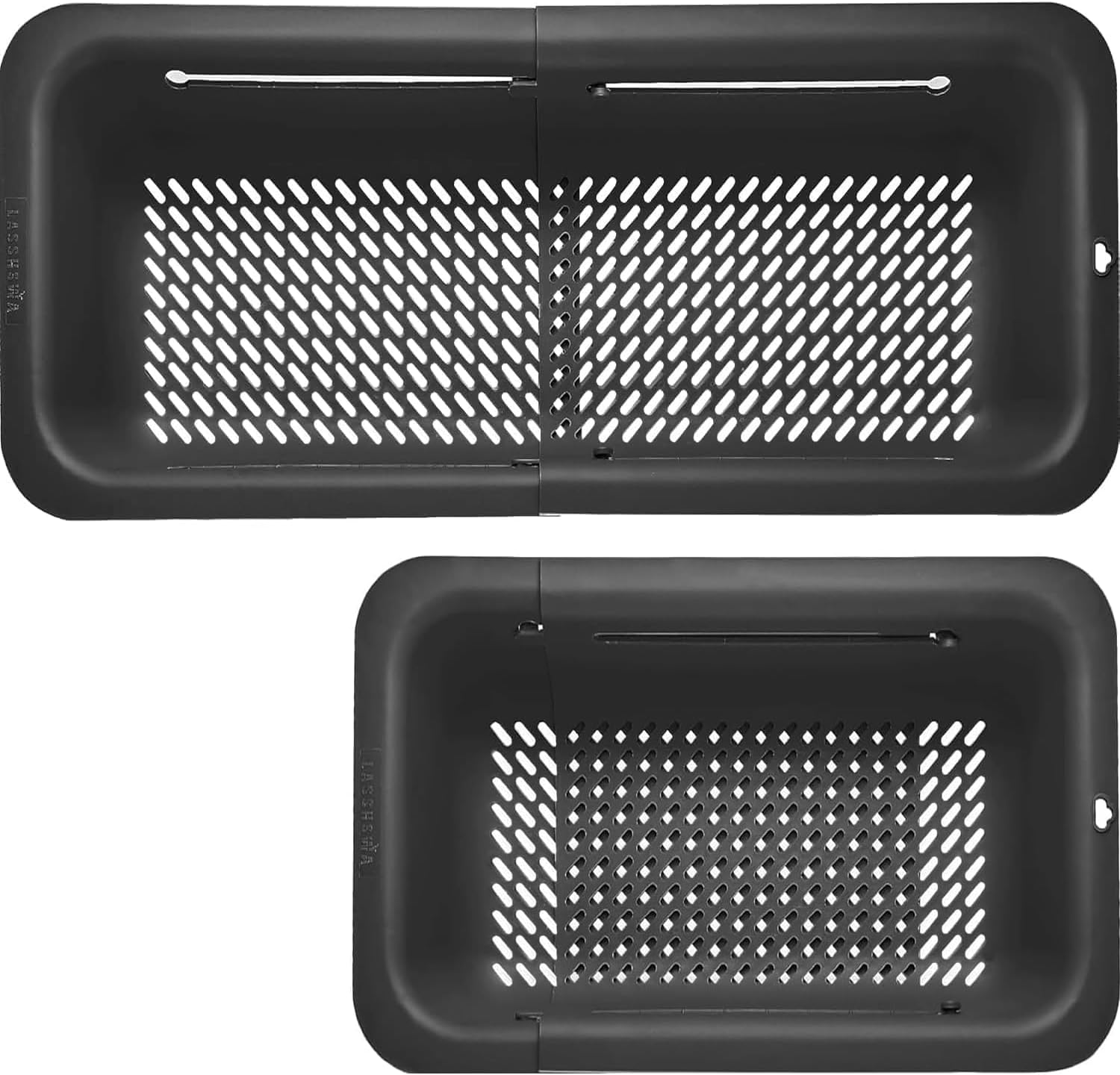
These expandable strainers adjust to fit various basin widths, offering a stable platform for rinsing fresh vegetables, thawing frozen items, or air-drying small utensils. Crafted from food-safe polymers, they provide a durable alternative to metal baskets while remaining simple to clean, lightweight to handle, and easy to store.
As an Amazon Associate, StacyLaughs earns from qualifying purchases.
Buying guide
Sizing and Sink Compatibility
Choosing the correct over the sink colander begins with carefully measuring your specific kitchen basin width. Extendable models typically span from thirteen to nineteen inches, comfortably accommodating standard single and double sink layouts. Verify your inner sink dimensions before purchasing to ensure the resting arms securely grip the outer edges without accidentally slipping into the basin.
A proper fit prevents the strainer from shifting or tipping when loaded with wet produce or heavy pots of freshly boiled pasta. If your sink features an unconventional rim style or custom dimensions, check the minimum and maximum extension ranges closely to guarantee stable, safe placement during everyday kitchen preparation tasks and routine dish washing.
Material Selection and Durability
Plastic colanders offer a lightweight, rust-free alternative to traditional stainless steel mesh strainers. Food-grade polypropylene and BPA-free polymers withstand daily moisture exposure without corroding, making them ideal for constant kitchen use. These resilient materials resist daily wear while providing a rigid enough structure to support moderate food weights safely during intensive meal prep.
When evaluating plastic options, look for sturdy wall construction that resists flexing under pressure. High-quality polymers maintain their shape over time, ensuring the extendable arms continue to slide smoothly without binding or cracking during frequent adjustments across your sink basin. Selecting durable materials prevents premature cracking and extends the operational lifespan of your kitchen tool.
Drainage Hole Size and Grain Containment
The size of the drainage holes dictates how effectively the colander performs different daily kitchen tasks. Larger perforations allow water to evacuate rapidly when draining large batches of hot pasta or heavy produce. However, wide openings will let tiny ingredients like rice, quinoa, and small seeds slip straight through into your plumbing system.
Consider what types of food you prepare most frequently before selecting a specific mesh pattern. If you primarily wash leafy greens and chunky vegetables, a wider hole layout accelerates your workflow significantly. For versatile culinary use, check the exact millimeter specification to match your typical cooking ingredients and avoid frustrating food loss down the drain.
Base Height and Water Separation
A raised base is an essential design feature that keeps your food elevated safely above standing water in the sink basin. This vertical clearance prevents rinsed fruits, vegetables, and pasta from sitting in dirty runoff water during active food preparation. Look for integrated feet, rubber pads, or a dropped floor panel that guarantees proper structural separation from the sink floor.
Adequate elevation also helps when using the colander as a temporary rack for air-drying cups and small utensils. By keeping the bottom of the basket off the wet sink surface, air circulates more freely underneath, promoting faster drying and cleaner rinsing results throughout your daily cleanup routines and meal prep sessions without extra hassle or stagnant pooling.
Storage Footprint and Compact Design
Kitchen storage space is often at a premium, making the physical profile of your colander an important purchasing consideration. Standard rigid strainers take up substantial cabinet room, whereas collapsible models fold down flat to slip easily into tight drawers or narrow gaps. Assess your available storage areas before deciding on a deep or collapsible design style.
If you prefer a non-collapsible extendable model, check its overall height to ensure it fits comfortably beneath other stacked plates or inside shallow cupboards. A low-profile basket minimizes kitchen clutter, allowing you to maintain an organized cooking environment even when working with multiple prep tools stored safely within limited cabinetry and drawers.
Maintenance and Cleaning Convenience
Keeping your kitchen tools hygienic requires regular cleaning, making dishwasher-safe construction a highly valuable practical feature for busy cooks. Plastic strainers that tolerate high-heat dishwasher cycles save significant time during post-meal cleanup routines. Smooth polymer surfaces prevent food particles from clinging stubbornly to the walls, ensuring quick sanitation between heavy cooking sessions and messy food preparations.
Inspect the perforated areas and drainage holes for hard-to-reach crevices where food residue might accumulate over extended periods of daily use. Choosing a model with simple, clean lines prevents stubborn buildup, keeping your strainer sanitary and ready for action whenever you need to rinse fresh produce or drain hot ingredients safely without extra scrubbing effort.
Frequently asked questions
Can I put my plastic over the sink colander in the dishwasher?
Yes, all featured plastic over the sink colanders are explicitly designed to be dishwasher safe for effortless cleaning. Placing them on the top or bottom rack allows high-heat cycles to sanitize the polymer surface without damaging the frame. However, verifying your specific dishwasher manufacturer guidelines is always recommended to prevent warping from heating elements. This easy-to-clean capability ensures that starches, sauces, and food residues wash away quickly, keeping your kitchen tool hygienic and ready for daily food preparation tasks.
Will an extendable sink colander fit my specific kitchen sink?
Extendable sink colanders are engineered with adjustable arms that typically span from fourteen to nineteen inches, allowing them to fit most standard single and double kitchen sinks securely. Before purchasing, measure your basin's inner width to confirm that the resting arms will bridge the span without slipping. If your sink has an unusual rim design or custom dimensions, checking the minimum and maximum extension ranges guarantees a stable, secure fit during food rinsing and pasta draining tasks.
Can I use these plastic strainers to wash rice or small grains?
These plastic over the sink strainers feature drainage holes ranging from small perforations up to wider mesh sizes designed primarily for pasta, fruits, and vegetables. Consequently, they are not recommended for washing rice, quinoa, or other tiny grains because the openings will let the small food items slip straight through into the sink drain. If you frequently prepare small grains, you will need a dedicated fine-mesh sieve rather than an extendable sink colander basket.
How do raised bases and support pads improve colander performance?
A raised base and integrated support pads elevate the bottom of the colander above the floor of the sink basin. This vital vertical clearance prevents washed fruits, vegetables, and pasta from sitting directly in dirty runoff water while you work. Furthermore, this design keeps food contained securely and promotes better air circulation underneath when the basket doubles as a drying rack for cups and utensils, enhancing overall kitchen hygiene and draining speed.
What are the main benefits of choosing plastic over metal colanders?
Plastic colanders offer several distinct advantages over traditional metal alternatives, starting with a completely rust-free construction that withstands constant moisture exposure. They are significantly lighter in weight, making them much easier to lift, adjust, and transport across your kitchen counters and sink edges. Additionally, high-grade polymers are gentle on delicate dishware and glassware during washing, while remaining durable enough to handle daily food prep tasks without denting or scratching your kitchen sink basin.