Appliances · Buying Guide
Best Over the Sink Collapsible Colanders for Easy Kitchen Food Draining
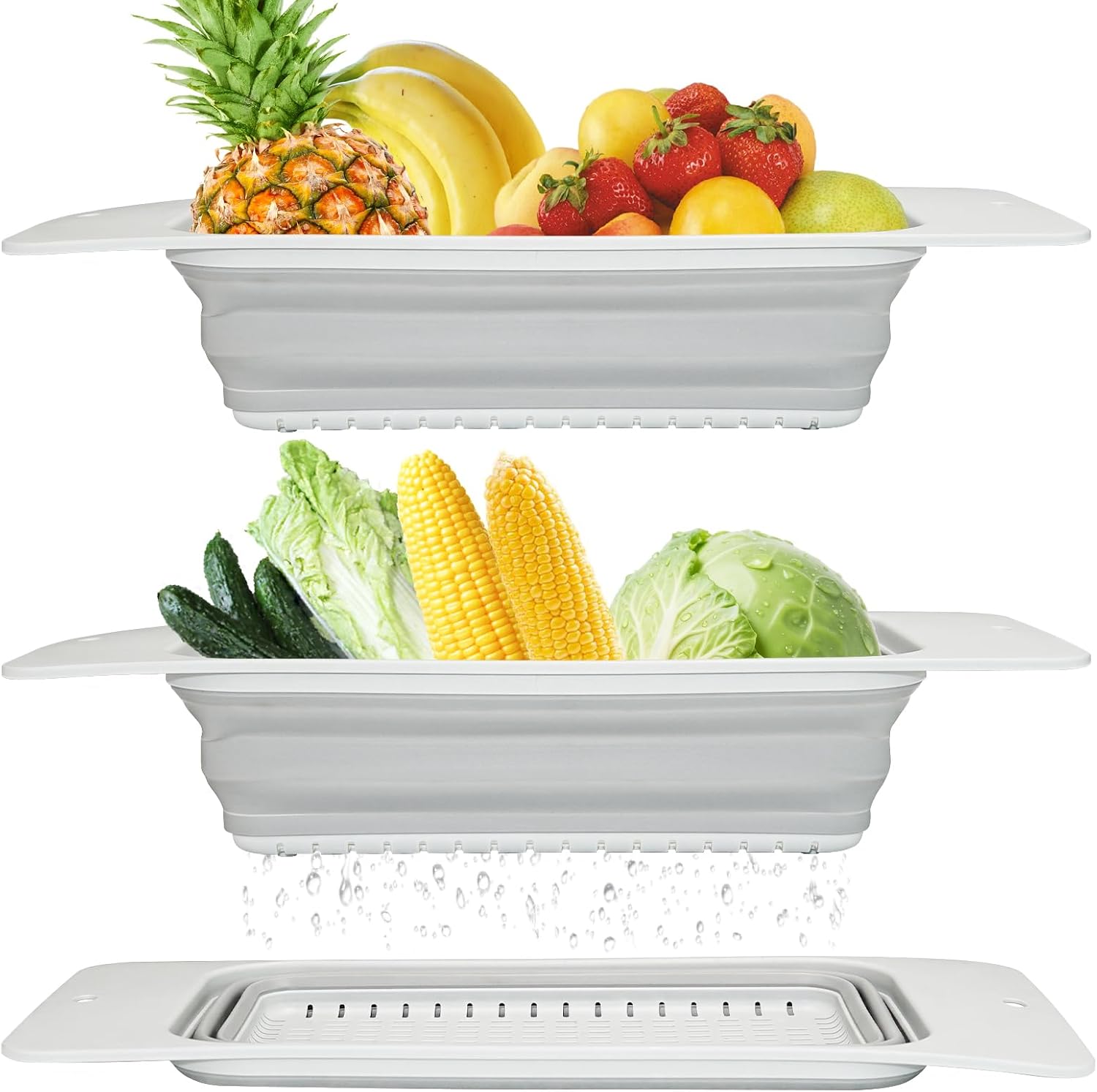
Finding the right tool to rinse fresh produce and drain hot pasta without cluttering your counters is a common kitchen challenge for home cooks. Over the sink collapsible colanders offer a smart, space-saving solution by utilizing unused basin space while folding flat for compact storage in tight cabinets, drawers, or crowded RV kitchens.
Whether you need a heavy-duty stainless steel mesh model for fine grains or a lightweight plastic and silicone basket for daily vegetable rinsing, these versatile kitchen helpers come in various sizes and configurations. Evaluating your typical meal preparation habits, available storage space, and sink dimensions helps you select a draining tool that fits seamlessly into your daily routine.
As an Amazon Associate, StacyLaughs earns from qualifying purchases.
Buying guide
Evaluating Sink Dimensions and Fit
Before selecting any over-the-sink colander, measure the inner and outer width of your kitchen basin. Many models feature adjustable or extendable handles that bridge standard sinks, but unusual configurations like farmhouse or oversized basins require careful attention. Checking handle span specifications ensures your chosen strainer rests securely without slipping into the water.
Matching the physical footprint of the colander to your specific sink prevents frustrating accidents during heavy meal prep. Some rigid metal models offer fixed spans, while plastic versions utilize preset adjustment notches. Taking a few moments to verify these measurements guarantees a stable platform for draining boiling pasta or washing bulky vegetables safely every single day.
Material Selection for Durability
Kitchen colanders are manufactured from various materials, including stainless steel, polypropylene, and silicone combinations. Stainless steel provides unmatched resistance to rust and corrosion while offering a fine mesh for tiny grains. On the other hand, BPA-free plastics and soft rubber parts deliver lightweight handling and flexible designs that bend easily for compact storage.
Your choice of material directly influences daily maintenance and heat tolerance. Metal strainers handle high temperatures effortlessly and endure aggressive scrubbing in the dishwasher. Flexible plastic and silicone alternatives require attention to specific temperature thresholds but offer gentle contact surfaces for delicate fruits and simple everyday rinsing tasks around the kitchen.
Storage and Space-Saving Designs
Kitchen storage space is often at a premium, making collapsible models an appealing choice for apartments, RVs, and compact homes. Folding strainers utilize flexible middle sections that press down flat to heights under an inch, allowing them to slide easily into narrow drawers or crowded cabinets alongside baking sheets.
Permanent metal baskets provide robust structural rigidity but lack collapsible capabilities, requiring dedicated vertical or horizontal cabinet room. When evaluating storage options, balance your desire for an ultra-slim folded profile against your long-term need for heavy-duty metal framing and frequent stacking convenience during busy cooking sessions.
Capacity and Food Volume Needs
Selecting the correct capacity depends heavily on your household size and typical cooking habits. Three-quart models suit single portions or light vegetable rinsing, while larger five to six-quart baskets easily accommodate family-sized batches of boiled pasta, potatoes, and bulky greens. Matching volume to your recipes prevents overflows during draining.
Multi-pack sets provide various sizing options, letting you choose the ideal basin depth for specific ingredients without cluttering workspace. Consider whether you routinely cook large holiday meals or simple weeknight dinners when deciding between a single high-capacity colander and a versatile nesting collection.
Drainage Performance and Mesh Types
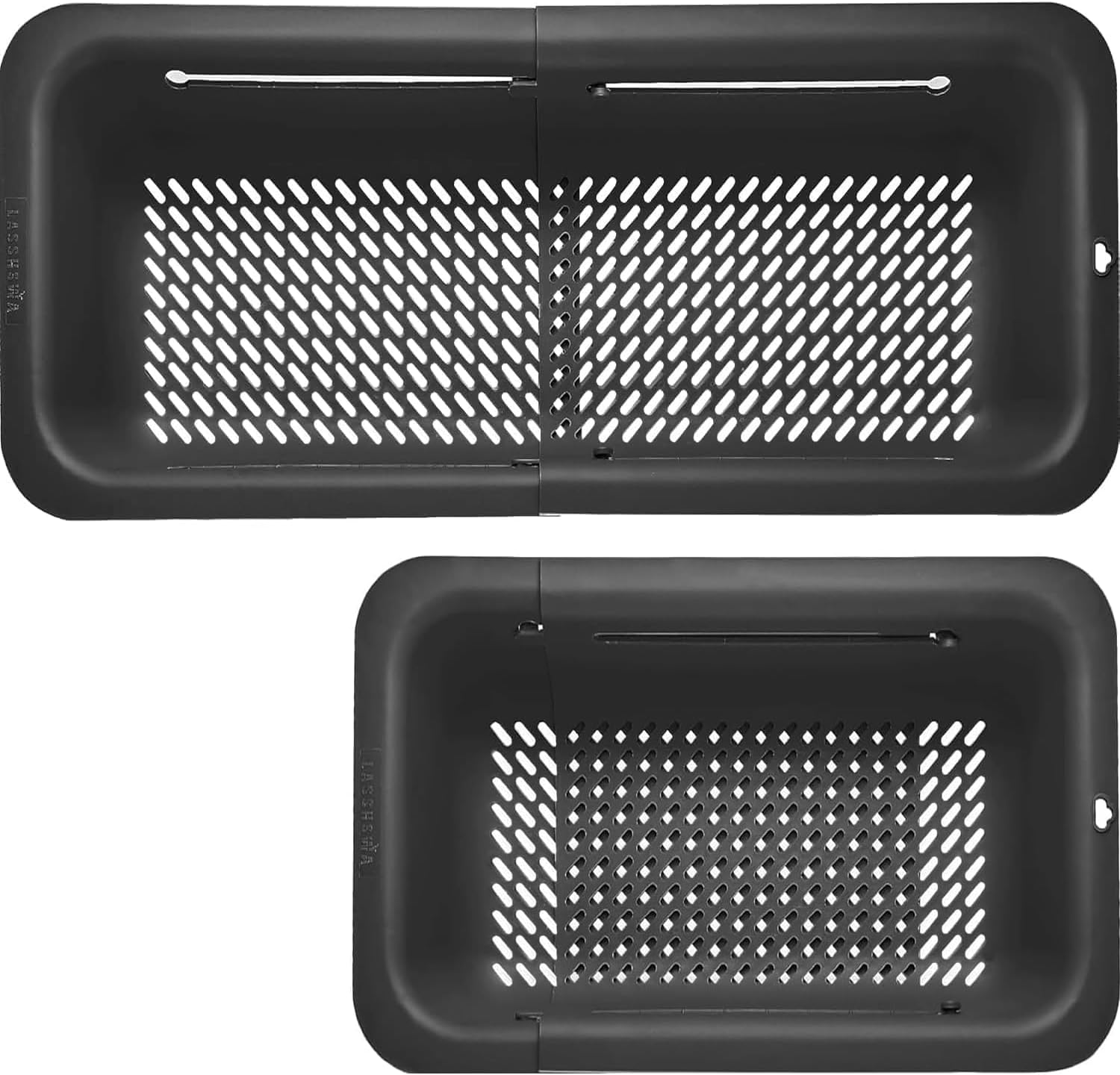
The style of drainage holes dictates how efficiently liquids evacuate from your food. Dense perforation patterns and elongated slots speed up water removal during heavy pasta straining. However, larger hole patterns allow tiny ingredients like rice and quinoa to slip through, requiring you to match the mesh type to your preferred recipes.
Fine stainless steel mesh sieves capture micro-grains securely while maintaining rapid fluid flow through supportive wire frames. Evaluating the size of the holes prevents accidental food loss down your kitchen drain and ensures your strainer handles everything from leafy greens to fine grains effectively.
Cleaning and Maintenance Practices
Keeping your colander hygienic requires minimal effort when selecting dishwasher-safe models built from food-grade plastics or corrosion-resistant stainless steel. Smooth surfaces prevent food particles from becoming trapped in hard-to-reach corners during messy food preparation tasks, ensuring fast cleanup after every family meal.
Follow manufacturer guidelines regarding maximum heat exposure, particularly for flexible rubber and plastic folding sections. Proper cleaning habits preserve material integrity, prevent warping, and maintain the smooth operation of extendable handles and folding walls over years of consistent kitchen use.
Frequently asked questions
Can I pour boiling water directly into a collapsible silicone colander?
Many plastic and silicone colanders tolerate moderate hot water temperatures, but you must always check the specific manufacturer guidelines and temperature limits for your exact model. For instance, certain folding designs explicitly note heat resistance thresholds up to one hundred seventy-six degrees Fahrenheit. If your boiling pasta water exceeds these stated specifications, a stainless steel colander offers superior temperature endurance without any risk of thermal degradation or material warping over extended periods of heavy kitchen use.
Will small grains like rice and quinoa fall through the colander holes?
Whether tiny grains escape depends entirely on the mesh design of your chosen colander. Standard plastic and silicone models typically feature larger drainage holes or slots designed for fast pasta and vegetable rinsing, meaning items like rice and quinoa will slip right through. If you frequently rinse fine grains or sifter flour, you should select a fine mesh stainless steel sieve designed specifically to trap micro-ingredients while draining liquids safely.
How do I store a collapsible colander in a small kitchen?
Collapsible colanders are specifically engineered for tight spaces by incorporating flexible silicone or rubber middle sections that press flat. When compressed, many models measure less than an inch in height, allowing them to slide effortlessly into narrow cabinet gaps, drawers, or baking sheet slots. Additionally, several designs feature integrated hanging holes on the rim, letting you mount the folded basket directly on a wall or pantry hook to preserve precious shelf space.
Do extendable handles fit all kitchen sink sizes?
Extendable handles are designed to bridge a wide variety of standard sink basins by stretching across adjustable spans, often ranging from fourteen up to twenty-six inches depending on the specific model. However, extremely narrow sinks or farmhouse basins featuring a high raised outer lip may not accommodate every handle design properly. Always measure your inner sink dimensions and check the manufacturer's handle span range before purchasing to ensure a secure, stable fit.
Are these colanders safe to clean in a dishwasher?
Most modern collapsible colanders constructed from food-grade plastics, polypropylene, silicone, or stainless steel are fully dishwasher safe for effortless daily cleanup. Placing them on the top rack of your dishwasher helps prevent excessive heat distortion on flexible rubber components while washing away stubborn food residues effectively. Always consult the specific manufacturer care instructions provided with your product to confirm whether high-temperature drying cycles are recommended for your particular folding strainer model.