Appliances · Buying Guide

Best OXO Smooth Edge Can Opener Choices for Kitchens

Choosing the right manual can opener can significantly simplify daily meal preparation and reduce hand strain. Whether you are prepping ingredients for soups or opening canned vegetables, having a dependable tool matters immensely. Different models offer various mechanisms, ranging from side-cutting smooth-edge designs to traditional top-cutting wheels equipped with integrated bottle openers for added kitchen convenience.

Understanding how each option operates helps match the tool to your specific kitchen routine. Some designs prioritize touch-free lid removal using built-in pliers, while others focus on oversized turning knobs and cushioned handles for enhanced grip comfort. Evaluating these features ensures you select a manual opener that fits your everyday cooking habits seamlessly without unnecessary physical strain.

As an Amazon Associate, StacyLaughs earns from qualifying purchases.

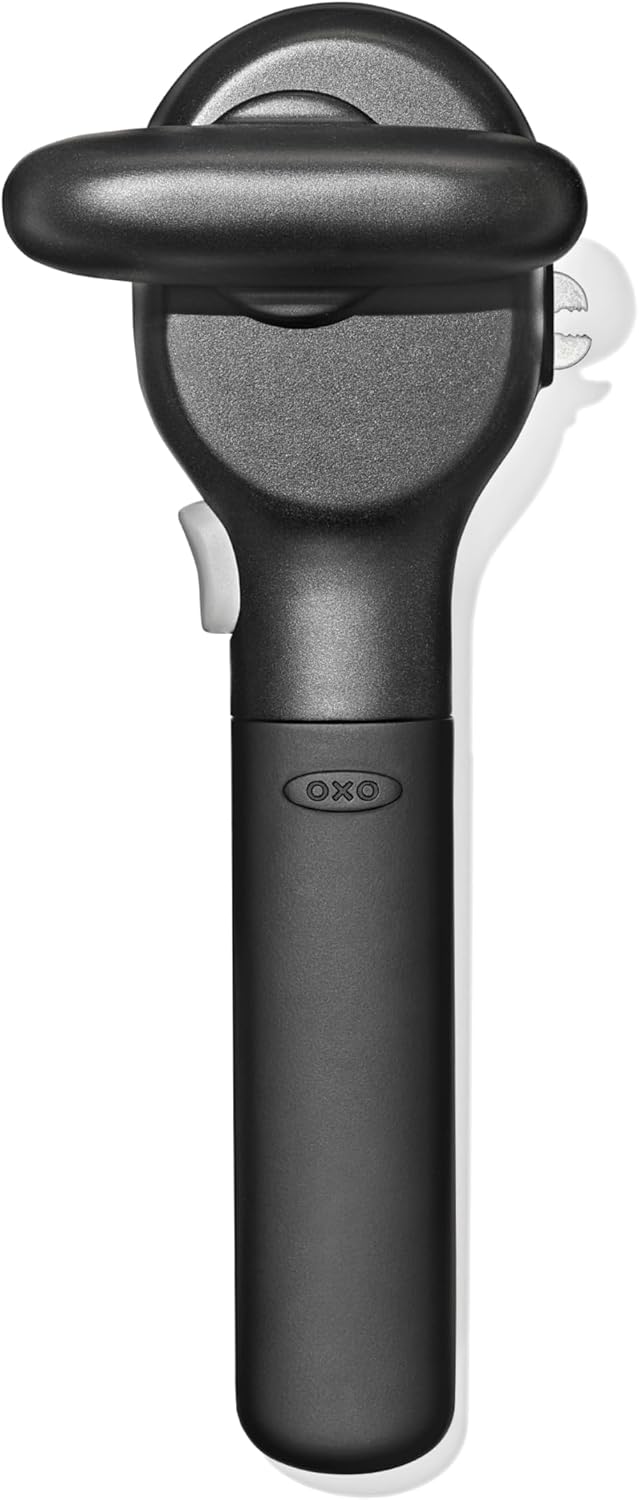
OXO Good Grips Smooth Edge Manual Can Opener
#1 Best Overall

OXO Good Grips Smooth Edge Manual Can Opener

This stainless steel manual can opener cuts along the side of cans to leave smooth edges on both the lid and the container. It features an oversized side-wind mechanism designed to move smoothly without excess effort. Built-in hardened stainless steel pliers enable contact-free lid removal, keeping your hands clean during routine food preparation tasks in the kitchen.

Best for Smooth-edge side-cut meal prep

Leaves smooth edgesBuilt-in pliersDishwasher safeStainless steel bladeEasy side-wind mechanism
View on Amazon →

What stands out

  • Cuts along the side of the can to leave smooth edges on both the lid and container.
  • Oversized side-wind mechanism moves smoothly during operation without requiring excessive physical effort or strain.
  • Built-in pliers allow for contact-free lid removal and keep hands clean during food preparation tasks.

What to consider

  • Constructed with stainless steel material and a side-cut mechanism that requires specific alignment along the rim during operation, which may take some practice for new users.
  • Features a side-cutting design rather than traditional top cutting, meaning the overall operation method differs from standard openers and requires getting used to the sideways action.
Key specifications
Material Type
Stainless Steel
Blade Material Type
Stainless Steel
Operation Mode
Manual
Size
Smooth Edge
Item Dimensions W x H
4.5"W x 7.5"H
Model Number
1049953

The practical verdict

This model is best for home cooks seeking a side-cutting design that leaves smooth edges on both cans and lids to prevent accidental cuts. Avoid it if you prefer traditional top-cutting mechanisms or find side-wind knobs difficult to operate. The main trade-off involves adapting to the side-cut operation method and using the built-in pliers for lid removal, which ensures touch-free safety but requires a specific technique compared to standard openers.

#2
Kuhn Rikon Auto Safety LidLifter Can Opener
Hygienic LidLifter Tool

Kuhn Rikon Auto Safety LidLifter Can Opener

Best for Touch-free ring-pull can opening

Engineered in Switzerland, this red manual can opener utilizes a side-cut design to open cans cleanly while leaving a smooth, safe rim. It features a patented LidLifter that grips and lifts lids without direct food contact. An integrated ring-pull tool opens pull-tab lids safely, supported by an ergonomic knob and precision gears for effortless turning during daily use.

What stands out

  • Side-cut design opens cans cleanly and leaves a safe, smooth rim without any sharp edges.
  • Patented LidLifter mechanism grips and lifts lids securely without touching food or sharp metal surfaces.
  • Built-in ring-pull tool handles pull-tab lids safely and easily without hurting your fingers during opening.

What to consider

  • Relies on a plastic body construction with stainless steel blades, which might feel less sturdy than all-metal units for users preferring heavy-duty metallic builds.
  • Incorporates specialized side-cutting gears and a LidLifter mechanism that requires proper alignment along the rim for successful operation every time.
Key specifications
Material Type
Plastic
Blade Material Type
Stainless Steel
Operation Mode
Manual
Size
8 x 2.5 x 2.75 inches
Item Dimensions W x H
3.5"W x 2"H
Color
Red

The practical verdict

This opener is best for individuals prioritizing hygienic, touch-free lid removal and those who frequently open cans with built-in pull tabs. Avoid it if you prefer a heavy all-metal body construction instead of plastic housing components. The main trade-off is relying on a Swiss-engineered plastic chassis with precise gears, which delivers specialized safety features and an integrated ring-pull tool but requires careful rim alignment during daily kitchen tasks.

#3
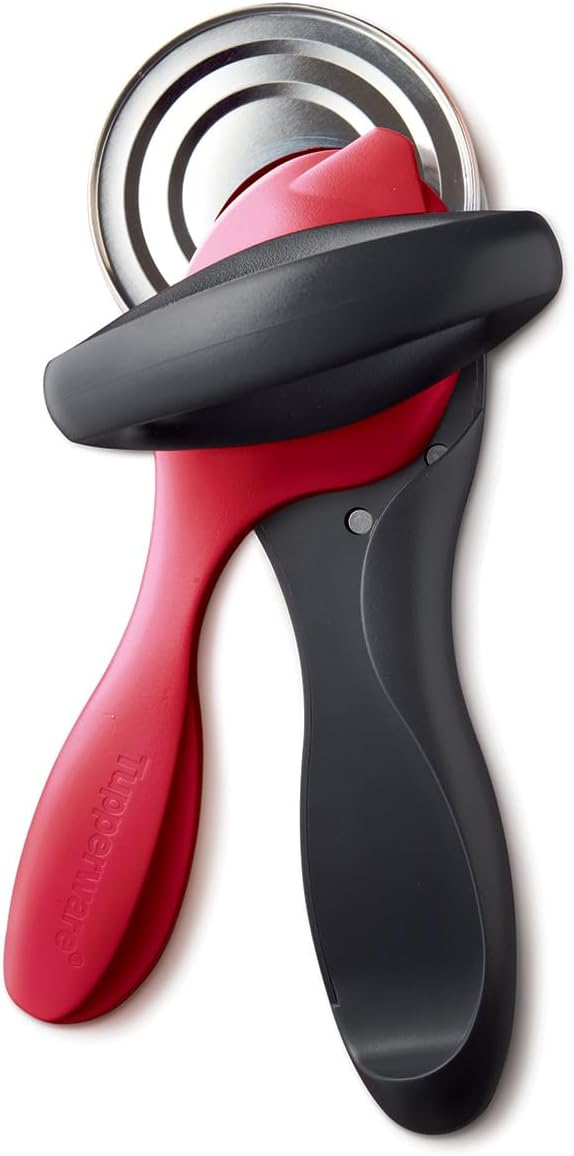
Tupperware Ergonomic Smooth Edge Can Opener
Ergonomic Hand-Wash Opener

Tupperware Ergonomic Smooth Edge Can Opener

Best for Ambidextrous smooth-edge food prep

Designed with an ergonomic shape suitable for both right-handed and left-handed users, this red and black manual opener delivers smooth-edge lid removal. Special pincers allow you to remove the lid securely without touching the metal or the food contents inside. It requires hand washing after use to maintain its large plastic-based construction and overall durability in the kitchen.

What stands out

  • Ergonomic design accommodates both right-handed and left-handed users comfortably during routine kitchen tasks.
  • Delivers smooth-edge lid removal to help prevent accidental cuts on sharp container rims.
  • Special pincers allow for removing the cut lid without touching the lid or food contents.

What to consider

  • Requires hand washing only, meaning it cannot be placed in an automatic dishwasher for effortless cleanup after meal preparation sessions.
  • Features a large plastic-based construction that prioritizes lightweight ambidextrous handling over heavy metal weight, which may affect personal feel during heavy use.
Key specifications
Material Type
Plastic
Blade Material Type
Plastic
Operation Mode
Manual
Size
Large
Item Dimensions W x H
3.3"W x 7.9"H
Color
Red and Black

The practical verdict

This opener is best for left-handed or right-handed home cooks looking for an ergonomic, smooth-edge tool with specialized pincers for touch-free lid handling. Avoid it if you strictly require a dishwasher-safe stainless steel tool for fast cleanup. The main trade-off centers on its hand-wash-only maintenance requirement and plastic-heavy construction, which support comfortable ambidextrous operation while demanding manual cleaning care instead of machine washing.

#4
OXO Good Grips Manual Can Opener
Cushioned Traditional Opener

OXO Good Grips Manual Can Opener

Best for Traditional grip-friendly can opening

Featuring large, cushioned handles designed to reduce hand strain, this traditional manual can opener provides a comfortable, non-slip grip even when wet. It includes an oversized knob that turns easily to operate the sharp stainless steel cutting wheel. A built-in bottle opener adds extra utility, making it a versatile hand-held tool for opening both food cans and bottled beverages.

What stands out

  • Large, cushioned handles take the pain out of opening cans and provide a secure non-slip grip.
  • Oversized turning knob turns easily to take the hard work out of opening cans during meal prep.
  • Includes a built-in bottle opener to handle bottle caps as well as standard food cans.

What to consider

  • Employs a traditional top-cutting wheel design rather than a side-cutting mechanism, meaning it does not leave smooth edges on the can rim.
  • Recommended for hand washing only, requiring manual cleaning rather than placing the tool inside an automatic dishwasher.
Key specifications
Material Type
Stainless Steel
Blade Material Type
Stainless Steel
Operation Mode
Manual
Size
Manual
Item Dimensions W x H
5"W x 5.91"H
Color
Black

The practical verdict

This tool is best for users with limited hand strength or arthritis who want large, cushioned handles and an oversized turning knob for comfortable traditional can opening. Avoid it if you specifically require a smooth-edge side-cutting opener to eliminate sharp edges. The main trade-off is choosing a traditional top-cut cutting wheel with a built-in bottle opener over a modern side-cut safety edge design.

#5
KitchenAid Classic Multifunction Can Opener
Multifunction Classic Tool

KitchenAid Classic Multifunction Can Opener

Best for Everyday traditional can opening

Equipped with a razor-sharp stainless steel cutting wheel, this classic manual opener pierces cans easily and slices smoothly. It features an oversized turning knob designed to offer a secure grip with minimal effort. Large ergonomic handles minimize hand strain across various container sizes, while a built-in bottle opener provides dual functionality in a single kitchen accessory.

What stands out

  • Durable, razor-sharp stainless steel cutting wheel pierces cans easily and slices smoothly for hassle-free opening.
  • Oversized, easy-to-turn knob offers a secure grip, allowing you to open cans with minimal physical effort.
  • Oversized ergonomic handles provide a comfortable and secure grip, minimizing hand strain during food preparation.

What to consider

  • Features a standard top-cutting mechanism with a razor-sharp wheel, which leaves a traditional sharp edge on the opened can rim.
  • Incorporates classic handle dimensions and a traditional cutting mechanism that requires adequate storage space in kitchen drawers alongside other utensils while leaving a standard sharp edge.
Key specifications
Material Type
Stainless Steel
Blade Material Type
Stainless Steel
Operation Mode
Manual
Size
Classic Handle
Item Dimensions W x H
3.54"W x 8.34"H
Color
Black

The practical verdict

This opener is best for home cooks who want a reliable, traditional top-cutting tool with an oversized turning knob and a built-in bottle opener. Avoid it if you prefer smooth-edge side-cutting models that prevent sharp container rims. The main trade-off involves relying on a traditional razor-sharp cutting wheel that yields standard sharp edges rather than a side-cut safety design, balancing familiar cutting performance with ergonomic handle comfort.

Buying guide

Cutting Mechanism Types

Selecting between smooth-edge side-cutters and traditional top-cutters depends on your safety priorities and handling preferences. Smooth-edge models slice along the outer rim, leaving a dull edge on both the can and the lid to prevent accidental cuts. Traditional openers pierce the top inner rim, which creates a sharper edge but offers familiar operation for many experienced home cooks. Understanding how each mechanism interacts with food containers helps determine the best fit for your kitchen routine.

Evaluating your household needs also involves considering how lids are discarded after opening. Smooth-edge variants often incorporate built-in pliers or pincers for touch-free lid removal, keeping your fingers away from metal edges and food contents entirely. Traditional models require you to lift or push the lid manually or use a magnet, making side-cutters appealing for families seeking enhanced safety during daily meal preparation tasks.

Handle Ergonomics and Grip Comfort

Hand comfort plays a vital role when choosing a manual can opener, especially for individuals who experience hand fatigue or arthritis. Look for models featuring oversized, cushioned handles that offer a secure, non-slip grip during meal prep sessions. Ergonomic contours help distribute pressure evenly across your palms, reducing strain when opening multiple cans in a single cooking session. Manufacturers design these grips to remain stable even when hands are wet.

Traditional handles often feature soft-grip rubberized coatings, while alternative designs incorporate shaped plastic housings for ambidextrous handling. Matching the handle style to your physical strength ensures comfortable everyday operation. Testing or reviewing handle dimensions can prevent hand cramping and make kitchen tasks significantly more manageable for cooks of all ages.

Turning Mechanism and Effort Levels

The turning mechanism dictates how much physical effort is required to rotate the cutting wheel around the container rim. Oversized knobs provide a larger gripping surface, allowing you to turn the mechanism smoothly with minimal wrist strain. Precision gears enhance this rotation, ensuring the wheel engages the metal consistently without slipping or jamming mid-operation.

Side-wind mechanisms operate differently from traditional top knobs, often requiring a sideways turning motion that utilizes leverage. Evaluating whether you prefer a traditional top-mounted knob or a side-wind crank can greatly influence your overall satisfaction. Choosing an opener with a well-engineered turning assembly transforms a tedious kitchen chore into a fast, effortless part of your daily routine.

Maintenance and Cleaning Requirements

Keeping your can opener clean is essential for food safety and long-term durability in the kitchen. Review whether a model is safe for automatic dishwashers or explicitly requires hand washing. Stainless steel cutting wheels on dishwasher-safe units withstand frequent cleaning cycles without rusting, while plastic-bodied or hand-wash-only openers require careful manual washing to preserve their structural integrity.

Residue from canned goods can accumulate around gears and cutting wheels over time if not washed regularly. Choosing a model that allows easy access for cleaning helps maintain smooth operation. Always follow manufacturer guidelines regarding water exposure and cleaning methods to extend the operational lifespan of your kitchen tool.

Additional Built-In Tools and Versatility

Many manual can openers include extra features designed to enhance kitchen utility and save drawer space. Built-in bottle openers let you open beverage caps effortlessly using the same handheld tool, eliminating the need for a separate gadget. Other specialized models incorporate ring-pull tools specifically engineered to pop open pull-tab cans without straining your fingernails.

Evaluating these multi-purpose additions helps determine if a streamlined tool best fits your kitchen storage space. While a simple single-purpose opener focuses entirely on cutting mechanism efficiency, combination tools offer added daily convenience for beverage and food preparation needs. Consider which auxiliary features you actually use before making a final purchasing decision for your home.

Material Quality and Build Construction

The materials used in construction significantly influence the overall durability and weight of your manual can opener. Stainless steel components offer robust strength and corrosion resistance, making them ideal for heavy-duty daily use across various canned goods. Plastic-housed models reduce overall tool weight and allow for ergonomic molded shapes, though they may feel less rigid than all-metal counterparts during demanding kitchen tasks.

Blade material is equally important; hardened stainless steel cutting wheels maintain their sharpness longer and slice cleanly through tough container rims. Assessing the balance between metal durability and ergonomic comfort ensures you invest in a reliable kitchen companion that withstands years of regular food preparation without mechanical failure.

Frequently asked questions

How does a smooth-edge can opener work differently from a traditional opener?

A smooth-edge can opener cuts along the side of the can rather than piercing the top inner rim. This side-cutting action separates the lid from the outer bead of the container, leaving a dull, smooth edge on both the remaining can and the removed lid. Traditional openers use a sharp wheel to puncture the top lid surface, creating a sharp interior rim. Side-cut models require a different turning orientation, often using a side-wind knob or integrated pliers to lift the lid safely without touching food contents.

Are smooth-edge can openers difficult to operate for beginners?

Operating a smooth-edge can opener requires a brief adjustment period if you are accustomed to traditional top-cutting models. You must align the cutting wheel precisely along the outer rim of the can for the mechanism to engage correctly. Once positioned, turning the oversized knob or side-wind crank operates smoothly. Many models include built-in pliers or pincers to remove the lid afterward, adding an extra step of touch-free handling that quickly becomes second nature with regular use in your kitchen.

Can manual can openers be washed safely in a dishwasher?

Dishwasher safety depends entirely on the specific materials and manufacturer guidelines for each manual can opener model. Stainless steel units with hardened cutting wheels are often rated as dishwasher safe for convenient cleaning. However, many models featuring plastic housings, specialized gears, or painted finishes explicitly recommend hand washing only to prevent discoloration or mechanical wear. Always check the manufacturer specifications before placing any kitchen tool into an automatic dishwasher to ensure proper maintenance and longevity.

Why do some can openers include built-in bottle openers and ring-pull tools?

Multi-purpose manual can openers integrate additional features like bottle openers and ring-pull tools to maximize kitchen utility and reduce clutter in utensil drawers. A built-in bottle opener allows you to pop open beverage caps using the same handheld device, saving space and eliminating the need for a separate gadget. Similarly, integrated ring-pull tools provide a safe leverage point to lift stubborn pull-tab lids on soup or broth cans without straining your fingers or breaking your nails during meal preparation.

How do I choose the best handle design for weak grip strength?

If you experience limited hand strength or arthritis, look for manual can openers featuring oversized, cushioned handles with non-slip grips. These thick handles distribute pressure evenly across your palm, reducing the physical strain required to squeeze the tool securely. Additionally, pairing cushioned handles with an oversized turning knob or a smooth side-wind mechanism significantly decreases the wrist effort needed to rotate the cutting wheel, making daily kitchen food preparation much more comfortable and accessible.

Final thoughts

Selecting the right manual can opener depends on carefully balancing your preferences for cutting mechanisms, handle ergonomics, and maintenance requirements. Whether you choose a modern smooth-edge side-cutter for enhanced safety or a traditional top-cutting wheel with cushioned handles, finding a dependable tool transforms daily meal preparation routines into an effortless experience.

Evaluating additional factors like built-in bottle openers, dishwasher compatibility, and turning knob size ensures your chosen kitchen accessory meets your everyday household demands. Reviewing these practical product details helps you invest in a reliable opener that delivers consistent performance and comfortable handling for years to come.