Appliances · Buying Guide
Best Potato Mashers And Ricers For Smooth Textures
Finding the right tool to process cooked vegetables into smooth, creamy side dishes can completely transform your everyday cooking routines. When preparing large family meals or holiday feasts, having a reliable pressing device helps eliminate unwanted lumps and uneven textures without requiring excessive hand strength or awkward wrist movements during busy kitchen tasks.
Different kitchen layouts and cooking styles call for distinct mechanical designs, ranging from traditional manual presses to innovative twisting mechanisms and sturdy solid bars. Exploring the available options ensures you select a dependable device that fits comfortably in your hands, handles your favorite ingredients efficiently, and matches your daily food preparation habits over years of use.
As an Amazon Associate, StacyLaughs earns from qualifying purchases.
Buying guide
Material Durability and Construction Quality
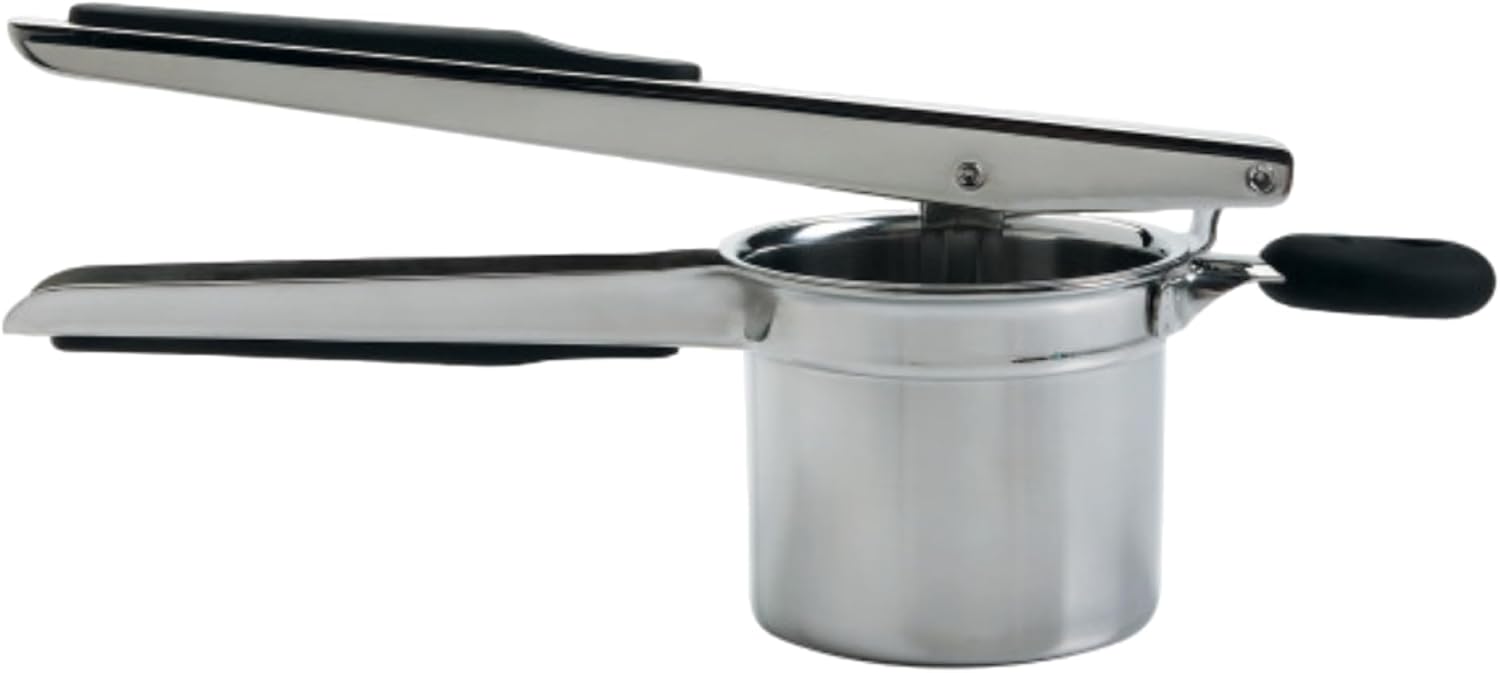
Selecting a potato ricer or masher begins with examining the primary construction materials used throughout the frame and pressing components. Stainless steel models offer exceptional resistance to rust, corrosion, and daily wear from moisture exposure during heavy cooking tasks. Choosing solid, seamless builds minimizes structural weak points where stress might otherwise cause bending during frequent meal preparation sessions.
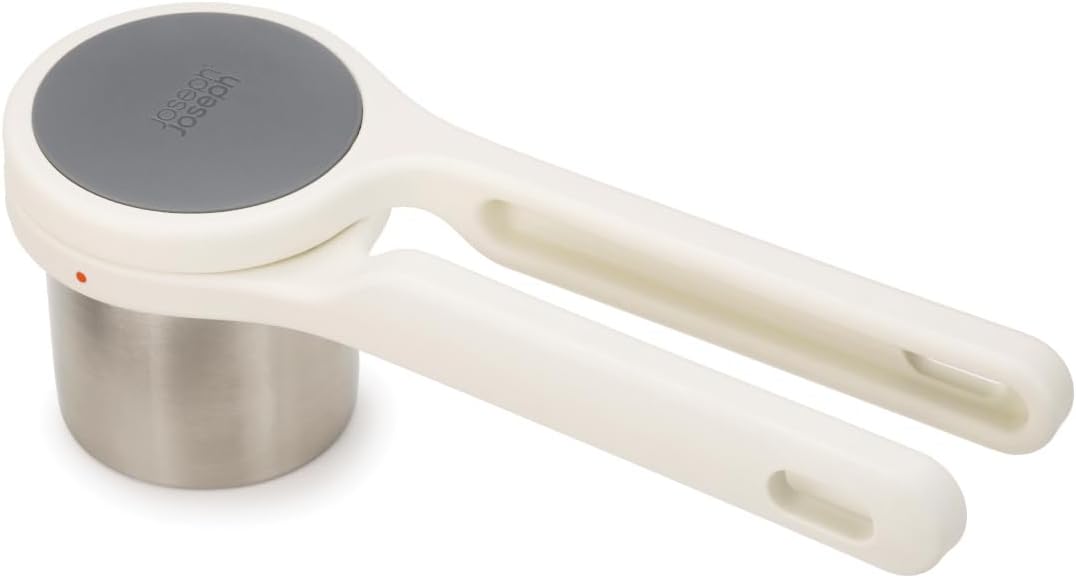
Some designs incorporate food-safe nylon or silicone accents to enhance grip comfort or form specialized mechanical joints. Reviewing these material combinations ensures your chosen tool withstands frequent exposure to starchy foods, natural acids, and hot water without degrading over time. Prioritizing robust construction guarantees dependable long-term reliability in busy home kitchens while maintaining food safety standards.
Mechanism Types and Leverage Design
The mechanical design of a pressing tool dictates how much physical effort is required to process cooked vegetables into smooth purees. Traditional vertical handles rely on direct manual squeezing force, whereas specialized dual-gear assemblies multiply your hand leverage to increase pressing power significantly. Evaluating these internal mechanisms helps you match the tool to your personal strength and comfort preferences.
Alternative twisting actions shift the primary motion from a vertical squeeze to a horizontal rotation, altering wrist engagement entirely. Each mechanical style offers distinct advantages depending on whether you are processing dense root vegetables or soft fruits. Understanding these operational differences ensures you select a device that minimizes arm fatigue during extensive cooking sessions.
Basket Capacity and Output Volume
Hopper size directly influences how many batches you must complete when preparing large meals for family gatherings or holiday dinners. Large-capacity baskets hold substantial portions of cooked potatoes or vegetables at once, reducing the total time spent reloading ingredients. Smaller hoppers require more frequent refilling but often result in a lighter, more compact tool overall.
Assessing your typical cooking volume helps determine the ideal basket dimensions for your kitchen habits. If you regularly mash large quantities of root vegetables, a deep stainless steel hopper provides practical efficiency. Conversely, occasional users preparing smaller portions may prefer compact baskets that require less counter and storage space during food preparation.
Cleanup and Dishwasher Compatibility
Maintenance ease is a critical factor when choosing kitchen gadgets designed to process sticky starchy foods like cooked potatoes and squash. Models featuring removable baskets or seamless one-piece construction simplify the process of rinsing away food residue under running water. Many stainless steel and nylon devices are rated top-rack dishwasher safe, allowing for convenient sanitization.
Reviewing manufacturer cleaning instructions ensures your utensil remains hygienic and free from trapped food particles over years of use. Devices with complex gear housings or multiple detachable components may require extra attention during manual washing to clear tight crevices. Selecting an easily washable tool saves valuable time after every meal preparation session.
Ergonomics and Handle Comfort
Handle design plays a vital role in reducing hand strain, wrist fatigue, and discomfort during extended food preparation tasks. Soft silicone grips, cushioned coatings, and ergonomic contours distribute pressure evenly across your fingers when applying downward force. Long handle extensions provide natural mechanical leverage, making the pressing action feel smoother and much less taxing on joints.
Testing or inspecting the grip geometry helps ensure the tool rests comfortably in your hands regardless of batch size. Non-slip materials prevent fingers from sliding when dealing with moisture or food residue on the countertop. Prioritizing thoughtful handle ergonomics transforms difficult mashing chores into a comfortable, manageable part of your everyday cooking routine.
Storage Footprint and Kitchen Fit
Physical dimensions and overall tool length dictate where and how easily you can store your pressing device between uses. Compact single-piece mashers slide effortlessly into standard kitchen drawers alongside everyday cutlery, while extended ricer frames demand taller cabinet clearance. Evaluating your available storage space prevents kitchen clutter and keeps your preferred tools readily accessible.
Specialized features like resting knobs or dual-gear housings add bulk to the overall profile, influencing how the device fits into crowded utensil organizers. Matching the physical footprint of the tool to your kitchen storage capacity ensures seamless integration into your culinary workspace. Practical organization keeps countertops clear and favorite gadgets within arm reach.
Frequently asked questions
Can potato ricers be used for vegetables other than potatoes?
Yes, potato ricers are versatile kitchen tools suitable for processing a wide variety of cooked and soft vegetables beyond standard potatoes. You can use them to rice steamed carrots, turnips, yams, cauliflower, and sweet potatoes to achieve smooth, lump-free textures. Additionally, parents frequently use these presses to mash soft fruits like bananas and cooked apples for homemade baby food. The fine perforations help aerate and puree fibrous produce efficiently, though extremely hard or raw vegetables should always be thoroughly cooked and softened before pressing.
How do I clean a potato ricer or masher properly?
Cleaning a potato ricer or masher depends on its specific construction, but most stainless steel models are rated top-rack dishwasher safe for convenient sanitization. For quick daily care, rinsing the basket and pressing plate immediately under running water prevents starchy residue from drying and hardening in the small holes. Models with removable baskets allow you to lift the hopper out completely, providing unhindered access for thorough scrubbing. Always check manufacturer guidelines regarding detachable parts or mixed materials to maintain long-term product durability.
What is the benefit of a dual-gear mechanism on a ricer?
A dual-gear mechanism multiplies your hand leverage, delivering significantly more pressing power than conventional single-joint ricers with minimal physical effort. This mechanical advantage is particularly helpful when processing large batches of dense root vegetables or stiff starches, as it reduces strain on your hands, wrists, and arms. By increasing the force applied to the food inside the basket, the dual-gear system helps push cooked spuds smoothly through fine perforations, resulting in light, cloud-like textures without requiring excessive physical exertion during holiday meal preparations.
Are seamless one-piece mashers better than jointed models?
Seamless one-piece mashers eliminate joints, welds, and detachable parts, creating a sturdy tool with fewer structural weak points for heavy everyday use. Without crevices or connection joints, food residue cannot get trapped during mashing tasks, which simplifies manual cleaning and overall maintenance. However, traditional flat plate mashers operate differently than enclosed ricer baskets, offering a more rustic texture rather than ultra-smooth extruded purees. Your choice depends entirely on whether you prefer robust traditional mashing simplicity or specialized ricing performance.
Why do some potato ricers feature a bowl rest knob?
A bowl rest knob is designed to anchor the ricer securely over the rim of mixing bowls, pots, or deep containers while you press food. This stabilizing feature prevents the tool from slipping or sliding sideways when you apply downward force on the handles, allowing for steadier, safer operation. It keeps your hands free to focus entirely on squeezing the handles rather than struggling to balance the hopper over your cookware. However, you should check your cookware rim dimensions to ensure a stable fit.