Appliances · Buying Guide
Best Potato Slicer For Fried Potatoes: Choosing The Right Tool
Making homemade fried potatoes starts with consistent cuts that cook evenly in hot oil or the air fryer. Whether you prefer thin shoestring chips, wavy crisps, or thick steak fries, having a dedicated potato slicer simplifies preparation and removes the tedious knife work required for large family batches or casual weeknight dinners.
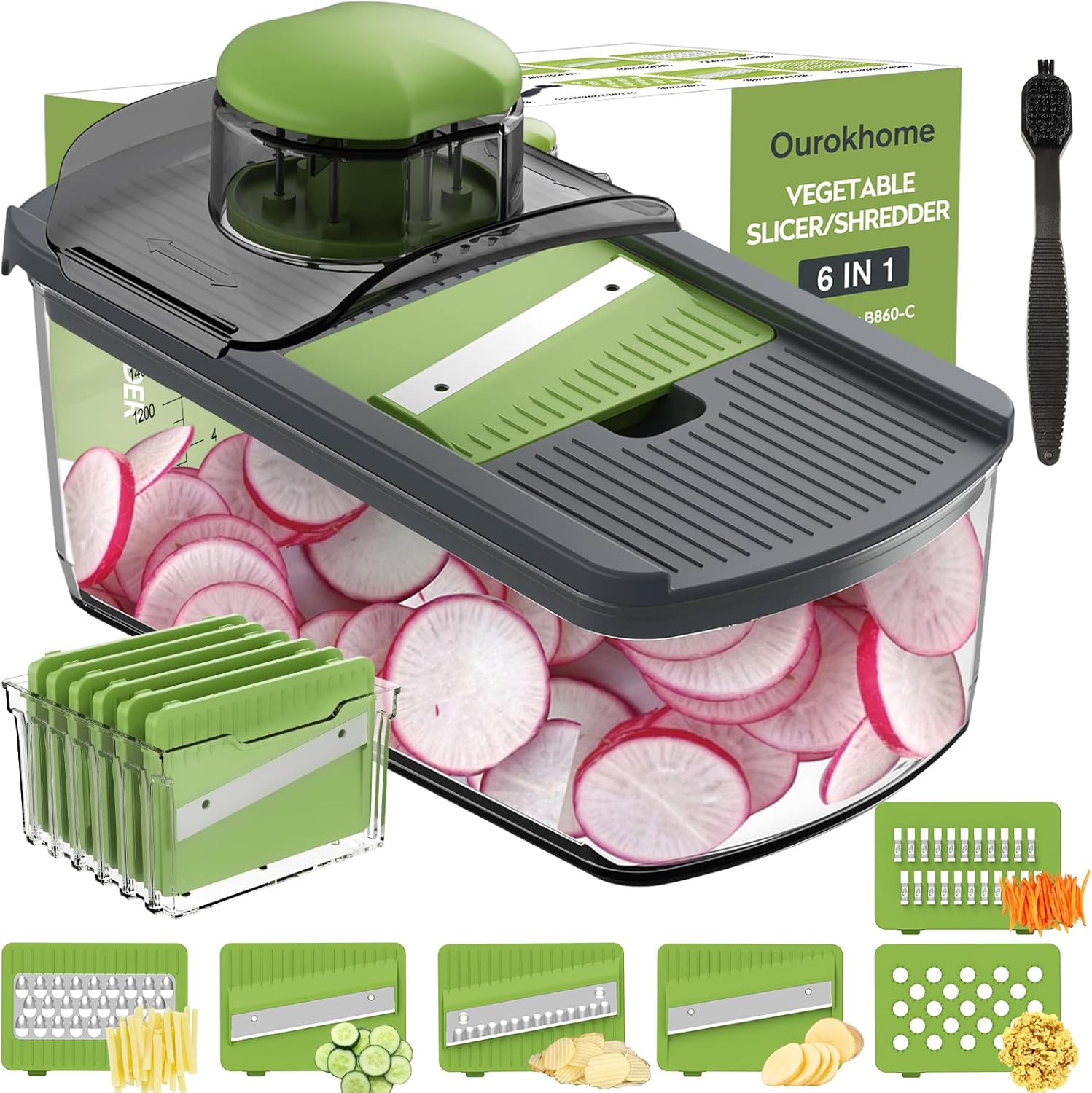
Different slicer designs offer varying preparation methods, ranging from leveraged metal press cutters to adjustable mandolines featuring enclosed, hidden blades. Evaluating your available kitchen counter space, preferred fry style, and physical comfort helps you select a tool that matches your daily routine without adding unnecessary setup complexity, storage challenges, or excessive cleaning burdens.
As an Amazon Associate, StacyLaughs earns from qualifying purchases.
Buying guide
Evaluating Blade Materials And Longevity
The cutting edge determines how cleanly a potato slicer glides through dense starches. Stainless steel grades vary, with specialized formulations offering better resistance to dulling and rust over years of regular use. Selecting a model with high-grade metal blades ensures consistent performance when processing large batches of potatoes for family meals or weekend gatherings without tearing the vegetable flesh.
While plastic structural components reduce overall weight, the blade assembly bears the primary mechanical stress during operation. Models featuring embedded professional-grade steel cylinders or heavy-duty cutting grids maintain their sharpness through repeated friction against firm produce. Inspecting these material specifications helps you choose a tool capable of withstanding frequent vegetable prep without requiring premature blade maintenance.
Understanding Thickness Control Mechanisms
Achieving the ideal fry texture depends entirely on how easily you can adjust slice dimensions. Some slicers rely on a built-in rotating dial that shifts the cutting platform seamlessly from paper-thin chips to thick fry cuts. This integrated approach eliminates the need to handle loose metal plates or store extra accessories separately in crowded kitchen cabinets.
Other designs utilize interchangeable blade inserts or fixed-grid presses to produce specific shapes like standard steak fries or fine julienne strips. While swapping plates expands your preparation options, it requires dedicated storage space and careful handling during cleanup. Matching the thickness control style to your preferred fry type ensures efficient and frustration-free meal preparation sessions.
Assessing Countertop Footprint And Storage
Kitchen appliance space availability plays a major role in determining which potato slicer fits your home environment. Folding models and compact units collapse easily to slide into standard drawers or narrow cabinet gaps between uses. These thoughtful space-saving designs suit smaller kitchens with limited counter space where permanent appliance placement is simply impractical.
Larger commercial-grade presses and enclosed hopper slicers require more permanent storage room in your pantry but offer exceptional stability during active operation. A broader base prevents wobbling when applying downward force on firm raw potatoes. Balancing your available storage capacity against your daily need for structural stability prevents post-purchase placement regrets and ensures easy accessibility.
Comparing Press Levers Versus Sliding Tracks
The physical motion required to slice potatoes varies significantly across different product designs. Lever-operated presses use mechanical advantage to push whole potatoes through a grid in a single downward stroke, minimizing manual strain for users with hand or joint discomfort. This direct motion is highly efficient for making uniform fry sticks.
Sliding track mandolines require you to guide produce back and forth across an exposed or hidden blade surface. Enclosed chute designs keep fingers safely away from the cutting edge by using a push handle, whereas traditional flat mandolines rely on protective hand guards or cut-resistant gloves. Choosing the right motion depends on your physical comfort and safety preferences.
Safety Features And Protective Accessories
Handling razor-sharp kitchen blades requires careful consideration of built-in safety mechanisms. Enclosed mandoline slicers feature hidden blades and mechanical push chutes that isolate your fingers from the cutting zone entirely during food preparation. This thoughtful design eliminates the necessity for wearing separate protective gloves while operating the machine for quick meals.
Traditional flat mandolines provide external blade surfaces, necessitating the use of included cut-resistant gloves, removable blade guards, and hand guards to prevent accidental contact during use. Evaluating how a slicer protects your hands provides valuable peace of mind, especially when processing large quantities of slippery root vegetables at high operating speeds.
Maintenance And Cleaning Requirements
Starchy vegetable residue can dry quickly on metal blades and plastic housing, making regular cleanup an essential maintenance factor for kitchen tools. Many modern slicers feature dishwasher-safe construction or detachable parts that simplify rinsing under running tap water immediately after cooking. Reviewing manufacturer cleaning instructions ensures you can maintain proper hygiene without excessive scrubbing sessions.
Specialized cleaning brushes are frequently included to clear trapped debris from tight corners, folding joints, and intricate blade tracks. Enclosed mechanical housings require thorough brushing to prevent stubborn starch buildup around internal moving parts over time. Selecting a model with easily accessible cleaning pathways saves valuable time after every single potato-prepping session in your kitchen.
Frequently asked questions
Do I need to peel potatoes before using a mandoline or fry cutter?
Peeling potatoes is generally optional and depends entirely on your personal texture preferences for homemade fried potatoes. Many cooks prefer leaving the skins on for added rustic flavor and crispness, provided the potatoes are thoroughly washed and scrubbed clean of dirt before slicing. However, certain lever-press cutters work even more smoothly when the tough outer skin is removed, as it reduces the initial downward resistance against the metal grid. If you use an adjustable mandoline slicer, potato skins slice easily alongside the flesh without requiring prior peeling.
How do I prevent sweet potatoes from jamming the slicer blade?
Sweet potatoes are notably denser and harder than standard russet potatoes, which can cause them to jam or resist standard cutting mechanisms. To prevent binding or bending blades, many manufacturers recommend microwaving sweet potatoes for one to three minutes prior to slicing or pressing. This brief heating process softens the interior flesh slightly without cooking it fully, allowing blades or metal press grids to pass through smoothly. Always adjust microwave times based on the physical size of the sweet potato.
Are potato slicers safe to clean in a household dishwasher?
Dishwasher safety varies by manufacturer design and material construction. Several models feature top-rack dishwasher-safe components, while others recommend hand washing specific parts like removable blades or delicate plastic housings to preserve their longevity. Always consult the specific product care instructions provided by the manufacturer before placing any slicer parts into a dishwasher. Hand washing with warm soapy water and the included cleaning brush is often the safest method to protect sharp edges and prevent warping.
What is the difference between a mandoline slicer and a french fry press?
A mandoline slicer utilizes a sliding track and adjustable blade or interchangeable inserts to slice vegetables into flat sheets, wavy chips, or thin matchsticks depending on the chosen setting. In contrast, a french fry press uses a mechanical lever to push a whole potato through a fixed metal grid in a single downward motion, producing uniform square-shaped fry sticks. Mandolines offer greater versatility for various vegetables, while fry presses specialize in traditional thick-cut steak fries with minimal effort.
How do I remove sticky starch buildup from enclosed slicer housings?
Starchy residue from potatoes can accumulate quickly around folding joints and enclosed pusher housings during high-volume meal preparation. To clean these areas effectively, disassemble any removable parts and rinse them under warm running water as soon as possible after use. Use the specialized cleaning brush provided with the appliance to dislodge trapped particles from tight corners and blade edges. Avoid using abrasive scouring pads that could scratch plastic components or dull precision stainless steel cutting blades.