Appliances · Buying Guide
Best Quality Can Opener Choices for Smooth and Safe Food Prep
Finding the right kitchen tool for opening cans transforms daily meal preparation, reducing hand strain and keeping your workspace clean. Selecting a reliable manual device depends heavily on your specific cooking habits, hand strength, and the types of cans you handle most frequently in your kitchen. Exploring different mechanical designs helps identify which configuration matches your everyday culinary needs and workspace requirements.
Evaluating various market options requires looking closely at cutting mechanisms, handle ergonomics, and extra built-in functions like integrated bottle openers or magnetic lifters. This comprehensive overview explores several distinct manual openers designed to handle standard and oversized containers with varying degrees of leverage, specialized utility, and durable construction materials. Making an informed choice ensures long-term satisfaction and reliable kitchen performance.
As an Amazon Associate, StacyLaughs earns from qualifying purchases.
Buying guide
Understanding Cutting Mechanisms
Selecting the right cutting mechanism dictates how your containers open and affects overall kitchen safety during daily meal preparation. Traditional cutting wheels slice directly into the top inner rim, creating a dependable puncture for standard soup, fruit, and vegetable cans. This classic method has remained popular because it offers immediate engagement and straightforward piercing across diverse metal thicknesses without requiring specialized alignment techniques.
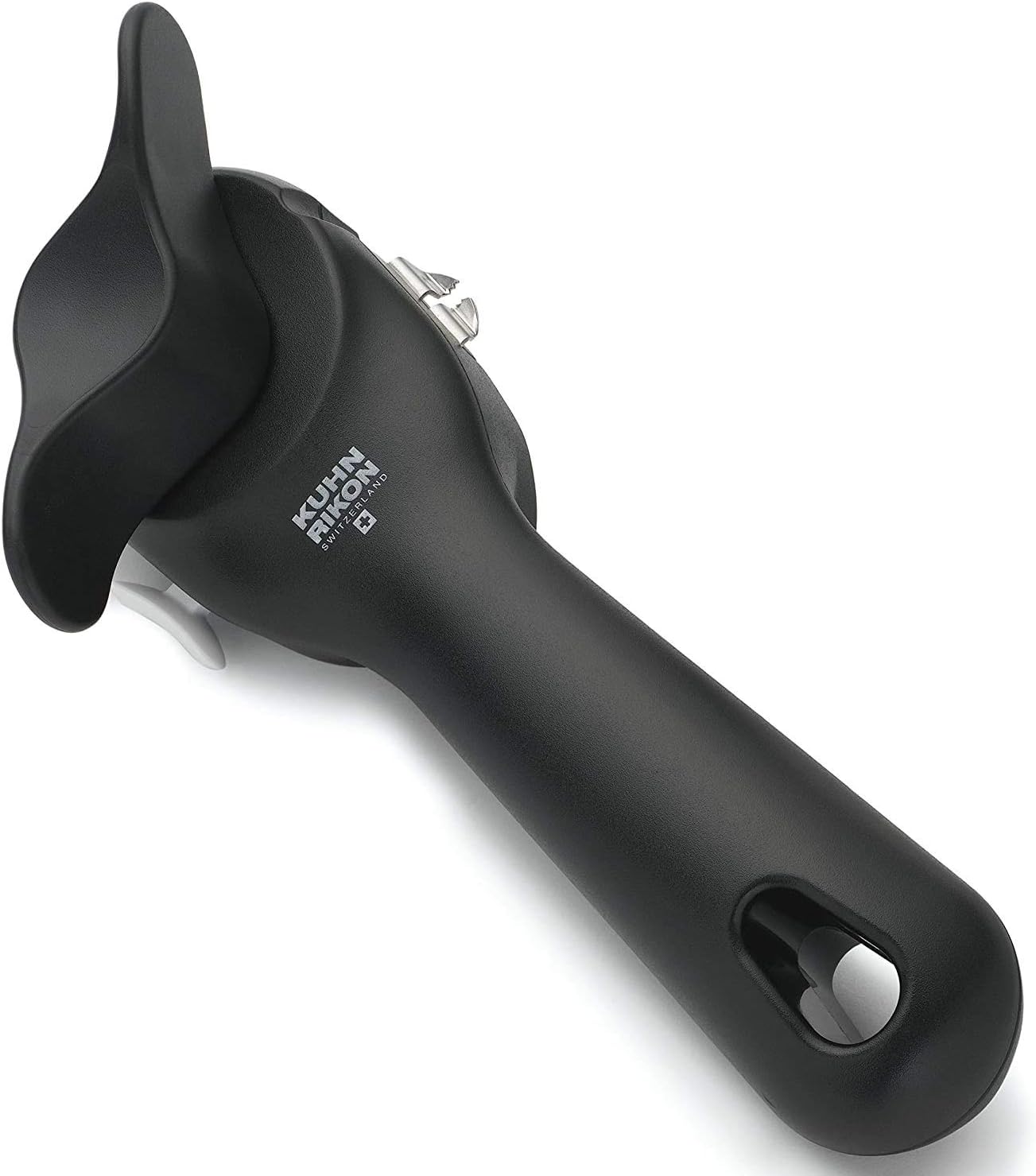
Conversely, advanced side-cut mechanisms shear along the outer perimeter of the container, leaving completely smooth edges on both the remaining metal rim and the lifted lid. This innovative design minimizes accidental cuts during food handling, making it a preferred choice for safety-conscious home cooks. Evaluating your preference for traditional rim punctures versus smooth-edge safety defines your primary operational experience.
Evaluating Handle Comfort and Leverage
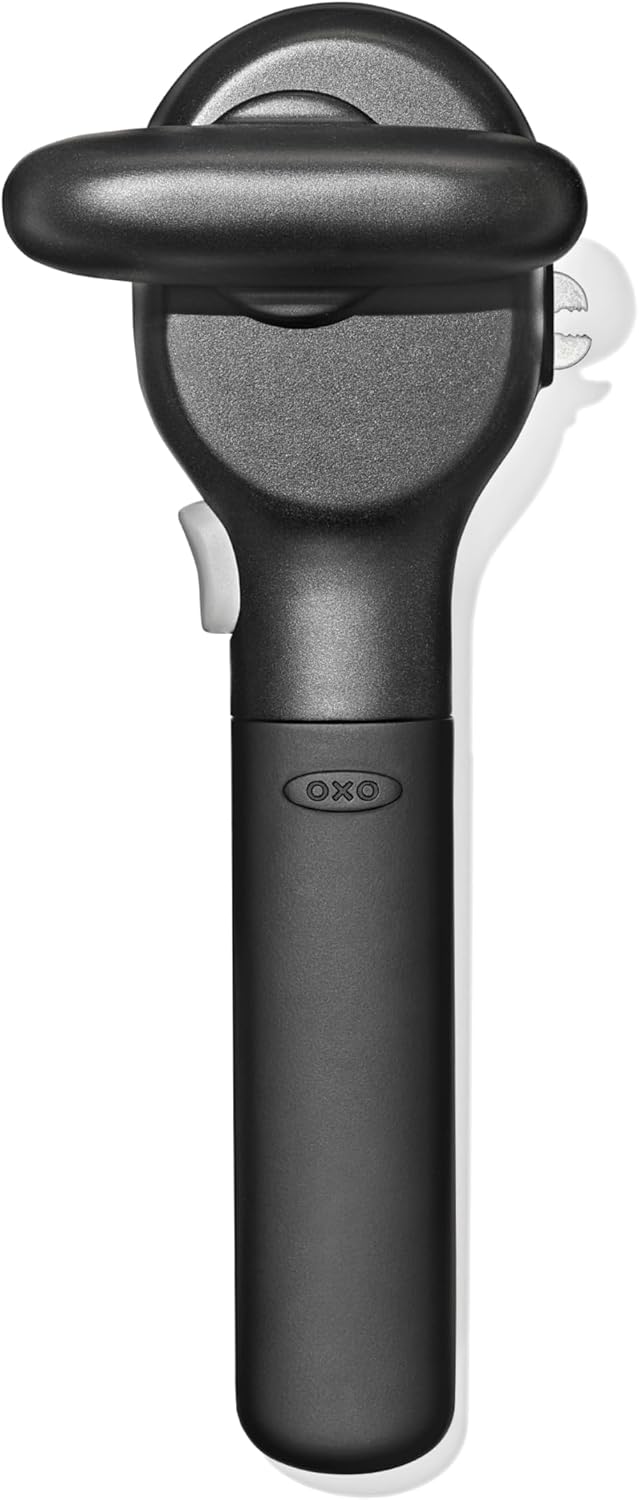
Hand strength and grip comfort play a vital role when choosing a manual tool for opening food containers regularly. Models featuring oversized turning knobs and soft-touch ergonomic handles significantly reduce hand strain during operation. This mechanical advantage allows users with limited hand strength to rotate the mechanism smoothly and maintain firm control throughout the entire opening process without experiencing discomfort or muscle fatigue.
Longer handles and specialized crank designs also increase available leverage, which proves especially beneficial when tackling large institutional cans or stubborn metal rims. Smaller handheld units offer compact storage in kitchen drawers but may require more direct hand pressure. Balancing handle dimensions with your personal grip strength ensures you select a model that supports comfortable, strain-free daily food preparation routines in your home.
Material Composition and Durability Factors
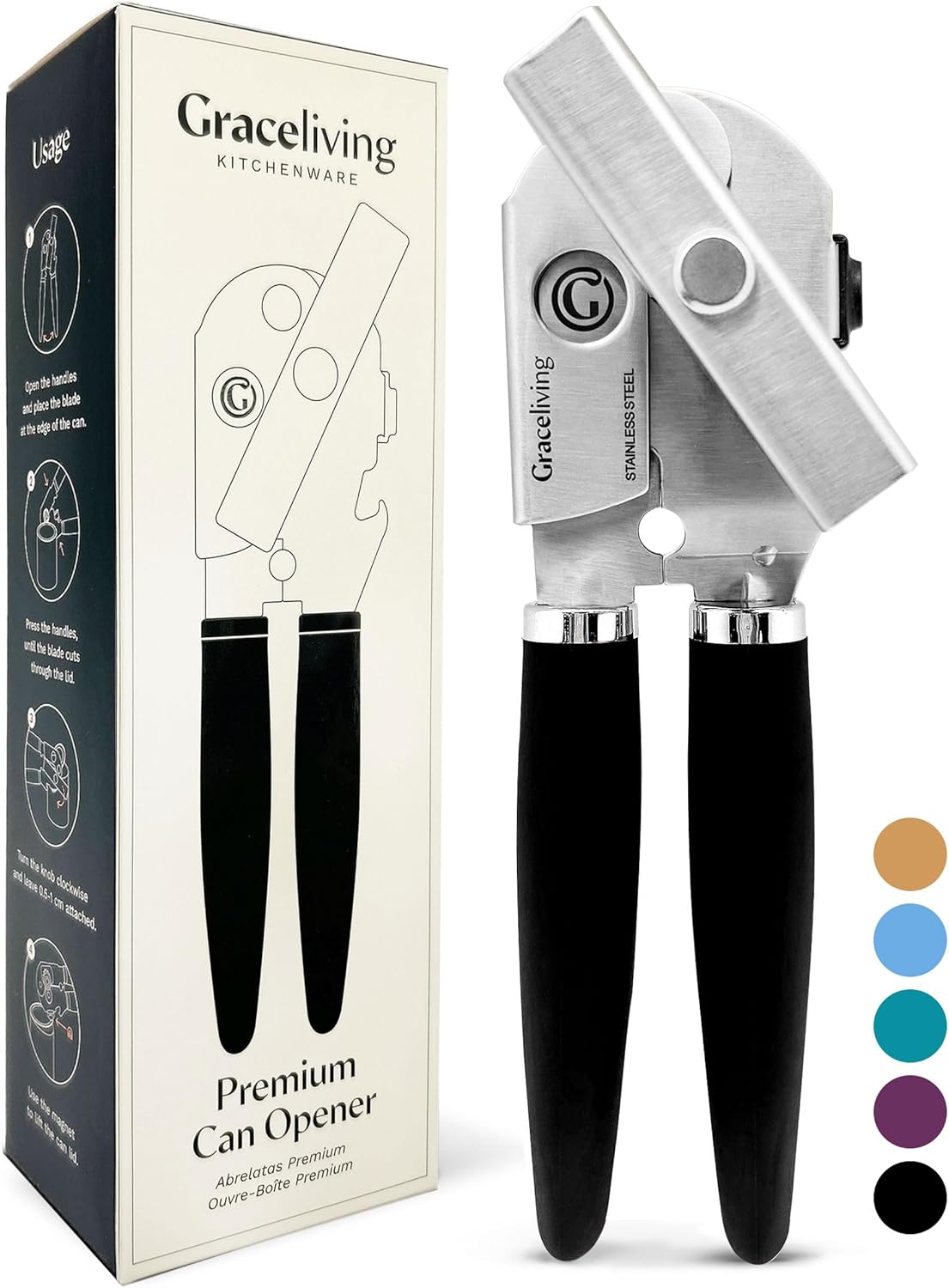
The construction materials used in a kitchen tool directly influence its long-term durability and resistance to everyday wear. Stainless steel components offer robust strength and rust resistance, ensuring the device maintains structural integrity over years of regular use. Reinforced metal frames and hardened high-carbon steel cutting wheels provide the necessary rigidity to process hundreds of containers without losing cutting efficiency.
While plastic housings can reduce overall device weight and offer ergonomic molding options, all-steel constructions generally deliver superior longevity in demanding environments. Reviewing the primary material specifications helps identify tools built for extended service life. Selecting a durable model minimizes the need for frequent replacements, making it a reliable addition to your kitchen gadget collection over time.
Hygiene and Touch-Free Lid Removal
Maintaining kitchen hygiene is an important consideration when selecting a tool that comes into direct contact with canned food contents. Advanced designs often incorporate built-in magnetic lifters or specialized gripping pliers that secure the metal lid immediately after cutting. This prevents the sharp lid from falling back into the food or requiring direct touch from your fingers during disposal.
Touch-free lid removal mechanisms enhance food safety by keeping hands away from potentially contaminated container rims and sharp metal edges. Models featuring these integrated magnets or pliers streamline the cleanup process significantly. Evaluating how a device handles the severed lid helps ensure a cleaner, more hygienic meal preparation experience every time you open canned goods.
Multifunctional Features and Built-In Tools
Modern kitchen tools frequently combine multiple functions into a single device to maximize counter space and drawer efficiency. Many manual options include built-in bottle openers or specialized hooks designed to pop open beverage caps quickly. Some specialized models even feature integrated ring-pull tools that safely lift pull-tab lids without hurting fingers or straining your hands during meal prep.
Choosing a versatile multi-tool reduces the number of separate gadgets cluttering your kitchen drawers while providing extra convenience for everyday tasks. Whether you need to open glass beverage bottles or modern ring-pull soup cans, these supplementary features add practical value. Assessing which extra tools align with your daily routine ensures you select a multifunctional accessory that truly serves your household.
Maintenance and Cleaning Requirements
Proper maintenance and cleaning routines are essential for preserving the performance and longevity of your kitchen tool. Many stainless steel manual openers require hand washing followed by thorough drying to prevent moisture accumulation and maintain cutting edge sharpness. Manufacturer instructions often advise against soaking these precision components in water to protect internal gears and finishes.
Alternatively, certain models feature dishwasher-safe construction, allowing for effortless cleanup routines after heavy meal preparation sessions. Reviewing manufacturer care guidelines ensures you follow the recommended cleaning practices for your specific device. Adopting proper maintenance habits prevents premature wear, keeping the cutting wheel and moving parts functioning smoothly throughout years of dependable kitchen service.
Frequently asked questions
How do I maintain a stainless steel manual opener to ensure lasting sharpness?
Maintaining a stainless steel manual opener requires following specific manufacturer cleaning guidelines, such as hand washing the device and drying it thoroughly immediately after use. Avoid soaking the tool in water, as trapped moisture can compromise precision gears and blade integrity. Periodically checking the alignment of the cutting wheel ensures smooth rotation, while proper cleaning prevents food residue buildup that can dull the razor-sharp edge over extended periods of kitchen food preparation.
What is the main difference between traditional rim-cutting and side-cut safety openers?
The primary difference lies in where the cutting wheel engages the container and the resulting edge texture. Traditional models puncture and slice along the top inner rim, which is a familiar and reliable method for standard cans. In contrast, side-cut safety openers shear along the outer perimeter, leaving completely smooth edges on both the container rim and the detached lid. This side-cutting approach significantly reduces accidental cuts, offering a safer handling experience during food disposal.
Are heavy-duty hand crank models suitable for opening small specialty cans like tuna?
Heavy-duty commercial hand crank models are specifically engineered and customized for processing large institutional containers, such as large #10 cans. Manufacturers often explicitly advise against using these oversized commercial crank systems for small specialty canned goods like tuna or compact vegetable tins. Smaller handheld openers or compact manual models provide better control and appropriate sizing for smaller containers without risking improper engagement or awkward handling during meal preparation.
Why do some manual openers include built-in magnets or pliers?
Built-in magnets and pliers serve a critical role in promoting touch-free, hygienic lid removal during food preparation. A magnetic lifter secures the severed metal lid automatically, keeping it away from your hands, countertops, and food contents. Similarly, integrated pliers allow for contact-free disposal of sharp edges without requiring you to touch the metal directly. These thoughtful design features minimize contamination risks and streamline kitchen cleanup routines by handling messy lids safely.
Can all manual kitchen openers be safely cleaned in a dishwasher?
Not all manual openers feature dishwasher-safe construction, making it vital to check specific manufacturer guidelines before cleaning. While certain models utilize dishwasher-safe stainless steel materials for straightforward cleanup, others require hand washing and immediate manual drying to protect precision gears and prevent rust. Following official care instructions ensures that delicate components, turning knobs, and cutting wheels remain undamaged and fully operational throughout years of regular household use.