Appliances · Buying Guide
Best Rachael Ray Oil Dispenser Options for Everyday Kitchen Pouring
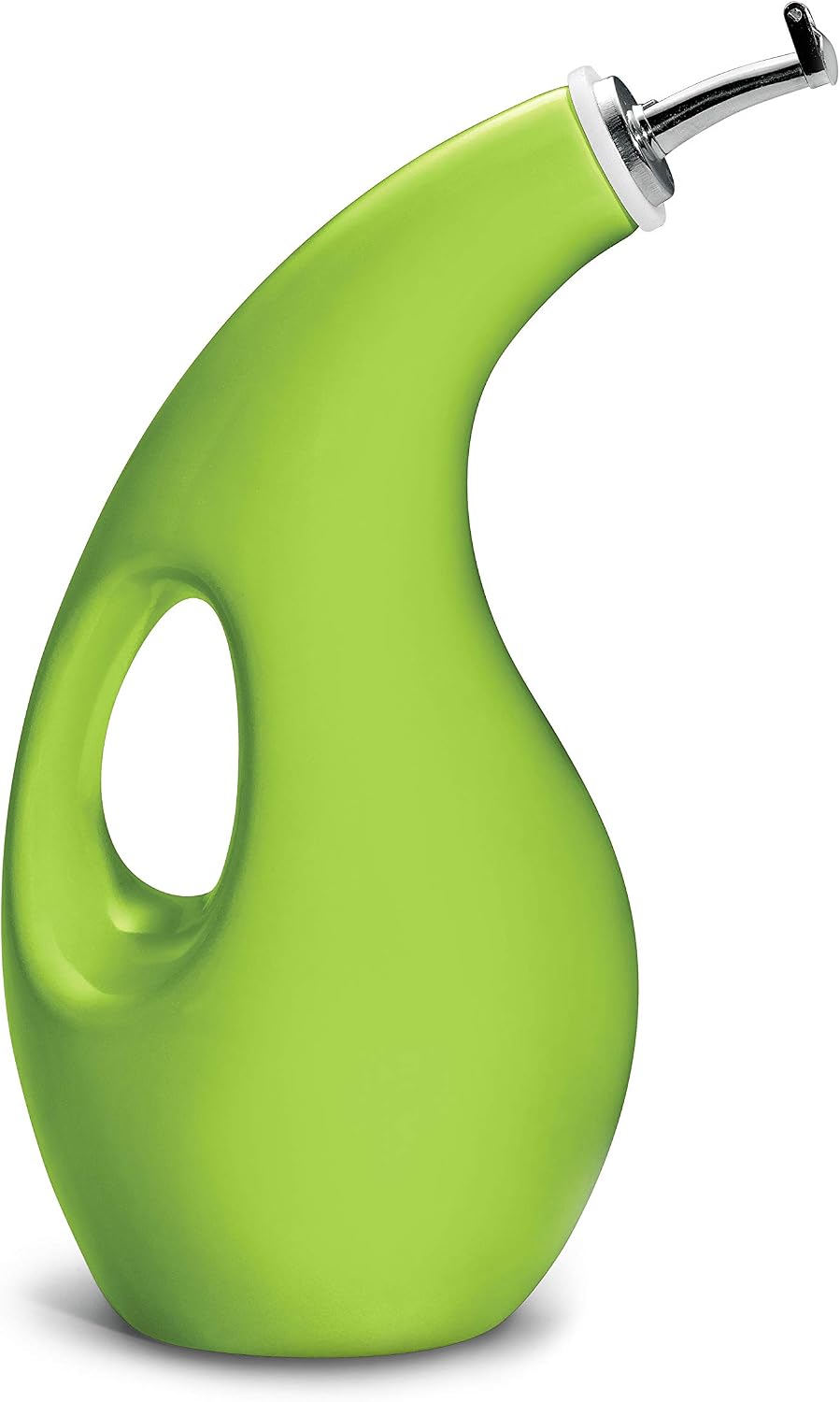
Outfitting a kitchen with reliable containers for olive oil and vinegar helps keep everyday cooking liquids close at hand while protecting them from light exposure. Rachael Ray ceramic and stoneware dispensers provide a functional countertop storage solution designed for home cooks. These vessels combine integrated handles with specialized spouts to make drizzling dressings and dispensing cooking oils straightforward.
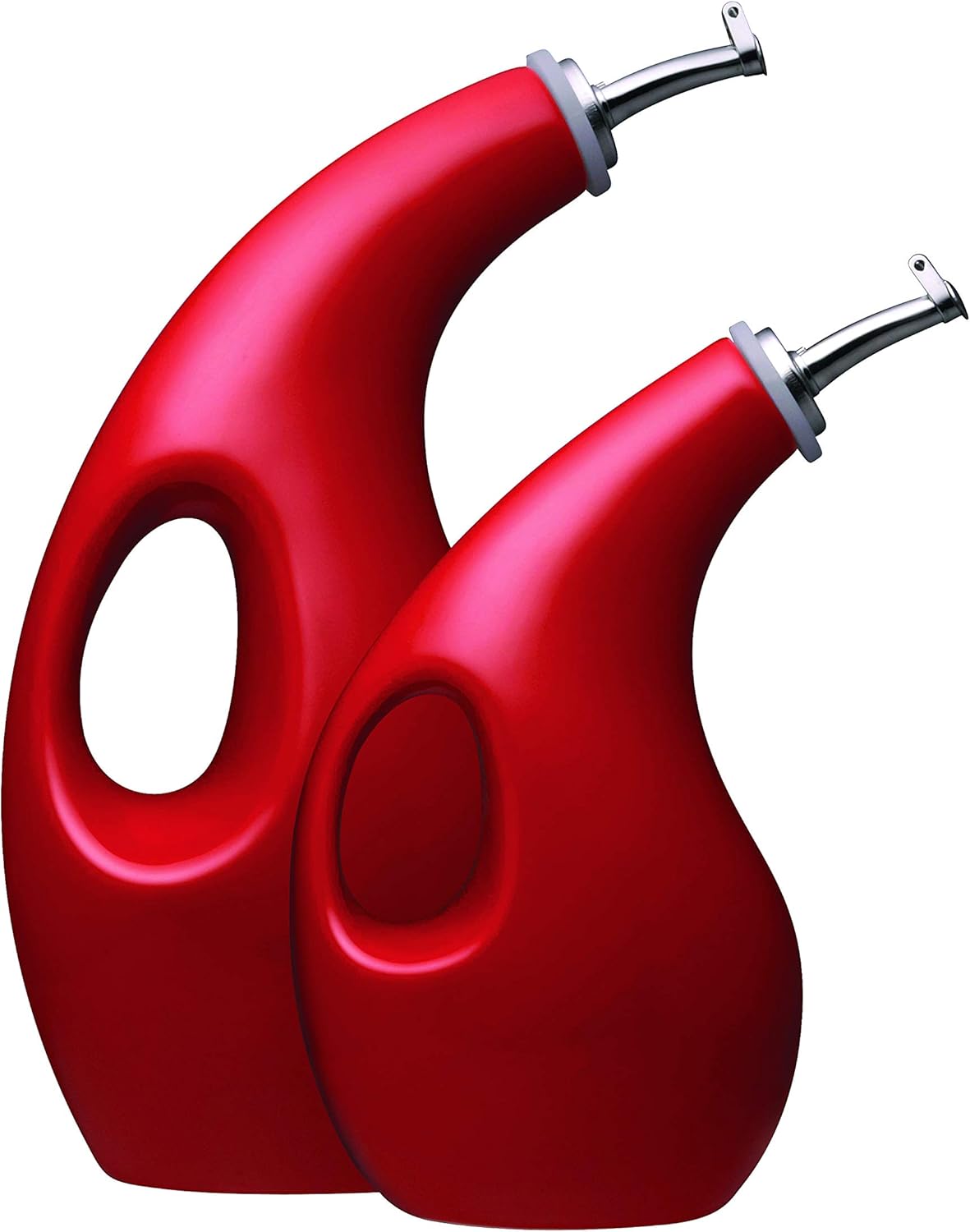
Choosing the right dispenser depends on your kitchen layout, countertop space, and color preferences. Options range from single twenty-four-ounce vessels in bold finishes to multi-piece sets suited for both oil and vinegar. Reviewing the physical dimensions, materials, and cleaning requirements ensures you select a cruet that fits your daily cooking habits without cluttering your prep space.
As an Amazon Associate, StacyLaughs earns from qualifying purchases.
Buying guide
Selecting Appropriate Liquid Capacity
Determining how much cooking oil or vinegar you use on a regular basis helps narrow down your dispenser options. Single twenty-four-ounce vessels hold large volumes, significantly reducing how often you need to refill them from bulk storage containers tucked away in the pantry. This higher volume suits busy households that cook with oil daily.
Alternatively, smaller thirteen-ounce cruets offer lighter handling and take up less physical space on crowded prep surfaces. Consider your cooking frequency and household size when deciding between high-capacity single bottles or versatile multi-piece sets containing varied container sizes for different ingredients.
Evaluating Stoneware and Ceramic Materials
Stoneware and ceramic materials provide a sturdy housing for kitchen oils, protecting contents from light exposure and oxidation during daily storage. These opaque bodies shield delicate olive oils from direct sunlight better than clear glass containers might on sunny counters. Their rigid construction withstands routine bumps near the stovetop.
However, ceramic and stoneware models carry more weight than plastic alternatives and can chip if dropped against hard countertops or porcelain sinks. Weighing the protective benefits of opaque ceramic against potential breakage risks ensures you pick a material suited to your kitchen environment and handling style.
Assessing Handle Design and Grip Comfort
An integrated handle molded directly into the ceramic body changes how securely you can grip the dispenser during fast-paced cooking tasks. Built-in handles offer a natural thumb placement, distributing the weight evenly across your hand when tipping the vessel toward a hot pan or mixing bowl.
Smooth ceramic surfaces can become slippery if cooking oils inadvertently touch the exterior during refills. Evaluating how well the handle accommodates your hand size ensures steady control and minimizes accidental slips while drizzling dressings or measuring ingredients for recipes.
Comparing Spout Styles and Pour Precision
The pouring spout dictates how accurately oil flows onto food or cookware. Specialized spouts designed with narrow outlets give you tight control over drizzle rates, preventing accidental gluts of oil on salads or pans. Some models include removable stainless steel tubes with protective cover flaps.
Detachable spouts require extra attention during cleaning but offer the added benefit of sealing contents when not in use. Reviewing whether you prefer a fixed ceramic channel or a removable metal spout helps match your preference for maintenance and precision.
Measuring Countertop and Cabinet Clearance
Physical dimensions play a major role in where you can store your oil dispenser between cooking sessions. Tall models reaching nine to ten inches in height need adequate vertical clearance if placed underneath low-hanging wall cabinets or inside pantry shelves.
Width measurements also matter when setting multiple cruets side by side on limited prep surfaces. Checking your available kitchen clearance before purchasing prevents frustrating storage conflicts and keeps your favorite cooking oils conveniently accessible.
Understanding Cleaning and Maintenance Needs
Keeping oil dispensers hygienic requires regular washing to prevent sticky residue buildup from aged cooking oils and vinegars. Most ceramic and stoneware bodies feature dishwasher-safe construction, allowing you to sanitize the main container easily after emptying remaining contents.
Removable spouts typically need to be detached and washed separately to ensure internal channels remain clear of buildup. Reviewing these maintenance steps helps you choose a dispenser that fits smoothly into your regular kitchen cleanup routine.
Frequently asked questions
Can I put these Rachael Ray oil dispensers in the dishwasher?
Yes, the ceramic and stoneware bodies of these oil dispensers are designed to be dishwasher safe for easy cleaning. When washing models that feature a removable stainless steel spout, you should detach the metal component from the ceramic base before placing the items in the dishwasher. Cleaning both parts regularly helps prevent sticky oil residue from accumulating over time, keeping your dispensers hygienic and ready for everyday cooking applications in your home kitchen.
Do these bottles protect oil from light and oxidation?
The opaque ceramic and stoneware construction of these dispensers helps protect stored olive oils and vinegars from light exposure and oxidation compared to clear glass containers. By blocking direct sunlight on your countertop, the solid glaze body assists in keeping your cooking oils fresher for longer periods. While no container stops natural degradation entirely, choosing an opaque ceramic cruet provides an effective barrier against light while keeping your favorite ingredients within easy reach during meal prep.
How do the integrated handles affect pouring control?
The integrated handles molded directly into the ceramic bodies are designed to deliver a firm, balanced grip when you tilt the bottle toward a pan or salad bowl. This built-in design allows your hand to wrap naturally around the container, distributing the liquid weight evenly and reducing hand fatigue during frequent cooking tasks. This ergonomic stability helps you control the pour rate more accurately, making it easier to add precise amounts of oil or vinegar without accidental spills.
What is the difference between single bottles and set options?
Single dispenser options provide a standalone twenty-four-ounce or similar capacity vessel that is ideal if you primarily use one type of cooking oil on your counter. In contrast, multi-piece sets include complementary bottles of varying sizes, such as a larger twenty-four-ounce container alongside a smaller thirteen-ounce container. Choosing a set allows you to store both olive oil and vinegar side by side in matching finishes, whereas single bottles work well for minimal setups or restricted countertop space.
Are the spouts removable for cleaning and refilling?
Spout designs vary depending on the specific model you select from the collection. Some versions feature specialized spouts integrated into the cruet structure, while others utilize removable stainless steel spouts equipped with narrow shapes and protective cover flaps. Removable metal spouts make refilling the wide opening straightforward and allow for thorough cleaning of the interior channel. Reviewing the specific product features helps ensure you select the pour mechanism that best aligns with your daily kitchen preferences and routines.