Appliances · Buying Guide
Best Rated Can Opener Choices for Smooth Edges and Easy Grip
Finding the right tool to tackle stubborn food packaging can completely transform your daily meal preparation routine. Whether you prefer a traditional manual handheld device equipped with an oversized turning knob or a modern electric model that operates automatically, selecting the right kitchen accessory depends entirely on your personal physical comfort, grip strength, and available kitchen storage space.
Modern kitchen hardware ranges from classic stainless steel designs featuring comfortable slip-resistant grips to motorized automatic appliances engineered for seamless one-touch operation. Evaluating these distinct options carefully ensures you find a device that matches your specific household needs without unnecessary physical strain or kitchen clutter.
As an Amazon Associate, StacyLaughs earns from qualifying purchases.
Buying guide
Operation Mode Selection
Choosing between manual and automatic operation modes depends largely on personal physical capability and daily kitchen habits. Traditional manual devices require hand strength and physical rotation, offering direct control over speed and placement during food preparation. Electric or battery-powered models automate the process entirely, requiring only a simple button press or lever push to complete the task smoothly.
Consider how frequently you open containers and whether physical fatigue is a factor in your daily meal preparation. Automated options reduce physical strain significantly, while manual alternatives provide reliable simplicity without relying on batteries or electrical outlets. Balancing these factors ensures you select a device that fits your kitchen workflow comfortably.
Blade Construction Materials
The material used for the cutting blade directly influences long-term durability and cutting efficiency across various container sizes. Stainless steel remains the prevailing standard across quality kitchen tools due to its natural resistance to corrosion and ability to maintain a razor-sharp edge through repeated daily use. High-grade stainless components resist rust when properly maintained.
Evaluating blade quality helps prevent premature wear, dulling, and jagged metal cuts during food preparation. Models featuring reinforced stainless steel engineering deliver consistent performance across numerous opening cycles. Always review manufacturer guidelines regarding cleaning and drying, as proper maintenance prevents moisture accumulation and preserves cutting sharpness for years of reliable kitchen utility.
Handle Ergonomics and Grip
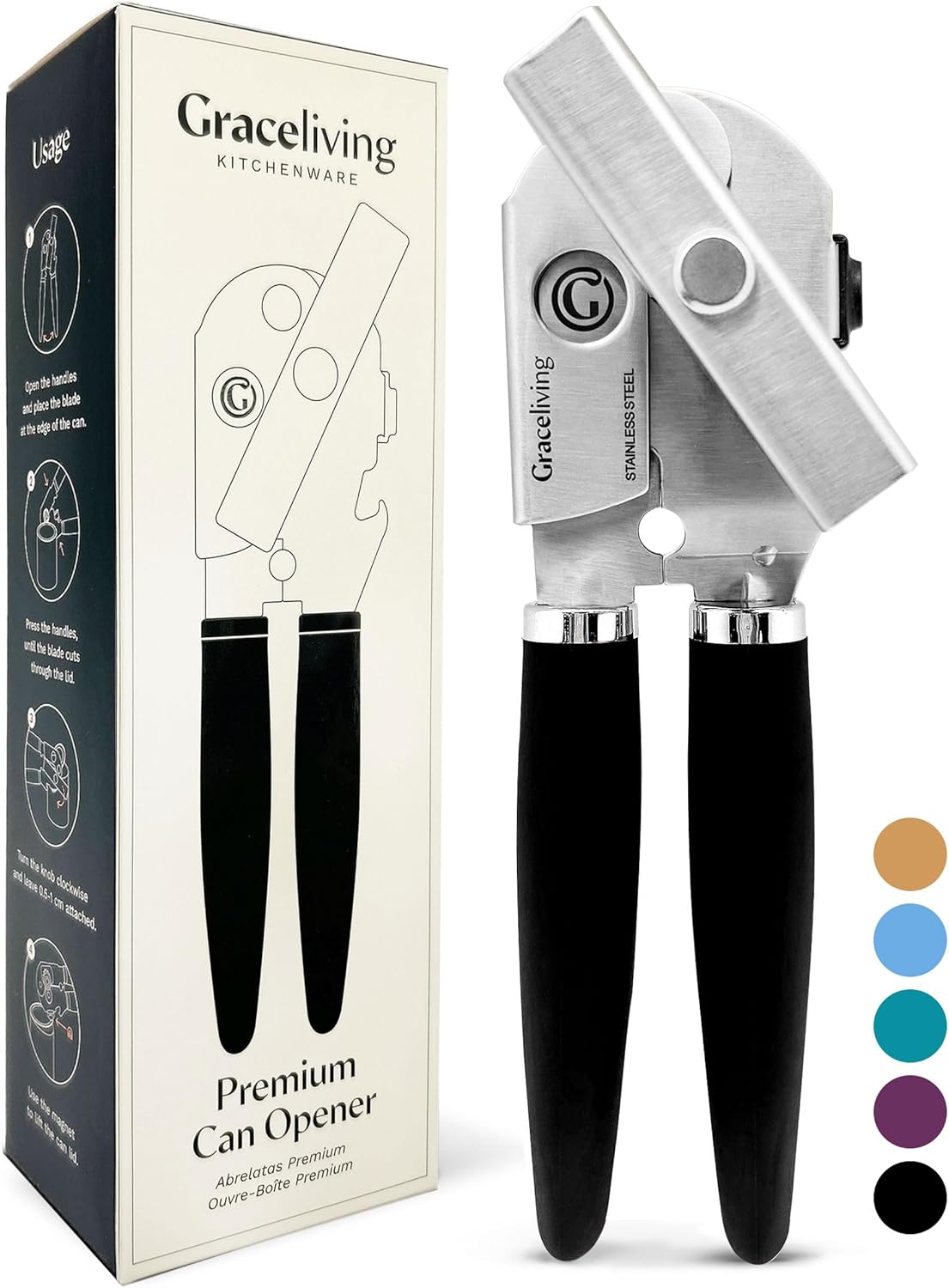
Comfortable handle design is essential for reducing hand strain, especially during repetitive kitchen tasks or when opening multiple heavy containers in quick succession. Oversized handles covered in soft, slip-resistant materials provide a secure, comfortable grasp that minimizes pressure points on palms and fingers. This specific design element greatly benefits users seeking stable control.
When examining manual options, look for ergonomic contours that fit naturally into your hand shape and grip style. Slip-resistant surfaces prevent accidental slipping during operation, ensuring safety and precision. Selecting a model with thoughtfully designed handles transforms a mundane kitchen chore into a comfortable, straightforward activity without unnecessary physical discomfort or awkwardness.
Lid Edge Style and Safety
Traditional cutting mechanisms separate containers by slicing down into the lid, frequently leaving sharp, jagged metal edges that require careful handling. Modern alternatives utilize innovative side-cutting technology that separates the lid along the outer seam, producing a smooth, touchable edge that significantly reduces the risk of accidental cuts during food disposal or storage.
Choosing between traditional top-cutting blades and smooth-edge side cutters depends on your safety preferences and food storage habits. Side-cut designs often allow separated lids to be placed back onto containers for temporary refrigerator storage. Evaluating edge styles ensures your kitchen environment remains safe for all household members handling opened goods regularly.
Countertop Versus Storage Space
Kitchen layout and available storage space play a critical role in determining which style of device suits your home environment best. Countertop electric models require permanent surface space near a functional electrical outlet, offering instant accessibility for daily meal preparation without demanding drawer storage space or physical manual exertion during busy cooking sessions.
Conversely, traditional handheld manual openers and compact battery-operated units tuck neatly away inside kitchen drawers, utility cabinets, or travel bags, making them exceptionally ideal for minimalist kitchens, small apartments, or mobile use. Assessing your available storage capacity helps maintain an organized, clutter-free environment while keeping your preferred food preparation tool readily accessible at all times.
Maintenance and Cleaning Requirements
Proper upkeep ensures your kitchen tools maintain optimal performance and food hygiene over extended periods of continuous use. Many manual stainless steel openers require careful hand washing and thorough drying to prevent moisture buildup around precision gears and blades. Following specific manufacturer cleaning guidance preserves mechanical integrity and prevents premature rust formation effectively every time.
Electric and battery-operated units typically feature wipe-clean exterior plastic surfaces and detachable cutting components where applicable. Understanding these maintenance requirements before purchasing helps you choose a device that aligns with your preferred cleaning habits, ensuring long-lasting reliability and safe food preparation conditions across all tasks in your busy household daily.
Frequently asked questions
What is the difference between manual and electric can openers?
Manual can openers rely entirely on human physical effort and hand rotation to drive a cutting wheel around a container lid, offering portable simplicity without needing electrical power. In contrast, electric and battery-operated models use motorized mechanisms to automate the cutting process, requiring only a gentle push on a lever or button. While electric units reduce hand strain significantly, manual devices provide greater portability, compact storage in drawers, and independence from electrical outlets or batteries.
Do side-cutting can openers leave safer edges?
Yes, side-cutting can openers operate by slicing along the outer seam of a container rather than pressing directly down into the top lid. This design approach separates the lid cleanly without leaving sharp, jagged metal burrs along the inner rim. The resulting smooth edge is considerably safer for handling, and many side-cut lids can even be placed back onto the container for temporary refrigerator storage, adding practical convenience to daily food preparation.
How should I clean and maintain my manual stainless steel can opener?
To maintain optimal performance and prevent rust, most manual stainless steel openers require regular hand washing with mild soap followed by thorough drying. Avoid soaking them in water for extended periods, and ensure moisture is completely removed from the gears and cutting blade before storing them away in a drawer. Following manufacturer maintenance guidelines protects the metal components and extends the working lifespan of your kitchen tool.
Are electric can openers suitable for people with limited hand strength?
Electric and automatic battery-operated can openers are generally well-suited for individuals with limited hand strength or arthritis because they eliminate the need for sustained grip pressure and manual turning rotations. With features like one-touch levers or automatic start buttons, these motorized devices handle the physical workload independently. However, users should consider whether they prefer countertop electric models or compact portable battery units based on available kitchen space.
Can I use a can opener with a built-in magnet for lid removal?
A can opener equipped with a built-in magnet features a magnetic mechanism that attaches securely to the metal lid as it is being cut. Once separation is complete, the magnet lifts and holds the sharp lid away from the food contents and your fingers, enabling touch-free disposal. This design prevents direct contact with sharp metal edges, enhancing kitchen safety and hygiene during routine meal preparation tasks.