Appliances · Buying Guide
Best Rice Strainer Stainless Steel Options for Fast Kitchen Draining
Selecting the right rice strainer stainless steel tool depends on your daily cooking habits, the types of grains you prepare, and your preferred cleanup routine. Metal strainers offer robust durability compared to plastic alternatives, handling warm water and heavy ingredients without warping. Home cooks often look for efficient drainage patterns that keep small grains securely contained while letting water escape rapidly during washing.
Different designs provide specific advantages, ranging from angled bases that tip forward for easier water removal to nested mixing bowl sets that save valuable cabinet space. Whether you need a compact single basin for daily rinsing or a multi-piece set that transitions seamlessly from washing to food prep, understanding the physical build helps you choose a reliable tool for your kitchen.
As an Amazon Associate, StacyLaughs earns from qualifying purchases.
Buying guide
Material Quality and Rust Resistance
When choosing a rice strainer stainless steel tool, evaluating the metal grade is essential for long-term kitchen utility and dependable daily performance. High-grade and 304 stainless steel options provide reliable corrosion resistance, ensuring the basin remains bright and structurally sound after repeated contact with water, starches, and cleaning detergents during routine meal preparation tasks every single day.
Choosing a thick, heavy-gauge build prevents the metal from denting or warping when exposed to heavy ingredients, boiling water, or accidental drops on hard kitchen floors. Quality stainless steel surfaces also resist staining, allowing you to maintain a clean appearance with minimal scrubbing effort over years of consistent everyday culinary use in the kitchen.
Perforation Size and Grain Retention
The size of the drainage holes directly impacts how effectively a metal strainer handles different types of foods in your kitchen. Micro-perforated models featuring two-millimeter holes or fine mesh patterns prevent small grains like quinoa, lentils, and rice from slipping through while allowing water to escape quickly during active rinses without any trouble.
Larger drainage openings, such as five-millimeter side slots, speed up water flow for bulkier vegetables and pasta but require care when rinsing tiny seeds. Matching the hole pattern to your most frequently prepared ingredients ensures a smooth food preparation experience without unexpected food waste falling down the kitchen sink drain during daily use.
Capacity and Kitchen Sink Fit
Understanding physical dimensions helps ensure your chosen colander fits comfortably inside your kitchen sink and storage cabinets without crowding your workspace. Smaller 2.0 to 2.5-quart models work well for compact spaces and modest ingredient portions, while larger five-quart basins easily accommodate family-sized meals and bulky vegetables without spilling over the edges during heavy washing sessions.
Checking the outer diameter and height prevents frustrating mismatches with your sink basin or dishwasher loading racks. Selecting a size that matches your typical cooking volume ensures you can wash and strain efficiently without handling oversized equipment or struggling to find adequate storage space in crowded kitchen cupboards.
Basin Design and Drainage Features
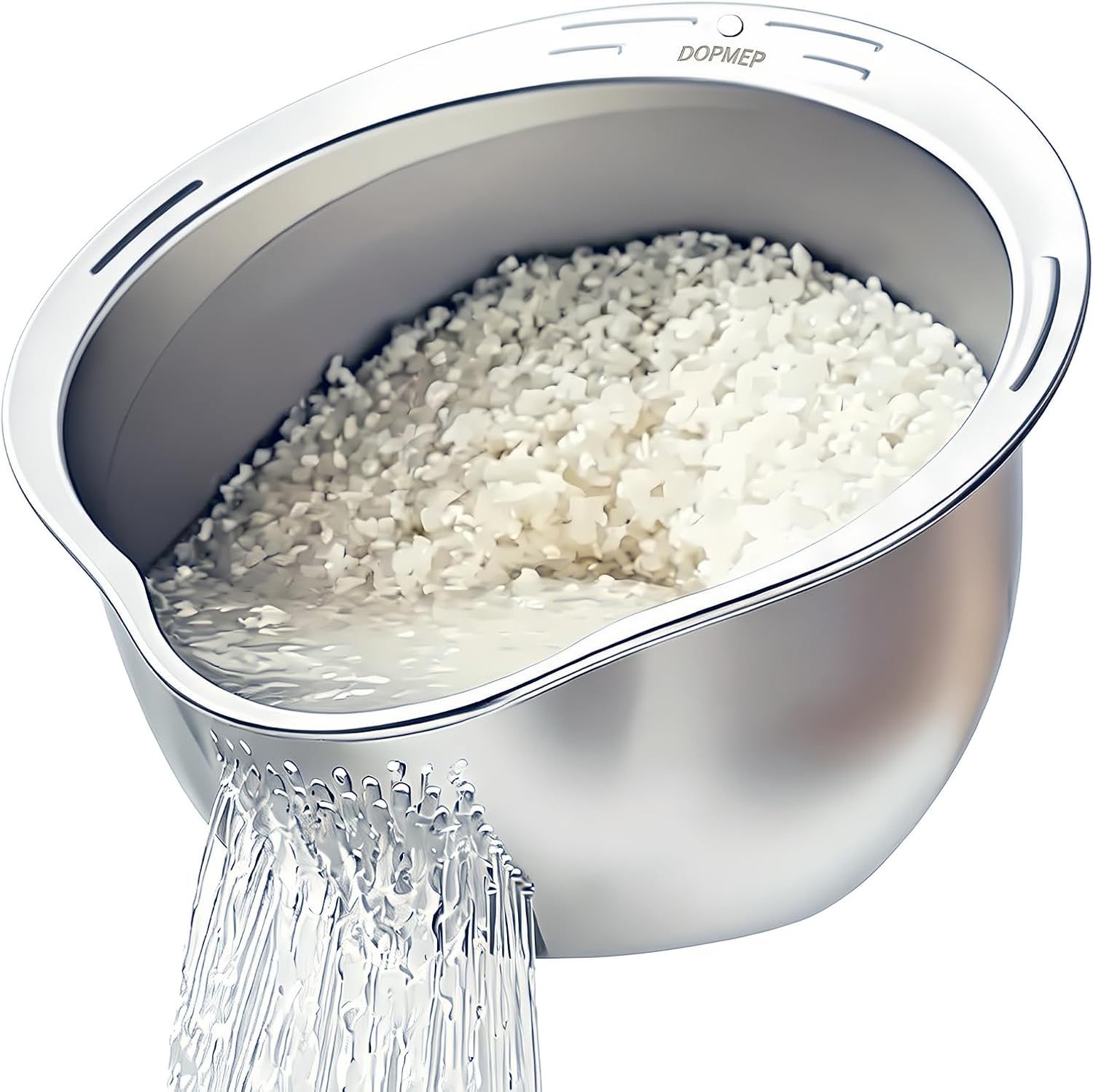
Innovative basin shapes can significantly improve your daily routine when rinsing grains and fresh produce. Angled bottoms and dedicated side drainers allow colanders to tip forward or rest stably on countertops, providing hands-free water drainage that reduces wrist fatigue during extended washing and rinsing routines in busy home kitchens.
Some specialized basins incorporate bottom agitator bumps designed to loosen sticky starches from rice grains and help wash away stubborn grit from fresh produce items. Evaluating these functional design elements lets you select a strainer that matches your specific washing preferences and makes daily grain preparation noticeably faster, cleaner, and much easier for home cooks.
Nesting Sets Versus Single Basins
Deciding between a standalone colander and a nested two-piece set depends heavily on your available storage space and multi-step food preparation habits. Two-piece sets combine a fine-mesh strainer with a matching mixing bowl, letting you soak, rinse, and mix ingredients using coordinated kitchen vessels that nest together neatly in tight cupboards and RVs.
Standalone colanders often offer larger single-basin capacities or specialized draining features like integrated solid ring bases for extra stability. Consider whether you need a versatile multi-purpose bowl combination for salads and marinades or a dedicated heavy-duty strainer designed exclusively for rapid water removal and high-volume family meal preparation tasks every single day.
Maintenance and Cleaning Convenience
Keeping your metal strainer clean should be a straightforward and quick part of your post-cooking routine in any busy home kitchen environments every day. Most stainless steel colanders feature smooth, mirror-polished surfaces that resist sticking and staining, allowing fast food release and effortless rinsing under running water immediately after completing your meal preparation tasks.
Dishwasher-safe construction adds another layer of convenience for busy households, while rivet-free integrated handles eliminate hidden crevices where food particles and moisture can accumulate over time. Reviewing manufacturer cleaning guidance ensures your metal strainer maintains its polished finish and reliable everyday performance through years of consistent home kitchen duty.
Frequently asked questions
Can I use a stainless steel rice strainer for washing other grains like quinoa?
Yes, many stainless steel strainers feature fine micro-perforations or two-millimeter hole patterns specifically engineered to retain small grains like quinoa, lentils, and rice while letting water drain rapidly. However, you should always check the specific mesh opening size of the model you select to ensure tiny seed varieties will not slip through the openings during vigorous rinsing. Models with larger five-millimeter slots are better suited for bulkier produce and pasta rather than micro-grains.
Are stainless steel rice strainers safe to clean in the dishwasher?
The vast majority of stainless steel rice strainers and colanders are fully dishwasher-safe, utilizing rust-resistant metal builds and smooth polished surfaces that withstand machine cleaning cycles without damage. Placing your strainer in the dishwasher provides a convenient way to sanitize the basin after handling sticky starches or raw produce. Always follow specific manufacturer care guidelines to preserve the exterior polish and ensure long-lasting performance across years of daily kitchen tasks.
What are the benefits of an angled base or side drainer on a rice washer?
An angled base or dedicated side drainer allows the colander basin to tip forward or rest steadily on your kitchen counter during the washing process. This thoughtful design provides hands-free water drainage, meaning you do not have to hold the bowl constantly while rinsing starches away from your rice. It streamlines food preparation routines, reduces hand fatigue, and helps water flow out efficiently while keeping your ingredients securely contained inside the basin.
Do I need a nested mixing bowl set or a standalone colander?
Choosing between a nested set and a standalone colander depends on your cooking habits and available cabinet space. Nested sets combine a fine-mesh strainer with a matching bowl, letting you soak, rinse, and mix ingredients using coordinated vessels that save storage room in small kitchens or RVs. Standalone colanders often provide larger single-basin capacities or specialized ring bases. If you regularly prepare multi-step recipes involving marinades or salads, a nested set offers excellent everyday versatility.
How do bottom agitator bumps help when washing rice?
Bottom agitator bumps are specialized physical features molded into the interior base of certain rice strainer bowls to actively assist with the rinsing process. As you swirl water and rice grains together inside the basin, these raised bumps help loosen stubborn starch coatings from the rice and assist in washing away grit from fresh fruits or vegetables. This mechanical aid speeds up the cleaning process, ensuring your grains achieve a clear rinse much faster.