Appliances · Buying Guide
Best Rotary Cheese Grater Options for Faster Meal Prep at Home
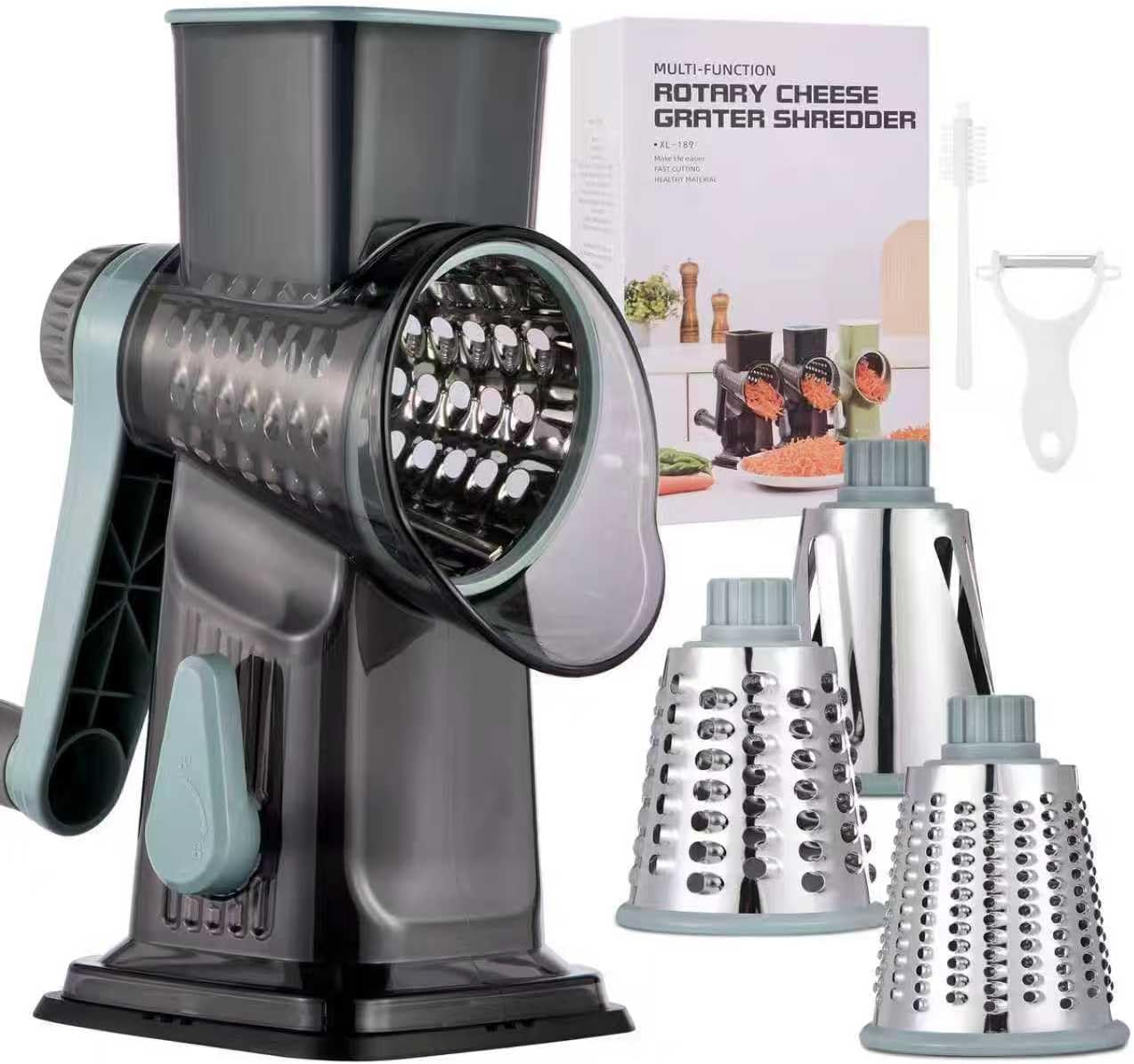
Finding the right kitchen tool for processing vegetables and firm cheeses can completely change how you handle daily meal preparation. A manual hand-crank drum slicer removes much of the physical effort typically associated with traditional flat box graters. By turning a simple crank handle, home cooks can quickly process blocks of cheese, carrots, potatoes, and nuts without direct contact with sharp stainless steel edges.
Modern designs feature secure suction bases to anchor the body firmly onto smooth countertops, keeping the unit stable while in motion. Interchangeable drums let you switch between fine shreds, coarse flakes, and flat slices depending on your recipe requirements. Evaluating these manual food prep tools relies on understanding how blade configurations, drum sizes, and cleanup routines fit into your everyday cooking space and routine.
As an Amazon Associate, StacyLaughs earns from qualifying purchases.
Buying guide
Blade Quantity and Variety
Choosing a rotary grater starts with examining the number and type of interchangeable stainless steel blades included in the package. Models featuring three standard drums handle basic coarse shredding, fine grating, and flat slicing for everyday cheese blocks and hard vegetables. These standard options easily cover most routine kitchen tasks without cluttering your storage space with extra pieces.
Expanded five-blade systems add thick slicing and specialized wavy cuts, giving home cooks greater recipe versatility for dishes like homemade potato chips or decorative vegetable platters. Assessing your typical cooking habits helps determine whether a basic three-blade setup or an expansive multi-drum configuration best serves your daily meal preparation needs. Matching blade options to your favorite recipes prevents unnecessary clutter.
Suction Base Stability
A secure suction base is essential for safe and efficient manual cranking during food preparation sessions. Units equipped with powerful suction cups lock firmly onto smooth countertops such as polished marble or glass surfaces, preventing the device from sliding around while you work. This firm anchor point keeps the entire machine steady under normal downward pressure.
Maintaining this stability allows you to turn the handle smoothly with one hand while feeding ingredients down the chute with the other hand. Buyers should carefully verify their countertop material before purchasing, as heavily textured or porous stone surfaces often prevent suction mechanisms from forming a reliable grip during vigorous grating tasks.
Feed Chute and Drum Size
The physical dimensions of the feeding chute and the internal drum directly impact how much food preparation time you save. Oversized drums and wide output chutes allow users to load larger chunks of cheese and vegetables without requiring tedious pre-cutting steps. This broad capacity moves ingredients through the system smoothly and helps prevent frustrating blockages during heavy cooking sessions.
Smaller feed openings demand that you slice blocks down into narrow strips beforehand, which adds extra steps to your daily cooking routine. Evaluating the chute size ensures you select a model that matches your preferred ingredient portions and speeds up your kitchen tasks effectively without requiring constant food adjustments.
Cleanup and Dishwasher Safety
Cleaning manual kitchen tools should be a quick process rather than a frustrating chore after preparing a heavy family meal. Most quality rotary graters feature fully detachable parts that rinse clean under a stream of running water in a matter of seconds, successfully preventing leftover food particles from hiding in tight internal corners.
Many models include top-rack dishwasher-safe components, though manufacturers frequently recommend avoiding high-heat drying cycles to preserve the longevity and sharpness of the stainless steel blades. Reviewing these specific maintenance guidelines helps protect your kitchen investment and ensures the cutting drums remain sharp, clean, and rust-free over years of regular family cooking use.
Storage and Cabinet Fit
Kitchen storage space is frequently at a premium, making the overall physical dimensions and storage accessories important purchasing factors for modern home cooks. Compact vertical designs fit easily into standard lower cabinets or narrow pantry shelves without demanding excessive room on your counters or inside crowded storage areas.
Some advanced units even include dedicated storage cases for extra blades, keeping loose drums neatly organized and preventing accidental cuts when reaching into deep kitchen drawers. Checking the exact height and width specifications ensures the assembled unit or its dismantled parts slide neatly into your designated kitchen storage spots without causing daily organizational friction.
Material Safety and Construction
Material composition directly affects the durability, food safety, and overall weight of a manual rotary cheese grater during daily use in busy home kitchens. Food-grade, BPA-free plastic housing ensures that all food contact surfaces remain completely safe during everyday meal preparation tasks for your family without leaching unwanted compounds into food.
Pairing this safe plastic frame with robust stainless steel blades provides a sturdy structure that resists rusting, prevents corrosion, and withstands regular manual cranking pressure over extended periods. Evaluating these material choices helps buyers select a reliable tool designed for long-term kitchen performance without unexpected structural failures or premature part degradation during heavy cooking tasks.
Frequently asked questions
How do rotary cheese graters attach to countertops?
Most rotary cheese graters utilize a strong suction base located on the bottom of the unit. When placed on a clean, smooth surface such as polished marble, glass, or laminate countertops, turning a locking lever or activating the suction cup creates a powerful vacuum grip. This firm anchor prevents the machine from sliding or lifting during the manual cranking process, keeping your operations stable and secure while you process vegetables or cheese blocks.
Can these rotary graters handle soft cheeses?
Rotary graters perform best with moderately firm to hard cheeses such as cheddar, parmesan, romano, and mozzarella. Very soft or fresh cheeses like high-moisture mozzarella or cream cheese tend to stick inside the drum, smear against the blades, or cause clogging rather than producing clean shreds. For optimal results, chilling softer cheeses in the refrigerator beforehand helps firm up the block and allows the stainless steel blades to cut through cleanly without jamming.
Are the blades safe to wash in a dishwasher?
Many components of these rotary graters, including the stainless steel blades and plastic drums, are top-rack dishwasher safe for easy cleaning. However, manufacturers frequently advise using a normal or low-temperature cycle and avoiding high-heat drying settings. Excessive heat can degrade plastic components or dull the sharp cutting edges of the blades over time. Hand rinsing under running water with a brush is also a fast and effective alternative for daily cleanup routines.
Do I need to pre-cut vegetables before feeding them into the chute?
Whether you need to pre-cut vegetables depends entirely on the size of the feeding chute and drum on your specific model. Units featuring oversized drums and wide output chutes allow you to load larger whole vegetables or large chunks with minimal pre-cutting. Conversely, compact models with smaller feed openings require you to slice carrots, potatoes, or zucchini into narrower strips or smaller pieces so they fit smoothly into the turning barrel without jamming.
How do I prevent food from jamming inside the transparent barrel?
Preventing food jams involves not overloading the feeding chute and using the included food pusher with steady, even downward pressure rather than forcing items through violently. Models equipped with an inclined curvature barrel are specifically engineered to promote smooth ingredient flow and reduce clogging. If a jam does occur, stop cranking immediately, disassemble the drum components, and clear any trapped food particles before resuming your meal preparation tasks.