Appliances · Buying Guide
Best Safe Edge Can Opener Choices for Smooth Cuts and Clean Lids
Finding the right tool to open kitchen tins without leaving jagged metal edges transforms everyday meal preparation and cleanup routines in any busy kitchen. Safe edge can openers cut along the side of containers rather than punching straight through the top lid, producing smooth surfaces that minimize accidental cuts and protect your fingers during routine cooking tasks.
These manual kitchen accessories often incorporate ergonomic turning knobs, comfortable non-slip grips, and specialized mechanisms to lift lids away without direct finger contact. Reviewing the available options helps match specific handle designs, overall physical dimensions, and cleaning requirements to your household's daily cooking habits, storage preferences, and physical strength needs.
As an Amazon Associate, StacyLaughs earns from qualifying purchases.
Buying guide
Handle Ergonomics and Grip Design
Selecting an appropriate safe edge can opener requires evaluating overall handle comfort, especially for busy households or individuals dealing with hand fatigue and arthritis. Look closely at ergonomic shapes equipped with specialized non-slip coatings. Soft-touch materials significantly reduce pressure on palms during prolonged kitchen food preparation tasks, ensuring steady control from start to finish while opening everyday canned ingredients.
A well-designed turning knob matters just as much as the primary handle grip. Smooth cranking mechanisms prevent excessive wrist strain when opening multiple canned goods for family dinners. Matching physical handle dimensions to your personal hand size ensures secure, confident operation during your daily cooking routines without unexpected slipping or physical discomfort.
Materials and Construction Durability
Kitchen tools face constant daily exposure to moisture, food residues, and frequent physical stress during everyday meal preparation tasks. Choosing models crafted from robust stainless steel or sturdy chrome ensures long-term performance without premature rust or structural failure over years of daily use in busy cooking environments and bustling family kitchens.
High-quality cutting wheels remain sharp and clean, avoiding direct contact with food contents during operation to maintain strict kitchen hygiene standards. Inspecting the overall build quality helps identify reliable manual devices that withstand regular cleaning routines, running tap water rinses, and dishwasher cycles effectively without degrading over extended periods of continuous operation.
Storage Footprint and Portability
Consider carefully where you store your kitchen utensils when evaluating different safe edge opener options for your home. Compact, lightweight designs easily fit inside travel bags, RV compartments, or small camping kits without adding unnecessary bulk or weight. They take up minimal space in tight kitchen drawers, making them ideal for minimalist households and small apartment kitchens.
Larger models equipped with specialized mechanisms or built-in disposal arms require dedicated cabinet space or convenient hanging storage hooks. Assessing your available kitchen storage area helps determine whether a portable mini tool or a substantial full-sized accessory best fits your lifestyle, counter organization habits, and available drawer space.
Lid Disposal and Food Hygiene
Maintaining strict food hygiene during can opening prevents accidental cross-contamination in busy home kitchens. Advanced side-cutting wheels ensure the metal blade never touches the actual food contents inside the container. Built-in pliers, magnetic lifters, or pivoting disposal arms let you release separated lids without direct finger contact or messy food spills during everyday meal preparation routines.
Clean-edged lids generated by these tools can also be conveniently reused for short-term food storage inside household refrigerators. This practical design feature helps keep leftover ingredients fresh while protecting your fingers from accidental cuts during routine kitchen cleanups and daily food disposal tasks, ensuring safe handling for everyone in the family household.
Right-Handed and Left-Handed Usability
Kitchen tools should accommodate all household members comfortably regardless of individual hand dominance. Universal designs feature symmetrical turning knobs and ergonomic handles that work equally well for right-handed and left-handed users. This ensures effortless operation for everyone participating in family meal preparation routines without awkward adjustments throughout the day.
Assessing whether a manual opener supports ambidextrous use avoids unnecessary awkwardness and hand strain for left-handed cooks in the kitchen. Selecting an inclusive tool improves overall kitchen efficiency and ensures comfortable food preparation for every family member using the gadget daily for various canned goods without causing fatigue.
Maintenance and Cleaning Simplicity
Keeping manual can openers clean ensures long-lasting performance and continuous food safety in your kitchen. Many stainless steel models easily withstand running tap water rinses or full dishwasher cycles depending on their specific construction. Regular maintenance prevents sticky food residue buildup around the cutting wheel mechanism during daily use for maximum reliability.
Reviewing manufacturer cleaning guidance helps preserve delicate moving parts over extended periods of use. Simple wash routines keep cutting wheels turning smoothly and prevent rust from forming across metallic surfaces over years of active kitchen food preparation and baking tasks, ensuring dependable operation every single time.
Frequently asked questions
How does a safe edge can opener work differently than traditional models?
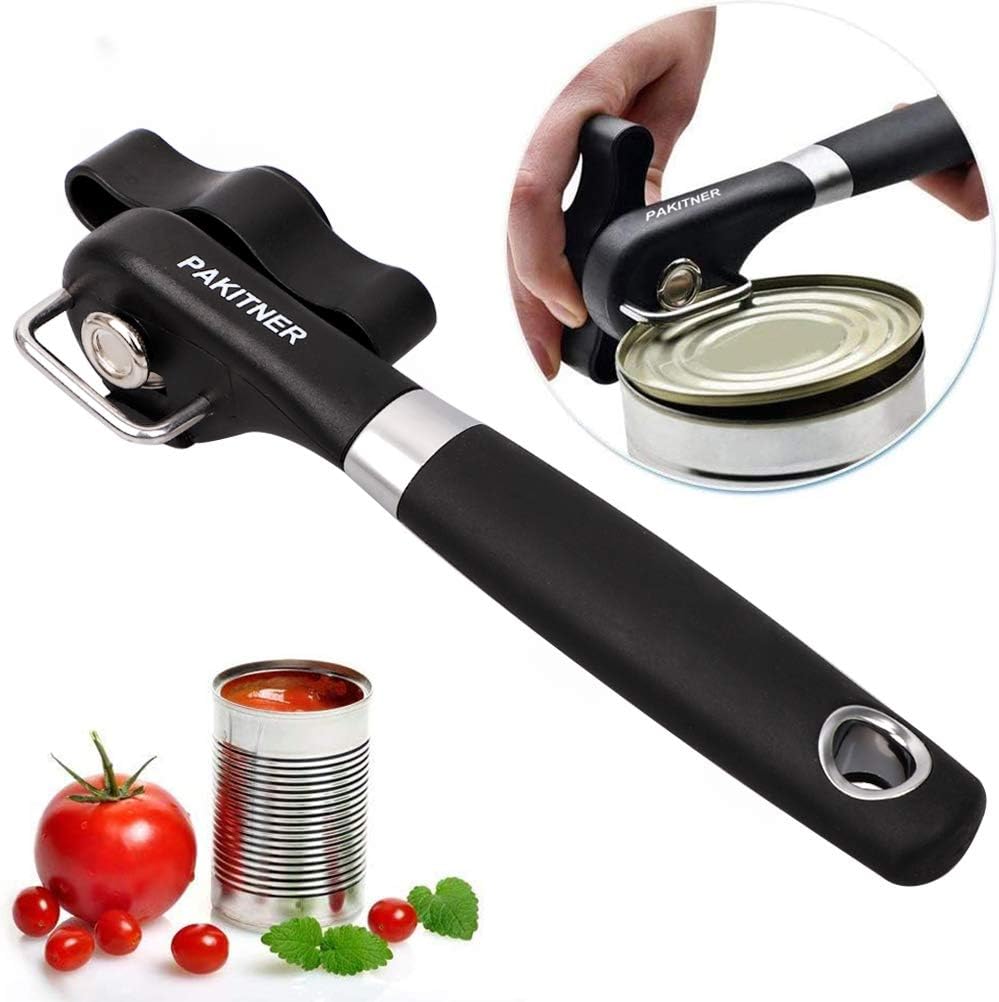
A safe edge can opener cuts along the side of the container rather than punching straight down through the top lid. This lateral cutting action separates the lid by unrolling the outer seam, leaving a smooth, non-jagged edge on both the remaining can and the removed lid. Traditional openers pierce the inner rim, creating sharp, dangerous metal edges. By shifting the cutting angle to the exterior side wall, safe edge models significantly reduce the risk of accidental finger cuts during everyday food preparation and disposal tasks in busy kitchens.
Can I reuse the removed lid to store leftover food in the refrigerator?
Yes, many safe edge can openers leave a clean, smooth edge on the cut lid that makes it suitable for short-term food storage. Because the cutting mechanism unrolls the outer seam rather than puncturing or bending the metal harshly, you can often pop the lid right back onto the top of the can. This allows you to place leftover ingredients directly into the refrigerator without transferring them to a separate container, saving you extra cleanup time while keeping your food covered and organized.
Are safe edge can openers suitable for people with arthritis or weak hands?
Many safe edge can openers are specifically designed with ergonomic features, non-slip coatings, and oversized turning knobs to accommodate individuals with arthritis or weak hands. These comfortable handles reduce the hand strength and wrist strain required to rotate the cranking mechanism compared to standard metal openers. However, grip comfort can vary by model, so users with severe hand fatigue should look for lightweight frames, soft-touch handles, and smooth side-wind operations that minimize physical effort during routine meal preparation tasks.
Do the cutting wheels on these openers touch the food inside the can?
Most safe edge can openers are engineered so that the cutting wheel never directly contacts the food contents inside the container. Because the blade approaches from the exterior side wall and cuts around the outer rim, cross-contamination is largely eliminated, even when opening messy contents like sauces or soups. Additionally, many models feature built-in pliers, magnetic lifters, or pivoting disposal arms that let you remove and discard the lid without touching it with your fingers, maintaining high hygiene standards.
How should I clean and maintain my manual safe edge can opener?
Cleaning and maintenance depend largely on the specific manufacturer guidelines for your chosen model. Many stainless steel and chrome safe edge can openers can be washed under running tap water using mild soap, while others are dishwasher safe. You should regularly wipe down the cutting wheel and turning mechanism to remove sticky food residues and prevent buildup. Following these simple cleaning routines keeps the moving parts turning smoothly, prevents premature rust, and ensures reliable performance over years of daily use.