Appliances · Buying Guide
Best Safe Spatula for Cooking: Top Heat-Resistant Picks Reviewed
Finding a reliable spatula for daily meal preparation involves balancing material durability, pan surface protection, and ergonomic comfort. Kitchen tasks like flipping delicate eggs, sautéing vegetables, or mixing dense batters require utensils that withstand high temperatures without degrading or scratching your favorite cookware. Choosing the right tool depends heavily on your preferred cooking methods and the types of pans you use daily.
Different materials offer distinct advantages for home cooks navigating various recipes and cookware types. Whether evaluating flexible silicone edges for non-stick surfaces or sturdy wooden turners for heavy-duty frying, understanding specific design attributes ensures you select a dependable tool for your kitchen setup. Reviewing individual options helps match specific handle lengths, core materials, and pack quantities to your actual cooking habits.
As an Amazon Associate, StacyLaughs earns from qualifying purchases.
Buying guide
Material Composition and Cookware Safety
Selecting a safe spatula for cooking requires examining the primary material to ensure it protects your pots and pans from accidental damage. Silicone, natural wood, and reinforced nylon each interact differently with non-stick surfaces, directly determining whether a utensil leaves scuffs, marks, or scratches during everyday meal preparation. Understanding these material characteristics helps safeguard your cookware investment over years of regular use.
Pure food-grade silicone and meticulously sanded wood surfaces generally prevent abrasion on delicate ceramic or Teflon coatings. When evaluating various options, verify that synthetic compounds are free from harmful additives to maintain dependable food safety standards. Matching the correct material to your specific cookware prevents premature wear and ensures smooth performance across breakfast, lunch, and dinner recipes.
Heat Resistance Limits and Stovetop Durability
Stovetop cooking and high-temperature baking expose kitchen utensils to intense thermal stress that can cause inferior plastics to warp or melt. Checking the maximum temperature rating of a spatula ensures it can safely rest against hot pans or handle vigorous frying tasks. High-grade silicone and dense hardwoods typically offer superior thermal threshold stability for demanding kitchen environments.
Exceeding specified heat limits can degrade utensil integrity, leading to ruined meals or damaged equipment. Models rated for temperatures up to 500 or 600 degrees Fahrenheit provide a reliable safety margin for searing, sautéing, and candy making. Assessing your typical cooking temperatures helps determine whether standard rubber or advanced high-heat materials best suit your culinary routines.
Flexibility Versus Rigidity Balance
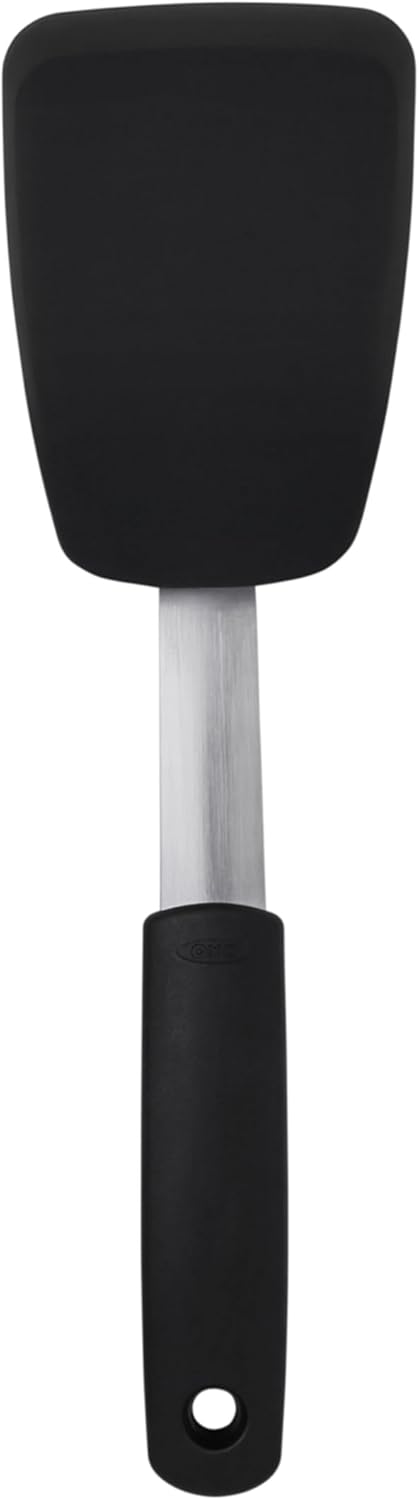
The physical behavior of a spatula depends heavily on whether it incorporates a core material like stainless steel or nylon. A utensil that is too stiff will struggle to scrape batter cleanly from curved mixing bowls, while a head that is overly pliable cannot support the weight of heavy foods like thick burger patties or dense steaks during flipping.
Finding the right balance ensures you achieve precise control whether you are folding delicate egg whites or lifting heavy roasted vegetables. Reinforced cores provide structural rigidity where needed while maintaining thin, flexible edges for smooth sliding. Consider your primary recipes to decide if you need pliable scraping edges or rigid lifting power.
Cleaning and Maintenance Requirements
Daily cleanup convenience is a major factor when choosing kitchen utensils for regular household use. Seamless silicone designs prevent food particles and stagnant water from trapping inside hidden crevices, making them effortless to wash by hand or run through an automated dishwasher cycle without harboring lingering grime or unpleasant odors over time.
In contrast, natural wood utensils typically demand manual washing with mild soap and periodic mineral oil conditioning to preserve their moisture barrier and prevent cracking. Reviewing maintenance guidelines before purchase ensures your cleaning habits align with the long-term care instructions required to keep your cooking tools sanitary and visually appealing.
Handle Comfort and Ergonomic Grip Design
Extended cooking sessions demand comfortable handle designs that reduce hand fatigue and prevent accidental slips during messy meal preparation tasks. Ergonomic profiles molded to fit natural hand contours allow for a secure, confident hold when turning heavy items or stirring thick mixtures across hot pans for prolonged periods of time.
Features such as textured non-slip grips, extended lengths, and smooth wooden surfaces help keep your fingers safely away from intense burner heat. Evaluating handle construction ensures you can maintain steady control, minimizing dropped utensil mishaps and enhancing overall safety during fast-paced cooking routines.
Pack Quantity and Utensil Variety
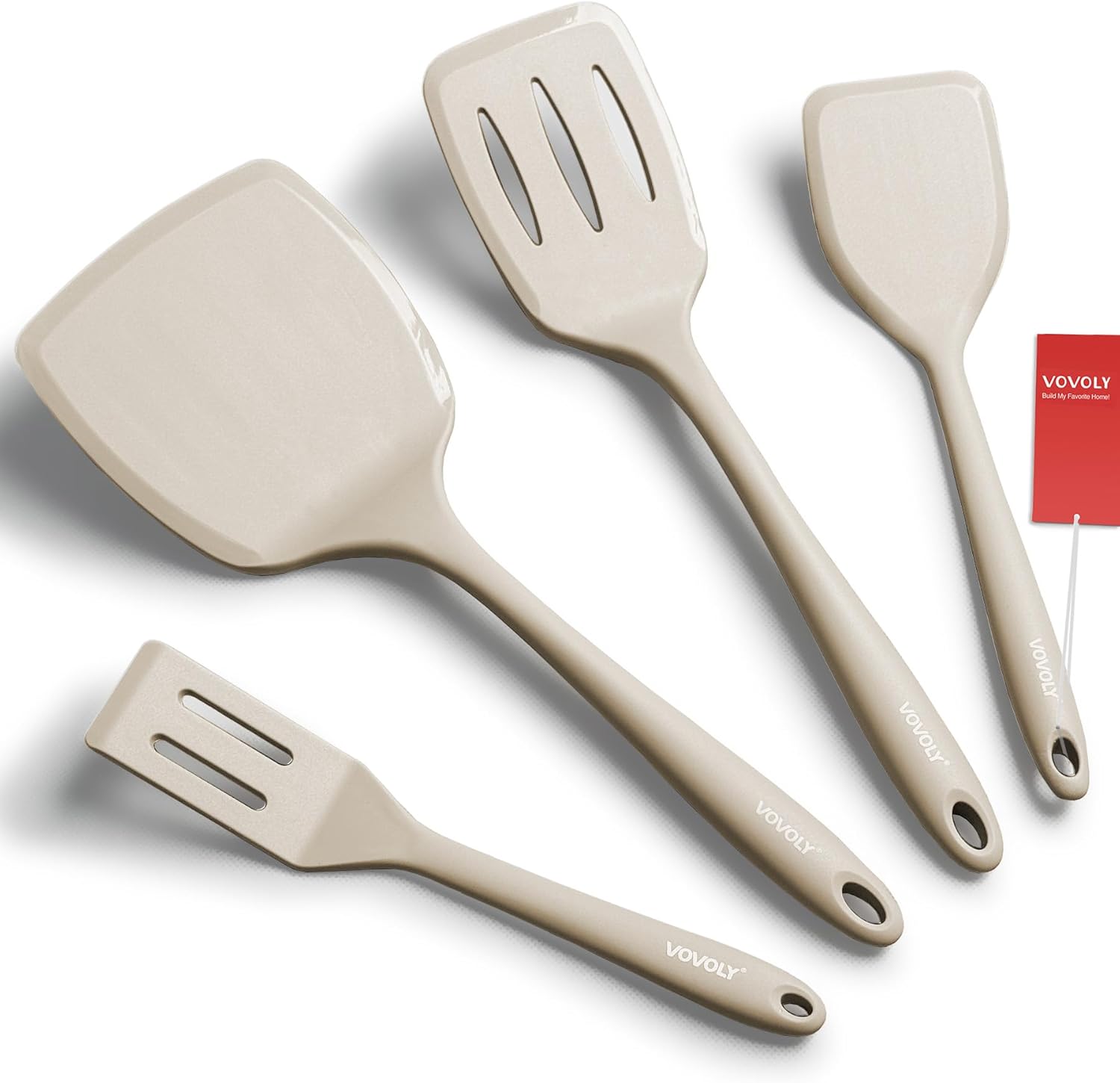
Purchasing a spatula set rather than a single standalone tool offers greater versatility for addressing varied culinary challenges in a busy kitchen. Multi-piece collections often combine solid turners, slotted flippers, and narrow baking scrapers, ensuring you have the exact shape required for flipping pancakes, frosting cakes, or draining cooking liquids efficiently.
Assessing how many pieces you actually need prevents kitchen drawer clutter while ensuring comprehensive coverage for daily meal preparation. Single-pack options suit targeted tasks like flipping single eggs, whereas larger sets accommodate multi-dish cooking workflows where switching between specialized tools prevents cross-contamination and improves efficiency.
Frequently asked questions
Are silicone spatulas safe for high-heat frying and cooking?
Yes, high-grade silicone utensils are specifically engineered to withstand elevated temperatures on stovetops without melting, warping, or releasing harmful chemicals into food. Many quality silicone spatulas maintain structural stability up to 500 or 600 degrees Fahrenheit, making them suitable for standard frying, sautéing, and baking tasks. However, it remains important to check the specific manufacturer temperature rating for your chosen product, as extreme direct contact with open flames or heating elements can still exceed safe operational limits and cause thermal damage to the material over time.
Will wooden spatulas scratch non-stick cookware surfaces?
Properly finished wooden spatulas crafted from dense hardwoods like acacia are generally safe for non-stick pots and pans. Manufacturers typically apply meticulous sanding and smooth beveled edges to ensure the wood glides gently across ceramic or Teflon coatings without leaving scratches. To maintain this protective finish, you should inspect the wood regularly for rough spots and apply food-grade mineral oil as needed. Using poorly maintained wooden utensils with splintered edges can risk damaging sensitive pan surfaces, so proper upkeep is essential for safe cookware protection.
How do I clean seamless silicone spatulas effectively?
Seamless silicone spatulas are exceptionally easy to clean because their single-piece construction eliminates crevices where food particles and moisture can get trapped. You can wash them effortlessly by hand using warm water and mild dish soap, or place them directly into an automated dishwasher for thorough sanitization. Because they lack joints or glued handles, water cannot enter internal cavities to cause mold growth. Wiping them dry or storing them on a kitchen rack via their hanging holes keeps them clean and ready for future cooking tasks.
What is the advantage of a reinforced core in a silicone spatula?
A reinforced core made from stainless steel or sturdy nylon provides structural stability and strength to the spatula head and handle. Pure silicone alone can sometimes be too flexible to lift heavy foods like thick burger patties or dense roasted vegetables. By embedding a strong inner core, manufacturers create utensils that combine the non-scratch flexibility of a soft outer edge with the rigid lifting power needed for demanding stovetop cooking. This dual construction prevents the blade from bending excessively under pressure while maintaining precise control.
How should I maintain natural wooden cooking spatulas?
Natural wooden spatulas require manual care to preserve their durability and appearance over years of kitchen use. You should always wash them by hand using mild detergent and warm water, avoiding prolonged soaking in water and never placing them in a dishwasher, which can cause warping or splitting. After cleaning, dry them thoroughly with a towel and allow them to air dry completely. Periodically applying food-grade mineral oil helps maintain the wood's natural moisture barrier, preventing cracks and highlighting the unique grain patterns of the material.