Appliances · Buying Guide
Best Safety Can Opener Choices for Smooth Edges and Easy Lid Disposal
Finding the right tool for opening cans without leaving dangerous metal shards requires looking closely at how each model handles the lid and the cutting process. Modern designs focus on side-cut mechanisms that separate the top safely, protecting your fingers during everyday kitchen tasks and meal preparation.
Whether you need an ergonomic grip for weak hands, a compact travel tool, or a hands-free disposal system, reviewing the specific attributes of each manual opener helps you choose the most suitable kitchen companion for your household routines and storage habits.
As an Amazon Associate, StacyLaughs earns from qualifying purchases.
Buying guide
Understanding Side-Cut Mechanisms
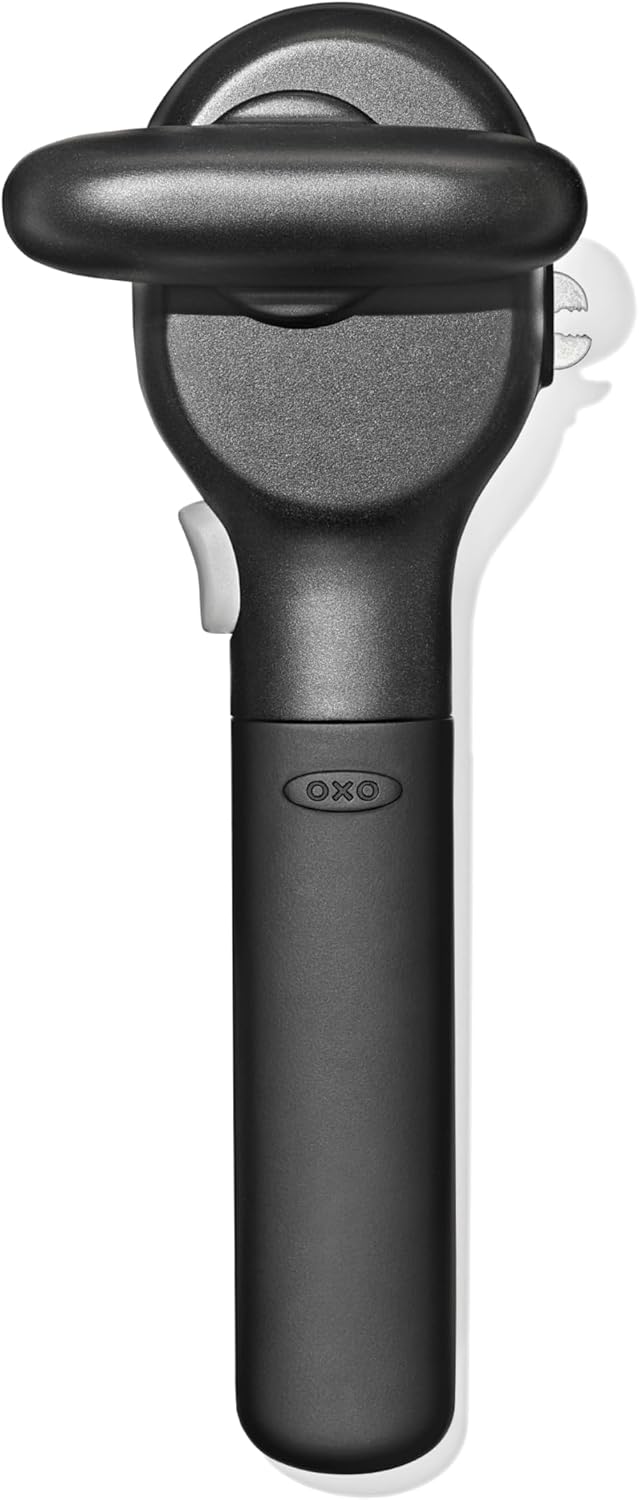
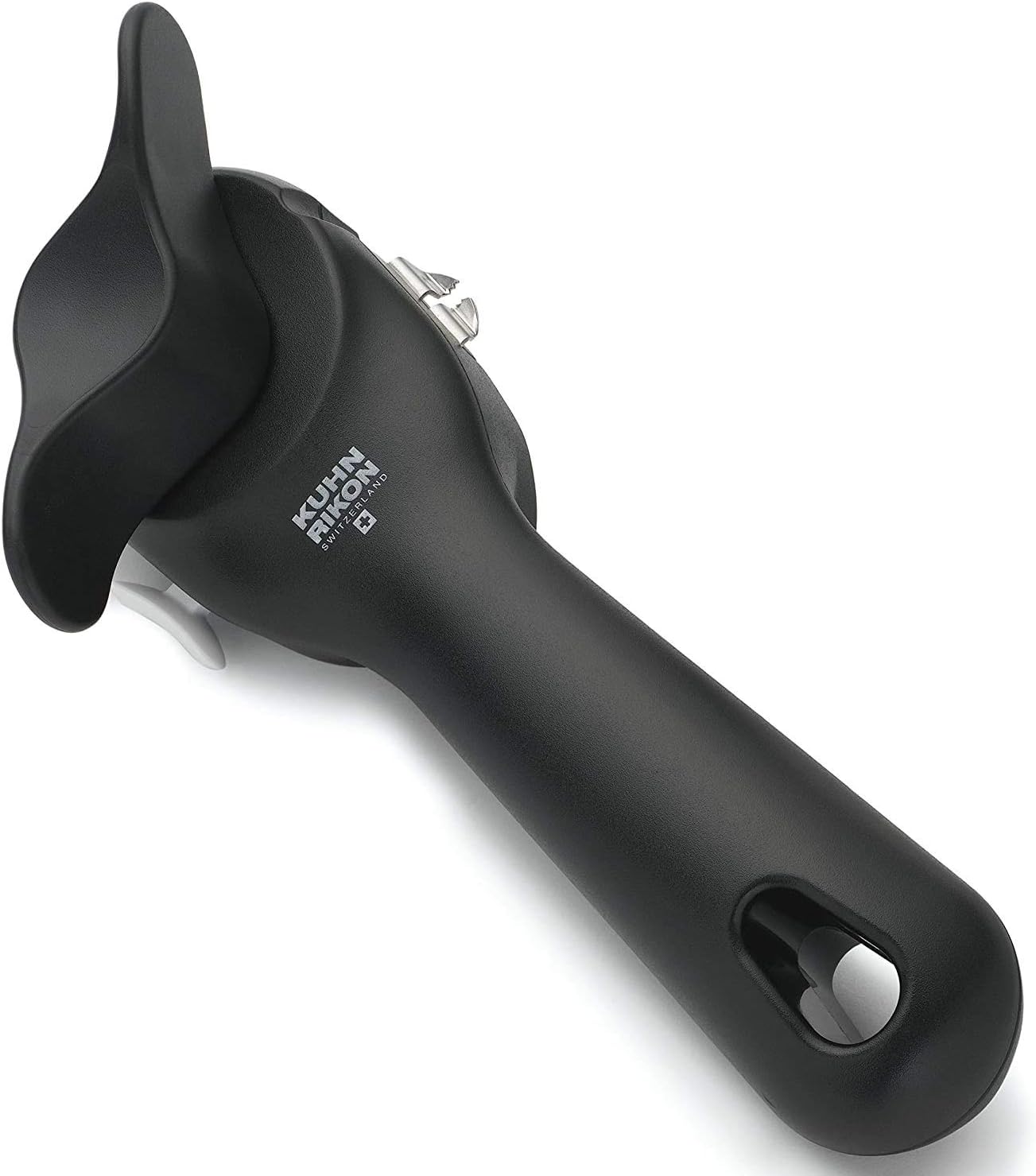
Side-cut technology changes how these tools interact with metal cans by slicing through the outer seam instead of plunging down from the top. This approach leaves smooth rims on both the remaining can body and the detached lid, significantly reducing accidental cuts during food preparation. When evaluating options, look at how the cutting wheel engages the metal edge.
Models utilizing this side-cutting style prevent the blade from touching the food inside. This design choice helps maintain better hygiene and keeps the metal clean across multiple uses. Selecting a side-cut model ensures your kitchen routine remains safe when handling everyday canned goods and pantry staples.
Evaluating Handle Ergonomics and Grip
Comfortable handles are essential for users who experience hand fatigue, arthritis, or weak grip strength during meal preparation. Ergonomic models often feature non-slip coatings, oversized turning knobs, or contoured grips that distribute pressure evenly across the palm and fingers. Reviewing handle materials helps match the tool to your physical comfort needs.
Plastic grips offer lightweight handling and soft textures, while metal handles provide a rigid, substantial feel. Consider how much twisting force you can comfortably exert and choose a handle style that minimizes strain during daily cooking tasks and frequent canned food prep.
Assessing Lid Removal and Disposal
Managing detached lids safely prevents messy accidents and keeps food preparation areas clean. Some tools incorporate specialized pliers or patented lifting arms that grip the metal top automatically, allowing you to discard it without touching the sharp edge. Other designs hold the lid securely until you pivot the handle.
If you prefer to reuse clean-edged tops for short-term food storage in the refrigerator, look for mechanisms that preserve the shape of the lid. Touch-free disposal systems reduce contamination risks and eliminate the need to fish stray lids out of the can contents.
Material Construction and Durability
The materials used in crafting these kitchen tools dictate their long-term resilience and maintenance requirements. Stainless steel components offer robust performance against daily wear, resisting rust and handling tough cans without bending. Chrome plating provides a classic appearance and a sturdy, weighty feel in the hand.
Plastic housing elements help reduce overall weight and allow for ergonomic molding, though they require simple cleaning with warm soapy water. Matching the material construction to your cooking frequency ensures the tool withstands regular kitchen demands without premature mechanical failure.
Storage Size and Kitchen Fit
Physical dimensions influence how easily a tool fits into your kitchen storage setup. Compact models measuring around three inches in height slip easily into small drawers or travel bags, making them ideal for minimalist kitchens or camping trips. Taller tools over seven inches require more vertical space.
Evaluate your available drawer or counter storage before purchasing. Selecting a size that matches your storage constraints ensures the tool remains accessible without cluttering your workspace or taking up valuable room in crowded kitchen organizers.
Operation Modes and Ease of Use
Manual operation modes vary from traditional side-wind wheels to self-locating mechanisms that align automatically on the can rim. Self-locating designs simplify the initial placement step, making them accessible for users who find standard openers difficult to position correctly. Ambidextrous builds accommodate left- and right-handed cooks equally well.
Consider whether you prefer a traditional manual turn knob or a specialized gear system that reduces physical strain. Choosing an operation mode that fits your dexterity level ensures smooth, frustration-free meal prep every time you open a can.
Frequently asked questions
How do side-cut designs prevent sharp edges?
Side-cut mechanisms slice through the outer rolling seam of the metal container rather than cutting down vertically through the top panel. This leaves a smooth, rounded edge on both the remaining can rim and the detached lid, effectively eliminating the razor-sharp metal edges commonly produced by traditional tools and protecting your fingers during food preparation and disposal.
Can I reuse the cut lids for food storage?
Yes, many side-cut tools leave a clean, undamaged edge on the detached lid that is suitable for short-term food storage in the refrigerator. Because the cut occurs on the outer seam, the lid retains its circular shape, allowing you to pop it back onto the top of the can to keep leftovers covered until you are ready to finish your food.
Are these tools suitable for people with arthritis?
Several models feature ergonomic, non-slip handles and oversized turning knobs designed specifically to reduce hand strain and accommodate individuals with weak hands or arthritis. Self-locating mechanisms and smooth gear systems also minimize the physical effort required to grip, align, and turn the tool during daily kitchen tasks.
Do the cutting wheels touch the food inside?
In side-cut designs, the hardened stainless steel cutting wheel rides along the outside edge of the container and never contacts the food inside. This prevents cross-contamination, keeping the mechanism clean and allowing you to open messy contents like soups, sauces, and canned fruits with greater peace of mind and hygiene.
How should I clean and maintain my manual opener?
Most manual models can be cleaned simply with warm soapy water to remove any residue. Following manufacturer guidelines for routine washing prevents buildup on the gears and cutting wheel, ensuring smooth mechanical operation and extending the lifespan of the tool through years of regular everyday kitchen use.