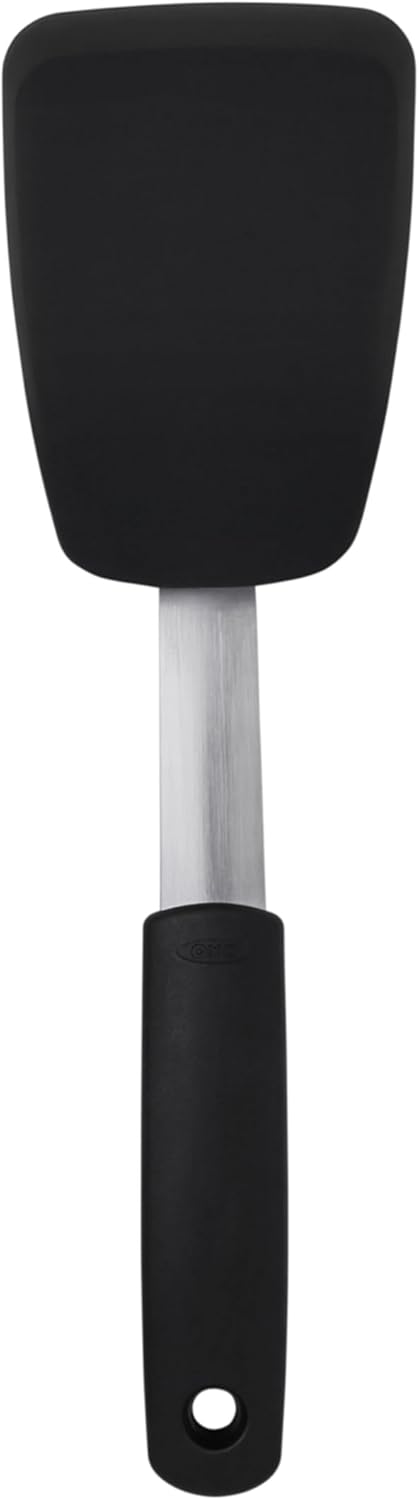
Appliances · Buying Guide
Best Silicone Spatula Heat Resistant Tools for Your Kitchen
Selecting the right kitchen tools makes cooking and baking much simpler, especially when dealing with high temperatures. A quality silicone spatula heat resistant design prevents melting issues during stovetop mixing, candy making, or oven tasks. These versatile utensils protect non-stick cookware surfaces from scratches while offering reliable flexibility for scraping mixing bowls or folding batters cleanly.
Different cooking tasks require specialized shapes and sizes, ranging from small spreaders to large spoon-style options and flexible turners. Understanding material composition, such as reinforced nylon or stainless steel cores, helps you choose an implement matching your daily habits. Exploring various multi-piece sets and single specialty items ensures you find durable, dependable equipment for effortless meal preparation.
As an Amazon Associate, StacyLaughs earns from qualifying purchases.
Buying guide
Material Composition and Safety
Selecting food-grade silicone ensures that your kitchen utensils remain safe, odorless, and free from harmful chemical compounds during high-temperature cooking tasks. Many quality spatulas utilize 100 percent pure silicone construction, while others incorporate internal support cores made of reinforced nylon or durable stainless steel. Understanding these material differences helps you choose a tool that matches your specific cooking style and heat exposure requirements.
Pure silicone models offer exceptional flexibility and protect non-stick cookware from scratches. However, adding an internal core provides the structural rigidity necessary for heavy stirring or lifting. Reviewing product specifications for food-grade certifications guarantees peace of mind when preparing family meals at elevated stovetop temperatures.
Heat Resistance Limits
Managing high heat is essential for preventing utensil degradation, warping, or melting during intensive cooking procedures like candy making or deep pan stirring. Premium silicone spatulas typically withstand temperatures reaching up to 500 or even 600 degrees Fahrenheit without losing structural integrity. Checking manufacturer temperature thresholds ensures your chosen tool will endure hot oven environments and active stovetop burners safely.
Operating within specified thermal limits extends the lifespan of your kitchen implements significantly. While standard plastic utensils often warp under moderate heat, high-grade silicone maintains its form, texture, and safety profile. Selecting appropriate temperature ratings prevents accidental damage and ensures reliable, long-lasting performance across diverse culinary applications without degradation.
Design and Construction Styles
Spatula construction styles vary widely, ranging from seamless one-piece molded designs to multi-piece assemblies with distinct handles and heads. Seamless models prevent food particles and moisture from entering hidden crevices, making them exceptionally hygienic and simple to clean by hand or in a dishwasher. On the other hand, tools with internal reinforcement cores offer distinct handling advantages for heavier mixing applications.
Spoon-style spatulas feature deeper bowls that make transferring sauces and batter much easier than flat blades. Meanwhile, dedicated turners provide wide, flat surfaces designed specifically for sliding beneath delicate foods in frying pans. Assessing your daily recipe requirements helps determine which construction style and head shape best suits your kitchen workflow.
Handle Ergonomics and Grip
Comfortable handles reduce hand fatigue during extended baking or cooking sessions involving vigorous mixing and dough stirring. Many silicone spatulas feature ergonomic handles with non-slip textures that ensure a secure hold even when hands are wet or greasy. Tapered designs provide better control near the utensil head, allowing for precise scraping and folding movements across mixing bowls.
Material choices for handles also impact overall comfort and heat transfer during use. Cool-touch nylon or silicone-coated grips prevent heat from traveling directly to your hand while stirring hot pots on the stovetop. Evaluating handle shape, texture, and overall length ensures you select an implement that feels balanced and natural in your grasp.
Cleaning and Maintenance Ease
Maintaining kitchen utensils properly preserves their appearance and function over years of regular home use. Most high-grade silicone spatulas feature dishwasher-safe construction, greatly simplifying cleanup after messy baking or cooking projects. Seamless one-piece designs eliminate trapped food residue in crevices, ensuring that cleaning requires minimal effort whether washed by hand in warm soapy water or loaded into an automatic dishwasher.
Following manufacturer guidelines regarding cleaning methods protects the non-stick properties and material longevity of your silicone tools. Storing utensils properly using integrated hanging holes also prevents clutter in kitchen drawers while keeping frequently used tools easily accessible. Prioritizing easy-to-clean materials saves valuable time during daily meal preparation cleanup routines.
Cookware Compatibility
Protecting your investment in pots, pans, and bakeware requires utensils gentle enough to prevent unsightly scratches and surface damage. Silicone spatulas offer soft, flexible edges that glide smoothly across non-stick surfaces without marking ceramic, Teflon, or stainless steel coatings. This makes them ideal for everyday cooking tasks where delicate cookware protection is a top priority.
Unlike rigid metal turners that can gouge delicate non-stick layers instantly, silicone implements provide a safe buffer during high-heat flipping and stirring. However, ensuring the internal core offers enough rigidity for your specific cooking style remains important when handling heavy foods. Choosing compatible tools prevents accidental pan damage while maintaining optimal cooking performance across your entire kitchen setup.
Frequently asked questions
Can heat-resistant silicone spatulas melt during normal stovetop cooking?
High-grade silicone spatulas designed for heat resistance typically withstand temperatures up to 500 or 600 degrees Fahrenheit, which exceeds standard stovetop cooking ranges. As long as you operate within the manufacturer specified temperature thresholds and avoid leaving the utensil resting directly on a blazing hot burner element or open flame for extended periods, melting should not occur. Their robust thermal stability makes them exceptionally reliable for active pan stirring, sauce reduction, and high-heat baking applications without degradation or warping issues.
Are seamless one-piece silicone spatulas better than two-piece designs?
Seamless one-piece silicone spatulas offer distinct hygienic advantages because they lack crevices or joints where food particles, batter, and moisture can become trapped during use. This design prevents mold growth and makes thorough cleaning much simpler, whether washed by hand or placed in a dishwasher. However, two-piece models often feature internal reinforcement cores made of nylon or stainless steel that provide extra rigidity for heavy stirring, meaning your choice depends on whether you prioritize absolute hygiene or structural stiffness.
Will silicone spatulas scratch my non-stick pots and pans?
Silicone spatulas feature soft, flexible edges specifically engineered to be gentle on non-stick cookware and delicate bakeware surfaces. Unlike metal utensils that easily gouge or scratch specialized coatings, silicone glides smoothly across pots and pans without leaving marks. This makes them the ideal choice for everyday tasks like scraping mixing bowls, flipping eggs, or stirring sauces in non-stick skillets, ensuring your cookware maintains its pristine condition over years of frequent culinary use.
How should I clean and maintain my silicone kitchen utensils?
Most quality silicone spatulas feature dishwasher-safe construction, allowing for convenient cleanup after meal preparation. For hand washing, use warm water and mild dish soap along with a soft sponge to remove stubborn food residues. Avoid using abrasive scouring pads or harsh chemical cleaners that could degrade the silicone surface over time. If your utensils feature hanging holes, storing them on hooks helps keep your kitchen organized while ensuring they air dry completely between uses.
What is the benefit of a reinforced internal core in a spatula?
Utensils featuring a reinforced internal core made of nylon or stainless steel offer superior structural rigidity compared to flexible all-silicone models. While flexible edges excel at scraping mixing bowls and folding delicate batters, a rigid core provides the necessary strength for heavier tasks like stirring thick doughs, sautéing dense ingredients, or flipping substantial food items on the stovetop. Choosing a core type depends heavily on whether your cooking routine involves light baking or heavy-duty culinary preparation.