Appliances · Buying Guide
Best Smooth Edge Can Opener for Safe Kitchen Food Prep
Opening cans safely without leaving jagged metal edges changes how kitchens handle everyday food prep. A smooth edge can opener cuts along the side of the container rather than punching straight down through the top lid. This specialized cutting method creates a clean separation, leaving a dull edge on both the remaining can and the removed lid.
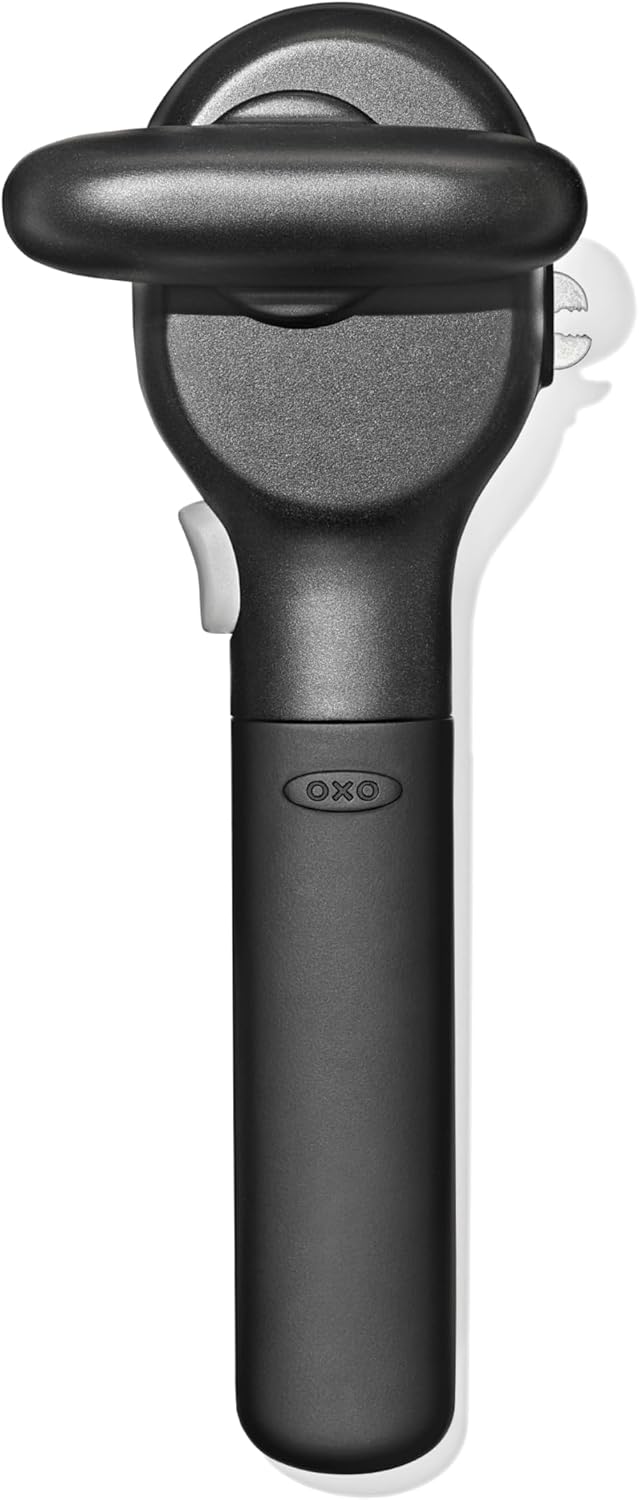
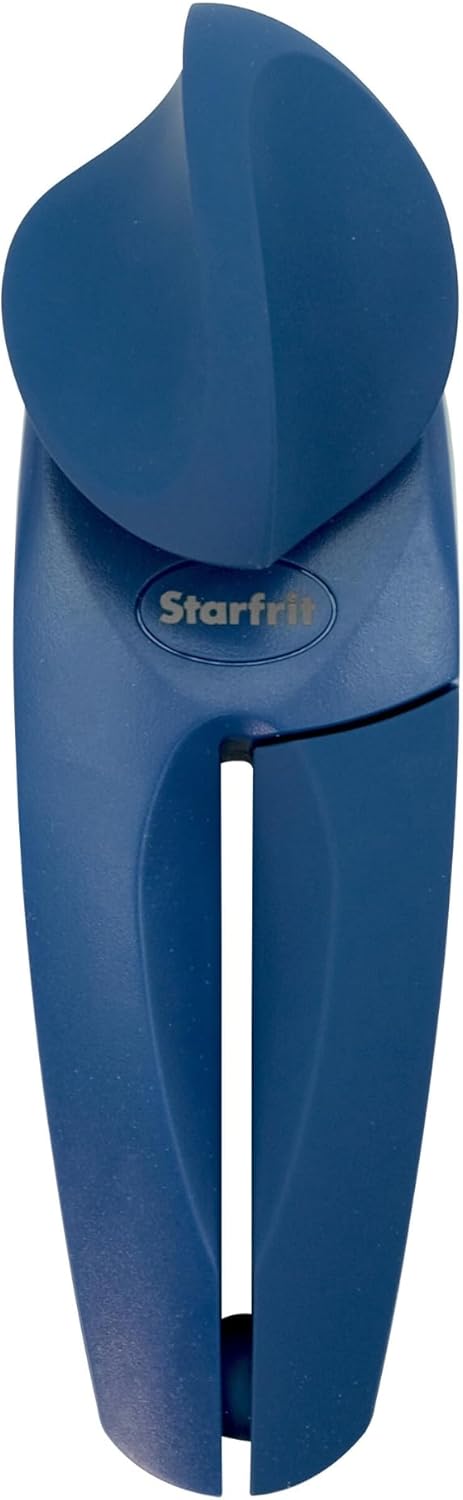
Choosing the right manual tool depends on your grip preference, daily cooking volume, and storage habits. Some models feature built-in pliers or handles designed for minimal hand strain, while others emphasize compact dimensions or hands-free lid disposal mechanisms. Reviewing the physical attributes and design specifications helps match a specific device to your household routine.
As an Amazon Associate, StacyLaughs earns from qualifying purchases.
Buying guide
Understanding Side-Cutting Mechanics
Side-cutting smooth edge can openers operate differently from traditional top-punching models. Instead of pressing a sharp blade downward into the center of the lid, these devices use a hardened wheel that engages the outer rim seam. This lateral approach shears the metal cleanly, leaving smooth edges on both the remaining container and the detached lid.
This design prevents metal shavings from dropping into your food and eliminates sharp edges that often cause accidental cuts during disposal. Understanding this mechanics helps you appreciate why side-cutters feel slightly different to operate, as turning the knob requires a steady hand along the outer lip rather than a downward piercing motion.
Evaluating Handle Ergonomics and Grip Materials
Handle comfort dictates how easily you can open multiple cans during heavy meal preparation. Many manual models incorporate soft-touch rubber, non-slip coatings, or contoured shapes designed to fit comfortably in your palm. These materials reduce friction and prevent slipping, which proves especially beneficial for cooks with hand fatigue or reduced grip strength.
Examining the handle dimensions helps determine whether a tool matches your specific hand size and storage needs. Stout, compact grips offer high leverage in tight spaces, while longer handles distribute pressure evenly across your fingers. Selecting an appropriate grip material ensures you can rotate the turning knob smoothly without experiencing hand strain during daily kitchen tasks.
Assessing Storage Footprint and Physical Dimensions
Kitchen drawer space is often at a premium, making physical dimensions an important factor when selecting a manual can opener. Models range from compact handheld units measuring under three inches to longer traditional styles spanning nine inches. Measuring your available drawer depth and width ensures your new tool stores neatly without jamming other utensils.
Portable stainless steel openers with minimal frames tuck easily into tight spaces, kitchen drawers, or camping bags. Conversely, larger tools with integrated pliers or oversized side-wind mechanisms demand dedicated storage real estate inside crowded cabinets. Weighing storage requirements against your kitchen layout prevents counter clutter and keeps your preferred food preparation tools readily accessible.
Maintenance and Cleaning Considerations
Keeping your manual can opener clean preserves its cutting performance and ensures food safety over years of use. Because side-cutting wheels typically avoid direct contact with can contents, they stay cleaner than traditional vertical blades. However, routine rinsing under warm water removes any accidental splashes, keeping the stainless steel mechanism operating smoothly.
Reviewing manufacturer guidelines helps determine whether a model is safe for dishwasher cleaning or requires hand washing. Stainless steel and chrome construction resist rust and wear, but thorough drying after washing prevents moisture buildup. Proper maintenance routines protect the cutting wheel and turning knob from stiffness, ensuring reliable performance every time you cook.
Left-Handed and Universal Accessibility
Traditional kitchen tools often favor right-handed users, creating awkward operating angles for left-handed cooks. Fortunately, many modern smooth edge can openers feature symmetrical designs or universal turning mechanisms that accommodate both left- and right-handed grips equally well. This adaptability ensures anyone in the household can operate the device comfortably during meal preparation.
When selecting a tool for a shared kitchen, check whether the side-wind knob and handle shape support ambidextrous use. Universal configurations eliminate the frustration of awkward wrist angles, making the opening process smooth and natural regardless of your dominant hand. Accessibility features contribute to a safer, more inclusive cooking environment for all family members.
Lid Reuse and Disposal Features
Smooth edge cutting technology transforms what happens to the discarded lid after opening. Because the side-cut leaves a dull, burr-free border, the removed metal top can often be placed back onto the container for short-term refrigerator storage. This feature reduces the need for plastic wrap or separate storage containers when saving leftover ingredients.
Some advanced models feature built-in pliers or pivoting release levers that hold the lid securely until you drop it directly into the trash. These mechanisms prevent accidental cuts and keep your fingers entirely away from sharp metal edges. Evaluating lid handling features helps you choose a tool that streamlines both food storage and cleanup.
Frequently asked questions
How does a smooth edge can opener work differently from standard openers?
A smooth edge can opener cuts along the side of the container rather than plunging downward through the top lid. This lateral cutting action separates the metal seam cleanly, resulting in a dull edge on both the remaining can and the removed top. Because the cutting wheel travels around the outer rim, it typically avoids direct contact with the food inside the container. This design eliminates sharp, jagged metal edges, significantly reducing the risk of accidental cuts during food preparation, lid handling, and eventual disposal in your kitchen trash can.
Can I reuse the cut lid to store leftover food in the refrigerator?
Yes, many smooth edge can openers leave a clean, burr-free edge on the removed lid that is well-suited for short-term food storage. Once you open a can of vegetables, fruit, or sauce, you can simply pop the intact lid right back onto the top of the container and place it directly into the refrigerator. This convenient capability eliminates the need to transfer leftover contents into separate storage bowls or cover them with plastic wrap, helping streamline your kitchen cleanup and reduce unnecessary dishwashing tasks after meals.
Are smooth edge can openers suitable for people with arthritis or weak hands?
Many smooth edge can openers are designed with ergonomic, non-slip handles and smooth turning knobs to assist users with reduced grip strength or arthritis. Models featuring contoured grips and oversized side-wind mechanisms help minimize the physical strain required to rotate the cutting wheel around the can rim. However, because manual openers rely entirely on hand power, individuals with severe joint pain should look for specific models emphasizing high leverage, comfortable handle textures, and easy-to-turn knobs to ensure a comfortable cooking experience.
How do I clean and maintain a manual stainless steel can opener?
Cleaning a manual stainless steel can opener typically involves rinsing the device thoroughly under warm water after use to remove any accidental food splashes. Because side-cutting wheels rarely touch the contents inside the cans, they stay cleaner than traditional vertical blades. You should check manufacturer instructions to confirm whether your specific model is safe for dishwasher cleaning or if it requires hand washing. Thoroughly drying the stainless steel components after washing helps prevent moisture buildup, keeping the turning mechanism smooth and rust-free over years of daily kitchen use.
Do smooth edge can openers work on all standard can sizes?
Most smooth edge can openers are engineered to fit a wide variety of standard can sizes, ranging from small soup cans up to large vegetable containers. The side-cutting wheel engages the outer rim seam regardless of the diameter, allowing the mechanism to travel smoothly around the entire circumference. However, extremely dented cans or non-standard container shapes may occasionally interfere with the grip of the cutting wheel. Ensuring the rim is clean and unbent before starting will help the handheld device maintain consistent contact and open your cans smoothly every time.