Appliances · Buying Guide
Best Spatula For Flipping Eggs: Top Choices For Every Pan
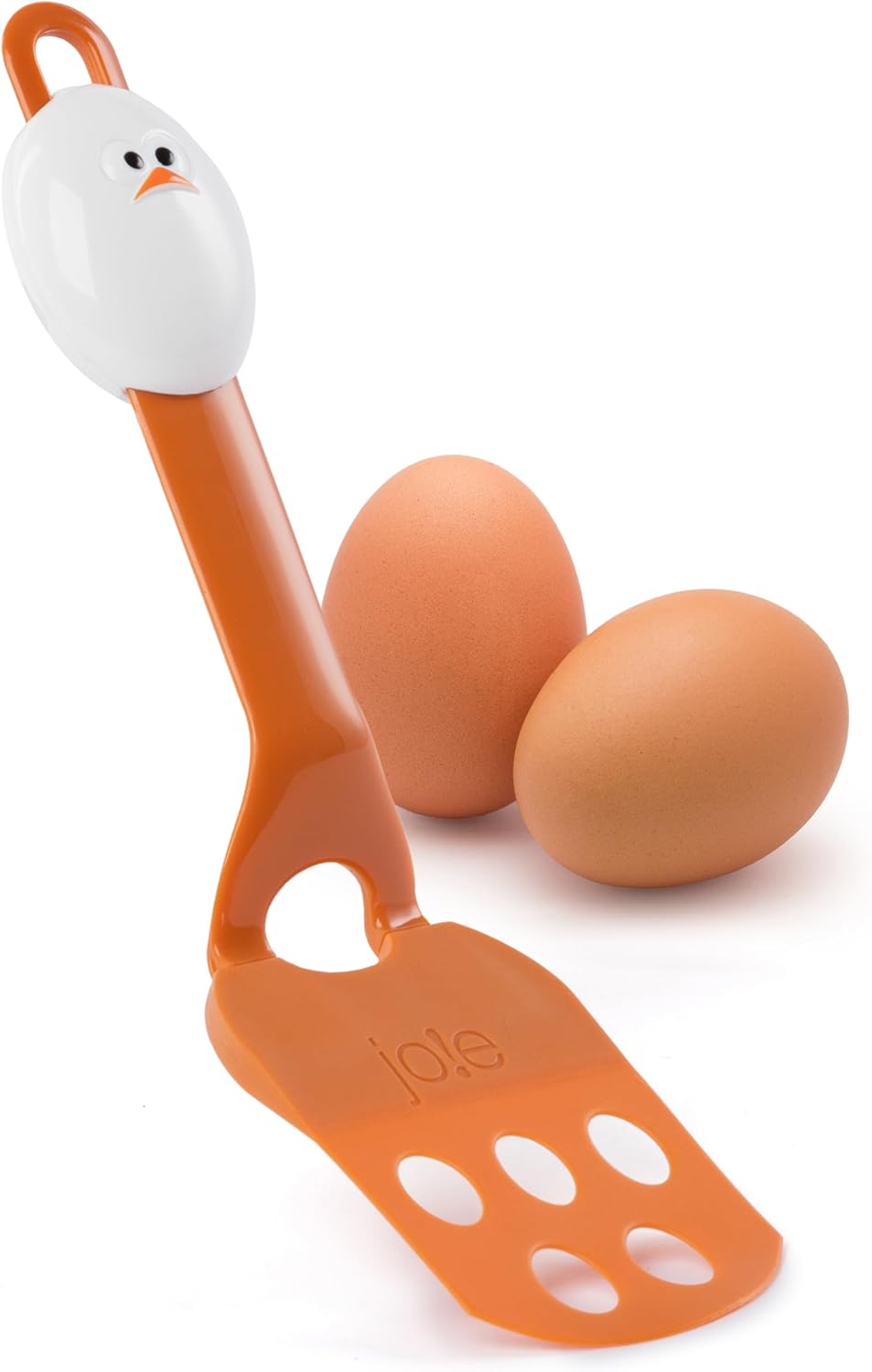
Finding the right tool to transfer breakfast items cleanly can completely change your morning cooking routine. Whether you are sliding a delicate sunny-side-up egg from a narrow skillet or folding a rich cheese omelet, having a specialized turner prevents broken yolks and messy pans. Modern kitchen tools feature various designs, from heat-resistant silicone to durable nylon, tailored to specific cookware surfaces and culinary tasks.
Selecting an appropriate flipper requires looking closely at dimensions, edge flexibility, and material composition. Non-stick pans demand soft edges that avoid scratching delicate coatings, while high-heat environments require robust thermal thresholds. By examining five distinct options available on the market, you can identify which design matches your skillet size, cooking style, and cleanup preferences without guessing.
As an Amazon Associate, StacyLaughs earns from qualifying purchases.
Buying guide
Material Selection For Cookware
Choosing the right material ensures your pots and pans remain scratch-free over years of daily breakfast preparation. Silicone options provide soft, pliable edges that protect delicate non-stick coatings from unsightly marks. These flexible materials bend gently against curved pan walls, ensuring you can retrieve every bit of food without damaging the underlying surface. Manufacturers often pair silicone with internal reinforcement cores for structural integrity.
Alternative materials like durable nylon offer a more rigid structure suited for standard pans, though they typically feature lower maximum thermal thresholds. Meanwhile, stainless steel cores add interior strength without exposing hard metal directly to your cookware bases. Evaluating your specific pan types helps determine whether soft silicone or rigid nylon serves your kitchen best.
Heat Resistance Ratings
Stovetop cooking temperatures vary widely depending on the recipe and burner intensity you utilize. High-heat resistant models can withstand extreme thermal levels up to six hundred degrees Fahrenheit, preventing accidental melting if left resting on hot pan edges. Standard nylon or lower-grade tools often max out around four hundred degrees, requiring much closer attention during searing or high-temperature frying tasks.
Checking the manufacturer temperature rating protects your utensils from warping or degrading prematurely. If you frequently cook on high heat or leave utensils resting in hot pans, selecting a high-threshold silicone model provides essential peace of mind. Matching the thermal specification to your cooking habits prevents unexpected kitchen accidents.
Edge Flexibility And Thickness
The thickness and flexibility of a flipper edge dictate how cleanly it slides under delicate items like sunny-side-up eggs or fragile crepes. Thin, tapered edges slip effortlessly beneath food without breaking soft yolks or folding delicate pancake batter awkwardly. Conversely, slightly thicker edges provide the rigidity needed to lift heavier burgers or large food portions securely from the pan surface.
Balancing flexibility with structural strength remains crucial for everyday kitchen efficiency. A completely floppy head fails to lift heavy items, while an overly stiff edge damages delicate breakfast foods. Assess your typical menu items to decide whether razor-thin flexibility or sturdy firmness matters more for your cooking style.
Handle Comfort And Materials
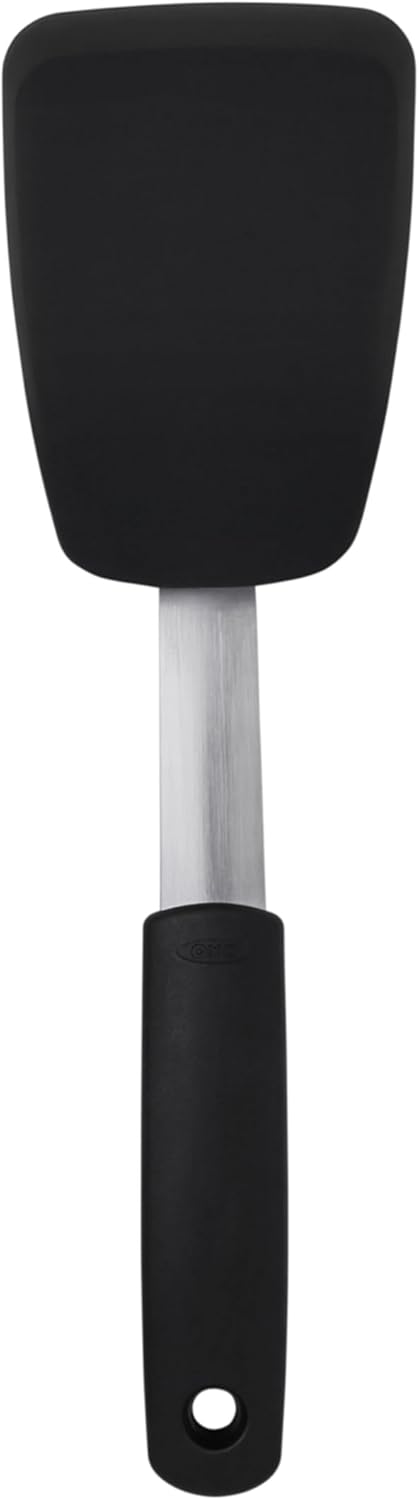
Ergonomic handle design directly influences your control and comfort during active stovetop sessions. Handles featuring soft, non-slip rubber or silicone grips prevent hand fatigue when flipping multiple batches of pancakes or eggs. Additionally, insulated handles protect your fingers from conducted heat when utensils rest against scorching hot skillet rims for extended periods during meal preparation.
Stainless steel cores embedded within handles add rigidity, preventing the tool from bending under heavy food loads. Look for secure bonding between the handle and the head to ensure long-term durability. A comfortable, well-balanced grip transforms routine breakfast flipping into a smooth and effortless kitchen experience.
Sizing For Specific Pans
Skillet dimensions play a major role in determining which spatula size will perform best on your stovetop. Narrow turners fit exceptionally well inside small frying pans or tight spaces without crowding adjacent food items. On the other hand, wide turners cover larger surface areas, making them ideal for flipping oversized omelets or multiple eggs simultaneously in family-sized pans.
Storage considerations also tie directly into tool dimensions, as compact models slip easily into crowded kitchen drawers. Matching the physical footprint of your turner to your most frequently used cookware ensures seamless maneuverability. Avoid oversized tools in tiny pans to prevent frustrating flipping mishaps.
Cleaning And Maintenance Methods
Ease of cleaning ensures your cooking tools remain hygienic and ready for daily use. Seamless silicone designs eliminate tiny cracks and crevices where grease and food particles typically accumulate during meal preparation. Many modern turners feature dishwasher-safe construction, allowing for effortless cleanup after greasy breakfast cooking sessions without requiring tedious hand scrubbing.
Hanging holes built into handles offer convenient vertical storage options, keeping your counters clutter-free and allowing utensils to air dry completely. Always follow manufacturer guidelines regarding cleaning methods and temperature exposure to preserve material integrity over time. Proper maintenance extends the functional lifespan of your kitchen tools significantly.
Frequently asked questions
Can silicone spatulas melt if left inside a hot frying pan?
Most high-quality silicone spatulas feature impressive heat resistance ratings, often withstanding temperatures up to four hundred or six hundred degrees Fahrenheit. This means they will not melt under normal stovetop cooking conditions if briefly left resting on a hot pan edge. However, exposing them directly to open flames or heating elements exceeding their specified maximum thermal threshold can still cause damage. Always verify the manufacturer heat limit and avoid leaving tools unattended in scorching pans for extended periods to ensure longevity.
Are silicone turners safe to use on non-stick cookware?
Yes, silicone turners are specifically designed to be gentle on non-stick pots and pans. Unlike metal utensils that can easily scratch or gouge delicate non-stick coatings, soft silicone edges glide smoothly across the surface. This protective quality makes them the ideal choice for flipping eggs, pancakes, and fish without ruining expensive cookware. Manufacturers engineer these tools to balance flexibility with a non-scratch profile, allowing you to scrape pans clean with complete confidence during meal preparation.
What is the benefit of a thin-edged egg spatula?
A thin-edged spatula offers superior precision when handling delicate foods like fried eggs, crepes, and omelets. The tapered blade slides effortlessly underneath runny yolks and fragile batter without tearing or folding them awkwardly. Standard, bulky turners often catch on the edges of delicate items, causing broken yolks and messy presentations. By utilizing a razor-thin profile, you can cleanly lift and flip delicate breakfast foods, ensuring professional-looking results right at home on your standard everyday stovetop skillets.
How should I clean and store my silicone egg spatula?
Cleaning a silicone spatula is typically straightforward, as many models feature dishwasher-safe construction for effortless maintenance. Seamless designs are especially convenient because they lack cracks where food debris can get trapped. For storage, many turners include a practical hanging hole in the handle, allowing you to mount them on kitchen racks to air dry and stay easily accessible. If washing by hand, warm soapy water and a standard sponge will remove grease quickly without harming the soft silicone material.
How do I choose between a wide turner and a narrow turner?
Choosing between a wide or narrow turner depends largely on your cookware size and the types of food you prepare. Wide turners excel at supporting large omelets, quesadillas, and multiple items simultaneously in spacious pans. Narrow turners work best inside compact skillets or when flipping single, delicate items like fried eggs where precision matters most. Assess your standard breakfast menu and skillet dimensions to determine which profile provides the best maneuverability and support for your specific everyday cooking routines.