Appliances · Buying Guide
Best Stainless Olive Oil Dispenser Options for Daily Kitchen Cooking
Choosing a stainless olive oil dispenser brings reliable durability and clean pouring to everyday cooking tasks in busy home kitchens. Unlike breakable glass alternatives, metal construction resists daily impacts while helping protect sensitive cooking oils from unwanted light exposure. These versatile kitchen containers handle everything from delicate finishing oils to everyday cooking vinegars with straightforward, practical utility.
Finding the right model involves looking at physical capacity, spout design, and handling comfort during frequent meal preparation sessions. Whether you prefer a compact container for the stovetop or a larger reservoir for bulk storage, various configurations match different kitchen layouts, counter spaces, and cooking routines efficiently. Each option offers distinct physical attributes tailored to specific culinary demands.
As an Amazon Associate, StacyLaughs earns from qualifying purchases.
Buying guide
Capacity and Volume Requirements
Selecting the right physical capacity depends heavily on your specific cooking habits and how frequently you prefer to refill your oil container. Smaller models holding around 15 to 17 ounces suit light daily seasoning and stovetop use perfectly without taking up excess room.
Larger reservoirs holding up to 34 ounces accommodate high-volume tasks like frying or batch meal preparation. Choosing a larger size reduces constant refilling interruptions but demands more physical space on your kitchen counter or inside storage cabinets during daily food prep routines.
Spout Design and Pour Control
The configuration of the pouring spout directly influences how cleanly oil flows from the container into your cookware. Models featuring anti-drip nozzles prevent oil from running down the exterior walls, keeping your hands and bottle clean. Vented spouts also help balance internal air pressure to ensure a smooth, steady stream without disruptive splashing.
Evaluating pour control mechanisms helps minimize accidental over-pouring during delicate seasoning tasks. A well-designed spout allows you to transition seamlessly from a thin stream to drops. Paying attention to these fluid dynamics ensures a tidier cooking environment and reduces wasted cooking oils across various meal preparation sessions.
Material Quality and Durability
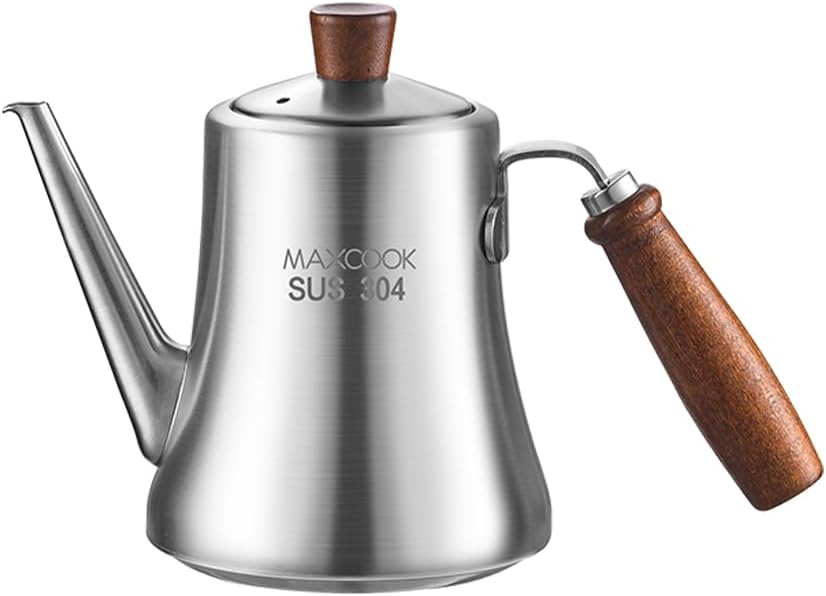
Construction materials dictate the long-term lifespan and structural resilience of your kitchen oil dispenser. Food-grade stainless steel, such as SUS304 or 18/8 grades, resists rust, corrosion, and everyday physical impacts far better than traditional glass containers. This rugged metal build protects sensitive oils from light exposure.
Premium metallic finishes also maintain their polished appearance through repeated handling in active cooking environments. Selecting a robust stainless steel build ensures your dispenser withstands accidental drops near the stove, providing dependable daily utility without cracking or shattering during busy meal preparation hours.
Handling Comfort and Ergonomics
Comfort during tilting and pouring is an essential factor when handling oil containers during extended cooking sessions. Ergonomic handles, whether formed directly from the metal body or attached via wooden grips, provide a stable handhold. A secure grip prevents slips when pouring oil into hot pans.
Evaluating the balance and weight distribution of a dispenser ensures comfortable handling during frequent kitchen tasks. Handles shaped to fit natural hand contours reduce fatigue. Matching the handle design to your grip preferences enhances overall control and safety around hot stovetops and busy cooking stations.
Cleaning and Maintenance Needs
Maintaining kitchen hygiene requires regular cleaning of oil storage containers to prevent sticky residue buildup over time. Reviewing manufacturer care instructions helps you determine whether a model supports automated dishwasher cycles or requires manual hand washing. Selecting the right maintenance routine fits your daily schedule.
Hand-wash-only models typically feature polished metal surfaces that rinse clean with warm soapy water and simple tools. Dishwasher-safe alternatives offer added convenience for busy households. Balancing your preference for automated cleanup against specific material care guidelines ensures long-lasting performance from your stainless dispenser.
Countertop and Cabinet Storage
Physical dimensions and height profiles determine how easily an oil dispenser fits into your kitchen storage layout. Compact models with lower heights slide effortlessly onto crowded shelves or sit neatly beside the stove. Taller designs require verifying vertical clearance before placement.
Assessing your available counter space and cabinet dimensions prevents storage frustrations after purchase. Wider bases offer stability against tipping but consume more surface area. Matching the physical footprint of the dispenser to your kitchen storage constraints ensures seamless integration into your daily cooking setup.
Frequently asked questions
Can these stainless steel dispensers hold liquids other than olive oil?
Yes, these stainless steel dispensers accommodate a wide variety of kitchen liquids beyond standard olive oil. You can store vegetable oil, canola oil, avocado oil, cooking vinegars, soy sauce, and cooking wines inside them without issue. The food-grade metal construction resists corrosion from various culinary liquids. However, remember to clean the container thoroughly when switching between different types of liquids to prevent flavor transfer and maintain optimal freshness during your cooking routines.
Are stainless steel oil dispensers better than glass bottles?
Stainless steel oil dispensers offer distinct advantages over glass bottles, primarily in terms of durability and light protection. Metal containers resist shattering if dropped on hard kitchen floors and block harmful light exposure that can degrade sensitive cooking oils over time. While glass allows you to see the remaining oil level easily, stainless steel options provide a sturdier physical build. Your choice depends entirely on whether you prioritize break-resistant durability or visual monitoring.
How do anti-drip spouts keep the bottle clean?
Anti-drip spouts utilize specialized engineering to cut off the oil flow cleanly at the tip once you stop pouring. This prevents residual oil from running down the exterior walls of the container, which eliminates sticky buildup on your countertops. Many models also incorporate integrated ventilation openings that balance internal air pressure. This pressure equalization promotes an even, uninterrupted stream while pouring, further reducing messy spills and drips around your active cooking station.
Do these dispensers require hand washing or can they go in the dishwasher?
Cleaning requirements vary depending on the specific model and manufacturer guidelines. Several stainless steel dispensers specify hand wash only care to preserve polished finishes or attached components like wooden handles. Other models explicitly state dishwasher-safe compatibility for automated cleanup convenience. Always check the individual product specifications before washing to ensure proper maintenance. Hand washing typically involves warm soapy water and a bottle brush to thoroughly clear residual oil from the interior reservoir.
Why do some oil dispensers include protective plugs or vents?
Protective plugs and ventilation openings serve important practical functions during everyday kitchen use. The protective plug covers the nozzle when the dispenser is not in active use, preventing dust or airborne particles from entering the bottle. Meanwhile, the ventilation opening balances air pressure inside the container as you tilt it. This pressure balance allows the oil to flow smoothly and consistently without sputtering or splashing, ensuring precise control when seasoning food in hot pans.