Appliances · Buying Guide
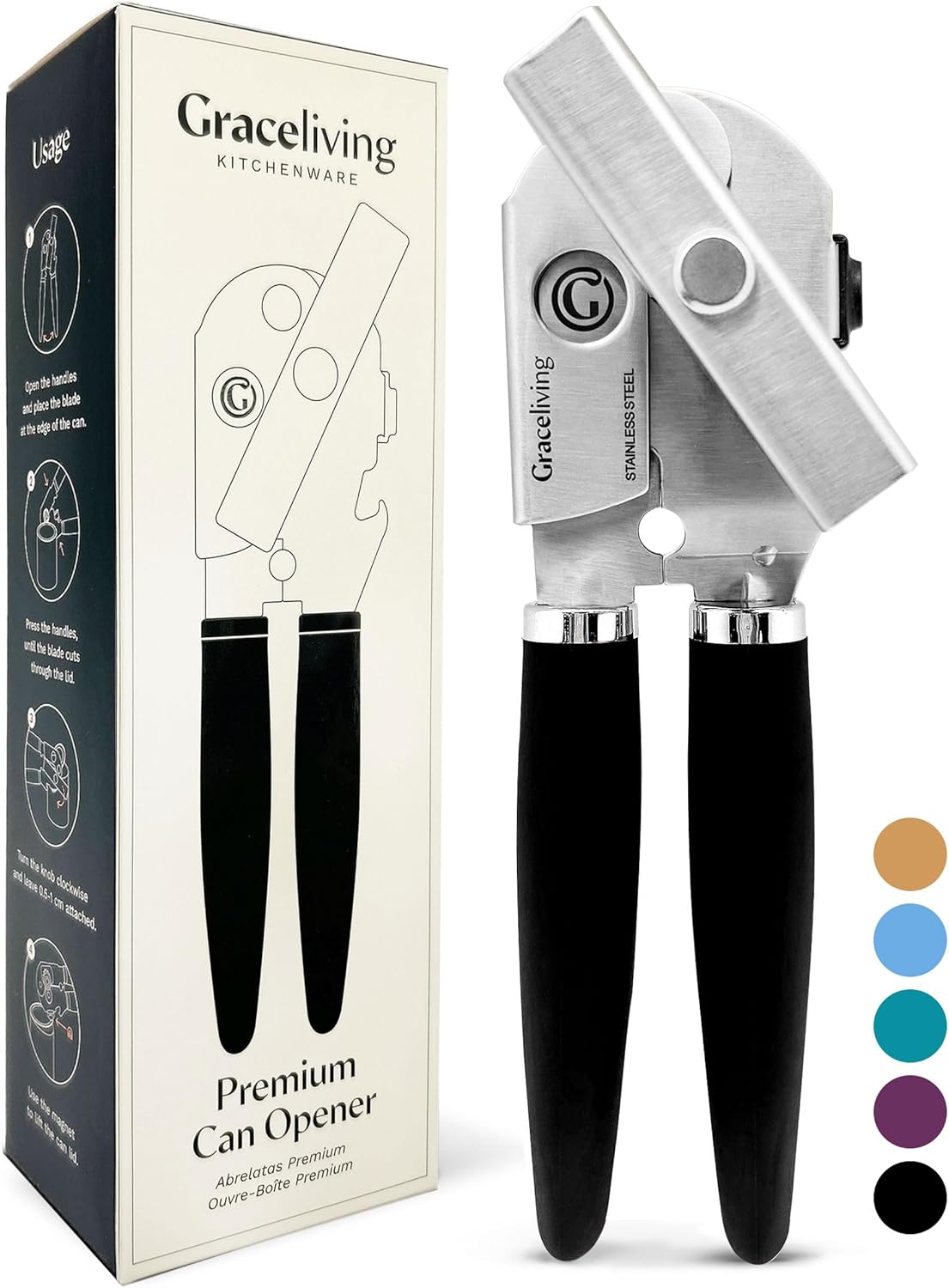
Best Stainless Steel Can Openers for Effortless Kitchen Prep
Finding the right tool for opening food cans and beverage bottles efficiently transforms everyday meal preparation in any busy home kitchen environment. A dependable stainless steel can opener offers robust rust resistance, sturdy mechanical components, and sharp cutting wheels designed to handle standard kitchen tasks without unnecessary hand strain or slipping during daily operation.
Whether you prefer a traditional side-cutting mechanism or a classic top-cutting tool equipped with an oversized turning knob, selecting a suitable model depends closely on your personal grip preference and available drawer storage space. Examining build materials, cleaning requirements, and handle ergonomics helps match a manual opener to your specific daily cooking habits and lifestyle preferences.
As an Amazon Associate, StacyLaughs earns from qualifying purchases.
Buying guide
Cutting Mechanism Types
Choosing between traditional top-cutting wheels and modern lateral seam-cutting styles depends heavily on your daily cooking preferences regarding edge safety and lid usability. Top-piercing models puncture the inner membrane of metal containers directly, creating a fast and familiar opening action that suits standard round food cans of various heights and thicknesses found in typical home pantries.
Alternatively, advanced side-cutting mechanisms slice cleanly through the outer seam of the container rather than pressing down directly on the top lid surface. This leaves smooth, unsharpened edges along both the container rim and the removed metal disc, allowing the lid to double as a convenient temporary cover for leftover food contents stored securely inside the refrigerator.
Handle Ergonomics and Grip Design
Hand comfort plays a vital role when selecting a manual kitchen tool, especially for everyday users who experience wrist strain or reduced hand strength during meal prep. Models featuring oversized turning knobs and cushioned silicone or rubber handles distribute pressure evenly across the palm during continuous operation, making tough metal cans easier to manage without discomfort.
Evaluating the thickness and exterior texture of the handle structure ensures you can maintain a secure hold even when hands are damp from washing dishes or cooking ingredients. Non-slip exterior materials prevent the metal tool from twisting awkwardly while turning the crank mechanism, making routine food preparation significantly safer and far more efficient overall.
Material Durability and Construction
High-quality stainless steel construction forms the absolute backbone of any dependable kitchen opener designed for frequent culinary tasks. Heavy-gauge metal effectively resists bending, structural warping, rust, and daily corrosion, ensuring that the utensil withstands frequent exposure to moisture, ambient kitchen humidity, and food acids over many years of regular use in busy household environments.
Inspecting the cutting blade material and internal gear alignment is equally important, because hardened stainless steel wheels maintain their sharp cutting edge significantly longer. Selecting sturdy gear assemblies prevents slipping, stripping, or jamming midway through opening large soup or vegetable cans, saving valuable time and reducing daily kitchen frustration entirely.
Cleaning and Maintenance Requirements
Proper maintenance keeps manual openers functioning smoothly and prevents sticky food residue buildup around the sharp cutting wheel and internal gear teeth. Reviewing whether a model is explicitly dishwasher safe or requires careful hand washing helps determine the daily upkeep effort required in your kitchen after finishing heavy meal preparation tasks and routine chores.
Some stainless steel tools demand thorough hand drying and the complete avoidance of prolonged water soaking to protect internal mechanical components from moisture damage over time. Adhering closely to these specific manufacturer care guidelines preserves both the protective surface finish and the smooth turning mechanics of the device over its entire operational lifespan.
Multifunction Capabilities
Many modern manual openers incorporate additional features, such as built-in bottle openers, to maximize utility while minimizing drawer clutter in compact kitchens. Combining two common kitchen tools into a single physical device saves valuable storage space in crowded kitchen utensil trays and reduces the total number of separate gadgets you need to keep organized every day.
Other advanced models include magnetic lid lifters that automatically secure severed metal discs securely away from food contents and countertops. These integrated accessories enhance overall kitchen hygiene and user safety, preventing accidental finger cuts when disposing of sharp container lids directly into the waste bin or recycling container after cooking.
Storage Footprint and Dimensions
Physical dimensions and overall weight influence how easily a manual opener fits into your existing kitchen storage layout, drawer organizers, and countertop caddies. Longer models measuring over eight inches provide greater leverage for turning cranks, but they require longer drawer compartments to rest flat without jamming against other stored utensils and culinary tools.
Tool width and handle bulkiness also dictate how comfortably an opener sits inside crowded drawer dividers or vertical caddy slots. Balancing physical size against desired turning leverage ensures you select a practical tool that integrates smoothly into your daily kitchen storage routine without creating frustrating clutter bottlenecks in the kitchen.
Frequently asked questions
What is the main difference between top-cutting and side-cutting can openers?
Top-cutting can openers use a vertical wheel that punctures the inner membrane of the container lid, leaving a sharp edge along the rim and removing the lid entirely. In contrast, side-cutting models utilize a lateral wheel that slices through the outer seam of the can. This leaves smooth, unsharpened edges along both the container rim and the detached lid, allowing the lid to be placed back on top as a temporary cover. Side-cutting designs prevent direct contact with food and reduce accidental cuts.
How should I clean and maintain a stainless steel manual can opener?
Maintenance depends on the specific manufacturer guidelines provided for each model. Many stainless steel openers are dishwasher safe for quick cleanup, while others require hand washing with warm soapy water followed by thorough hand drying to prevent moisture damage. You should avoid prolonged water soaking to protect internal gears and metal components from rust. Regularly wiping down the cutting wheel and gear teeth with a damp cloth also prevents sticky food residue buildup and ensures smooth turning mechanics.
Are ergonomic handles helpful for users with limited hand strength?
Yes, handles designed with soft-touch non-slip grips and oversized turning knobs significantly reduce hand strain and physical tension during operation. Oversized knobs provide better leverage, allowing users to turn the mechanism smoothly using natural hand motions rather than fighting against tight resistance. Cushioned silicone or thermoplastic rubber handles absorb pressure across the palm, making them an excellent choice for individuals who experience wrist discomfort or lower grip strength while opening standard food cans.
Do all stainless steel can openers include a built-in bottle opener?
Not all stainless steel can openers include a built-in bottle opener, though many popular models incorporate this feature as a convenient 2-in-1 multifunctional tool. The added bottle opening capability is typically built into the handle or head of the device, allowing users to pop open beverage caps easily while saving valuable space in kitchen drawers. When shopping for a new opener, reviewing the included components list helps verify whether a specific model offers this dual-purpose functionality.
Why do some manual can openers feature built-in magnets?
Manual can openers feature built-in magnets to provide touch-free lid removal and improved kitchen safety. As the cutting wheel finishes its rotation around the container, the powerful magnet automatically secures and lifts the severed metal lid away from the food contents and countertops. This hygienic design prevents your fingers from touching sharp edges and keeps the lid from falling back into the soup or vegetables, making disposal into the trash bin much safer and cleaner.