Appliances · Buying Guide
Best Stainless Steel Vegetable Slicer Options for Quick Meal Prep
Finding the right kitchen tool for daily meal preparation can completely transform how you handle routine cooking tasks. A quality stainless steel vegetable slicer offers lasting durability and reliable precision, cutting down the hours spent chopping onions, potatoes, carrots, and other firm produce by hand without relying on fragile plastic alternatives that crack over time.
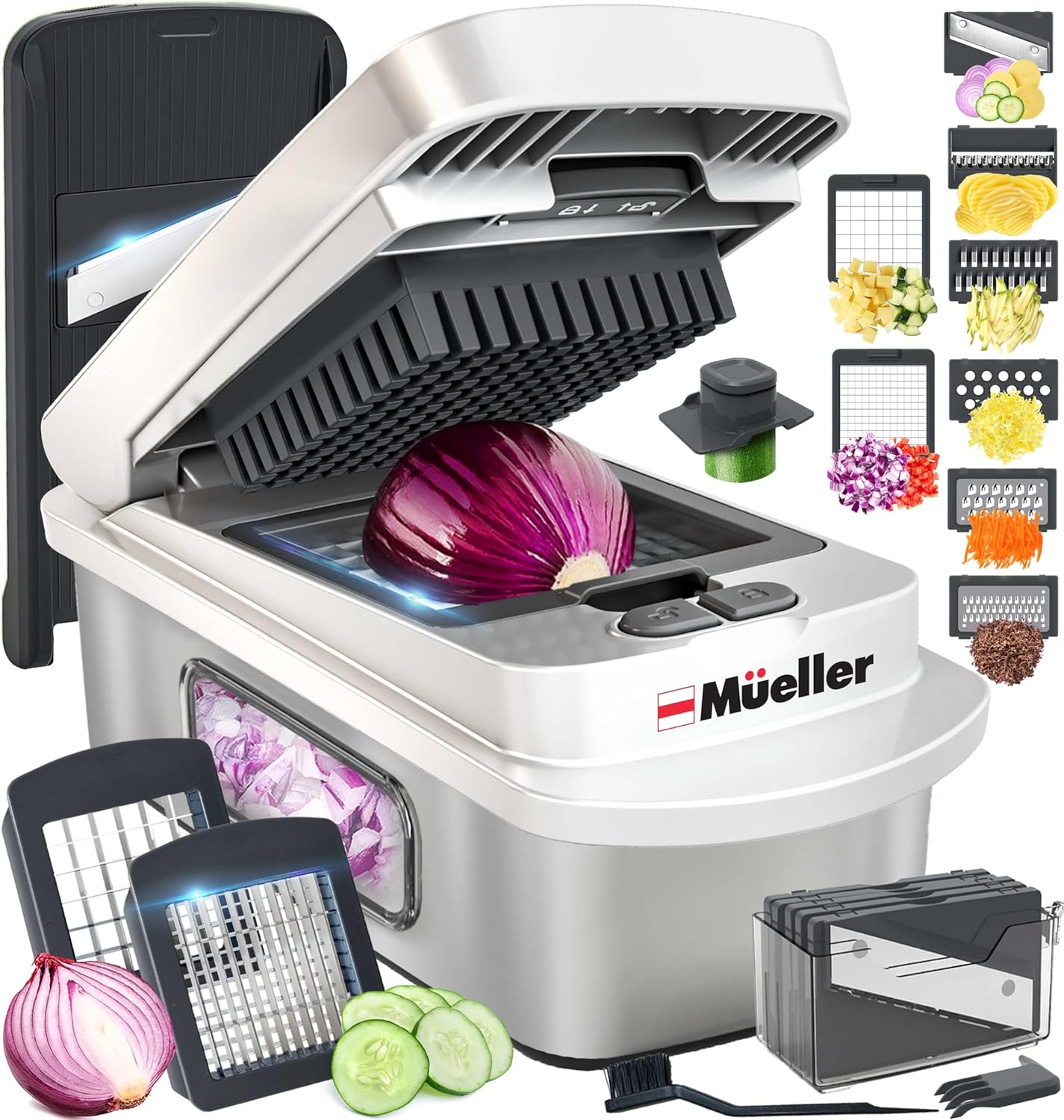
Whether you need compact handheld designs or multi-functional chopper setups featuring adjustable slicing thickness settings, these kitchen tools bring consistency to your daily routines. We examine five notable stainless steel options based on their actual specifications to help you choose the ideal slicer for your specific cooking needs and preferences.
As an Amazon Associate, StacyLaughs earns from qualifying purchases.
Buying guide
Material Quality and Durability
Choosing a kitchen slicing tool requires careful attention to the primary materials used in its construction. Stainless steel frames offer superior resistance to cracking, warping, and odor absorption compared to traditional plastic alternatives. When preparing high moisture or staining vegetables like tomatoes and carrots, metal surfaces maintain structural integrity and hygiene over years of regular use.
Reviewing the specific grade of metal and overall build quality ensures your investment withstands frequent dishwasher cycles and heavy manual pressure. Selecting sturdy construction prevents unwanted flexing during fast paced slicing sessions, keeping your daily food preparation cuts uniform and dependable.
Blade Design and Interchangeability
Understanding how a slicer handles different cutting styles influences your overall meal prep efficiency. Some models utilize interchangeable blade inserts that you swap manually for thin, thick, or julienne cuts. Other designs incorporate rotating cylinders or adjustable control knobs that modify the slice thickness instantly without requiring you to handle loose metal pieces.
Consider whether you prefer the flexibility of multiple physical inserts or the convenience of an integrated dial system. Each approach impacts how you store the attachments and how quickly you can transition between vegetable shapes during cooking.
Slicing Area and Dimensions
The physical surface area of the blade and deck dictates what kinds of produce you can easily process. Wider slicing decks accommodate larger potatoes, onions, and cabbages without requiring extensive pre-cutting. Meanwhile, compact handheld models offer streamlined footprints that slip into tight drawer spaces but require you to work with narrower produce sizes.
Evaluating your available storage space alongside typical ingredient sizes helps determine the right dimensional balance for your kitchen setup, ensuring efficient preparation without cluttering countertops.
Safety Mechanisms and Accessories
Kitchen mandolines feature extremely sharp blades that demand careful handling during food preparation tasks. Look for models that include protective food holders, pushers, and cut-resistant gloves to keep your fingers safely distanced from cutting edges. Built-in blade guards and locking mechanisms also help prevent accidental exposure when storing the device in crowded drawers or cabinets.
Reviewing included safety accessories ensures you can operate the slicing tool with confidence from day one, reducing potential risks during fast-paced cooking sessions.
Countertop Stability and Base Design
Maintaining a secure position on your kitchen counter is essential for safe and even slicing performance. Many stainless steel slicers incorporate non-slip rubber feet, silicone wraps, or foldable support stands to anchor the frame firmly during use. These stabilizing features prevent the unit from sliding or wobbling when applying downward pressure on firm root vegetables.
Assessing the base design helps you choose a model that remains steady on smooth surfaces, contributing to smoother, more controlled food preparation results every single time.
Cleanup and Maintenance Requirements
Keeping your vegetable slicer clean prevents food residue buildup and maintains long-term hygiene in the kitchen. Many stainless steel models feature dishwasher-safe construction, allowing you to place components directly on the top rack for effortless sanitization. Some units also include specialized cleaning brushes designed to safely clear trapped debris from tight blade angles.
Checking maintenance instructions ensures you select a tool that fits your preferred cleanup routine, whether washing by hand or utilizing automated kitchen appliances.
Frequently asked questions
Are stainless steel vegetable slicers dishwasher safe?
Many stainless steel vegetable slicers feature dishwasher-safe construction, allowing you to place the main frame and compatible components directly into the dishwasher for effortless cleanup. However, checking specific manufacturer care instructions is always recommended before running any kitchen tool through automated cycles. Using top-rack placement often helps protect delicate components and maintains the longevity of your slicer. If food residue remains trapped around blade edges, utilizing an included cleaning brush before washing ensures thorough removal of all lingering particles.
How do adjustable thickness settings work on mandoline slicers?
Adjustable mandoline slicers typically utilize a built-in thickness dial or a rotating cylinder control knob located on the side or underside of the frame. Turning this knob raises or lowers the slicing deck relative to the embedded blade, letting you select precise measurements ranging from paper-thin cuts up to thick slices or julienne strips. This integrated design eliminates the need to manually insert and remove loose blades, streamlining your food preparation tasks while reducing direct contact with sharp edges during routine cooking.
What safety precautions should I take when using a metal vegetable slicer?
Operating a vegetable slicer requires constant caution due to the exceptionally sharp nature of the blades. Always utilize the provided safety food holder or pusher to guide produce across the slicing deck, keeping your fingers safely away from the cutting edge. Wearing the included cut-resistant gloves offers an extra layer of handling assistance, though they do not replace careful operation. Ensuring your slicer rests on a stable, non-slip surface prevents unexpected movement while you prepare ingredients for your meals.
What is the difference between handheld slicers and multi-functional choppers?
Handheld slicers feature a slim, lightweight profile designed for quick slicing directly over bowls or cutting boards, offering easy storage in standard kitchen drawers. In contrast, multi-functional choppers typically incorporate a larger housing base equipped with an integrated food collection container and multiple grid inserts for dicing, chopping, and shredding. While handheld models maximize space-saving convenience, multi-functional chopper setups provide comprehensive food processing capabilities that capture prepped ingredients inside an attached box during busy cooking sessions.
Do stainless steel slicers resist rust and warping better than plastic models?
Stainless steel construction provides exceptional durability, making these slicers significantly more resistant to warping, cracking, and bending than traditional plastic alternatives. Premium metal frames maintain their structural integrity even when subjected to heavy pressure or frequent dishwasher cleaning cycles. Furthermore, stainless steel resists absorbing food odors and stubborn vegetable stains from ingredients like onions and carrots, ensuring long-term hygiene and a clean appearance that lasts throughout years of regular kitchen meal preparation tasks.