Appliances · Buying Guide
Best Swing-A-Way Can Opener Options for Every Kitchen Setup
Finding a reliable manual can opener is essential for daily kitchen routines, ensuring you can quickly access canned ingredients without frustration. Swing-A-Way has built a lasting reputation for offering dependable, manual tools crafted with robust steel construction and ergonomic designs to handle daily culinary tasks effortlessly across various household environments and cooking styles.
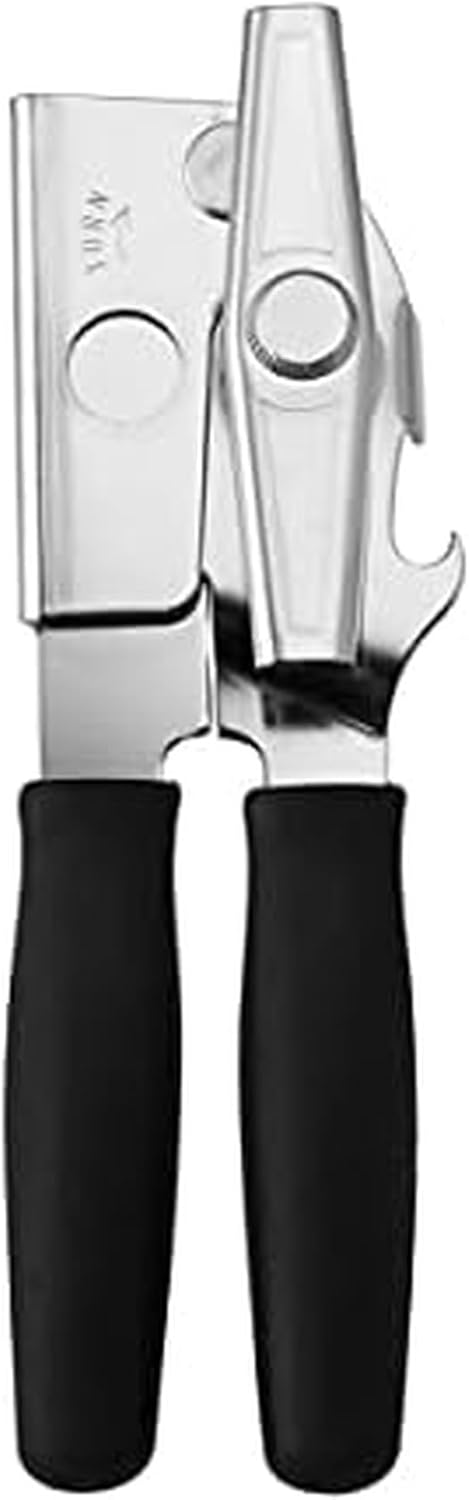
Whether you prefer a compact handheld model for easy drawer storage or an extended crank design for enhanced leverage, these traditional kitchen essentials focus strictly on functional mechanics. High-carbon cutting wheels and soft cushion grips define this lineup, offering distinct physical dimensions to match individual storage spaces and handling preferences in any kitchen setting.
As an Amazon Associate, StacyLaughs earns from qualifying purchases.
Buying guide
Evaluating Construction Materials and Steel Durability
Choosing a manual can opener starts with examining the body construction thoroughly. Models crafted entirely from steel offer exceptional resilience and long-term durability, easily withstanding the frequent demands of daily kitchen food preparation. These robust steel components prevent bending or flexing when tackling tough can tops, ensuring reliable structural integrity over years of regular household use.
While some product variations incorporate plastic elements for grip support, all-steel frames provide maximum robustness across the entire chassis. When selecting your tool, carefully consider how often you open canned goods and prioritize high-grade steel to guarantee enduring performance without premature wear or mechanical failure during routine culinary tasks in busy kitchens.
Understanding Handle Ergonomics and Cushion Grips
Hand comfort plays a vital role during operation, especially when dealing with stubborn lids or preparing multiple ingredients. Look for ergonomic designs featuring soft cushion grips that accommodate various hand sizes securely. Extra-long handles distribute pressure evenly across your palms, preventing the localized strain and discomfort often associated with rigid, bare metal handles found on traditional openers.
Cushion materials also enhance control by offering a non-slip surface during use. Assessing how the handle feels in your grip ensures safer operation and reduces hand fatigue, making daily kitchen tasks significantly more comfortable for every member of the household regardless of hand strength.
Comparing Handheld Knobs Versus Extended Crank Handles
Operating mechanisms significantly impact your opening experience. Traditional handheld models utilize a rotating steel knob that requires manual wrist rotation to advance the cutting wheel. While compact and intuitive, this motion requires baseline grip and wrist strength. In contrast, extended crank handles provide greater mechanical leverage, significantly reducing the physical effort needed to glide through tough can lids.
Your choice depends primarily on personal physical comfort and available storage space. Crank handles offer superior assistance for arthritic or strained hands, whereas standard knobs keep the overall tool footprint remarkably small and straightforward for minimalist kitchen drawers and rapid access.
Assessing Cutting Wheel Technology and Skip-Proof Performance
The cutting wheel is the true heart of any manual can opener. High-carbon steel wheels deliver exceptional sharpness, allowing the blade to glide smoothly across container tops without catching or stalling. Gear-driven mechanisms paired with skip-proof feeds ensure consistent traction, translating your manual turning motion into a continuous, fluid cut around the rim of the can.
Investing in a high-carbon cutting wheel prevents jagged edges and frustrating slips during food preparation. This precision engineering minimizes the physical force you need to apply, ensuring that even stubborn, heavy-gauge steel cans open cleanly and efficiently on the first try every single time.
Reviewing Storage Dimensions and Kitchen Space Requirements
Physical dimensions dictate how and where your can opener will live when not in active use. Compact handheld models measuring around seven to eight inches slip effortlessly into crowded utensil drawers or compact organizer trays. Conversely, extended crank models spanning over ten inches require more linear drawer space or specific hanging locations to accommodate their larger physical frames.
Evaluating your available kitchen storage before purchasing prevents clutter and ensures convenient access. If drawer space is at an absolute premium, prioritize compact designs. If maximum leverage matters more than a minimal footprint, allocate dedicated room for a folding crank option.
Following Proper Maintenance and Cleaning Guidelines
Maintaining your manual can opener properly guarantees long-term reliability and food safety. Most steel models require hand washing with warm water and a mild detergent rather than automated dishwasher cycles. Rinsing thoroughly and drying immediately after cleaning prevents moisture accumulation, protecting the high-carbon cutting wheel and steel body from rust or corrosion over extended periods of household use.
Adhering strictly to manufacturer maintenance recommendations preserves the sharpness of the cutting wheel and the integrity of cushion grips. Taking a few extra moments to hand-wash and dry your tool after every use ensures it remains a dependable kitchen staple for years.
Frequently asked questions
Are Swing-A-Way can openers dishwasher safe?
Manufacturer guidance explicitly recommends hand-washing these steel can openers with warm water and a mild detergent rather than placing them in an automated dishwasher. After washing, you should rinse the tool thoroughly and dry it immediately to protect the high-carbon cutting wheel and steel body from moisture damage. Submerging or exposing these steel components to harsh dishwasher cycles can compromise their protective finish and accelerate rust formation, meaning manual cleaning is essential for preserving long-term durability.
What is the difference between a compact handheld model and an extended crank model?
Compact handheld models typically measure around seven to eight inches and rely on a traditional rotating steel knob that requires manual wrist turning. They offer a space-saving design that fits easily in any drawer. In contrast, extended crank models span over ten inches and feature an extra-long folding crank handle designed to provide superior mechanical leverage. This crank mechanism significantly reduces hand strain and physical effort when opening tough can tops, though it requires more linear storage space in your kitchen.
Do these can openers include any extra utility features?
Many models in this lineup incorporate a convenient built-in bottle opener located directly on the side of the tool body. This secondary feature allows you to quickly and easily remove bottle caps without needing to retrieve a separate kitchen gadget. While the primary focus remains on smooth, skip-proof can opening with high-carbon cutting wheels and ergonomic cushion grips, this built-in bottle opener provides added everyday versatility for opening bottled beverages during meal preparation or casual gatherings.
How do high-carbon cutting wheels improve performance?
High-carbon cutting wheels offer exceptional sharpness and durability compared to standard blades. This enhanced material quality allows the wheel to glide smoothly and effortlessly across the tops of cans. When paired with gear-driven mechanisms and skip-proof feeds, the high-carbon blade maintains consistent contact with the container rim. This precision engineering minimizes the physical force you need to apply during rotation, ensuring clean, efficient cuts and preventing the wheel from slipping off track while opening canned goods.
How should I choose the right size can opener for my kitchen?
Choosing the right size depends on balancing your storage space availability with your physical handling needs. If you have limited drawer space and prefer a lightweight tool for quick tasks, a seven or eight-inch portable handheld model provides an ideal space-saving solution. If you frequently open tough cans and experience hand fatigue, an extended ten-inch model with a folding crank handle offers the necessary leverage and ergonomic comfort, provided you have adequate drawer room for storage.