Appliances · Buying Guide
Best Swing Away Can Opener Vintage Choices for Classic Kitchen Reliability
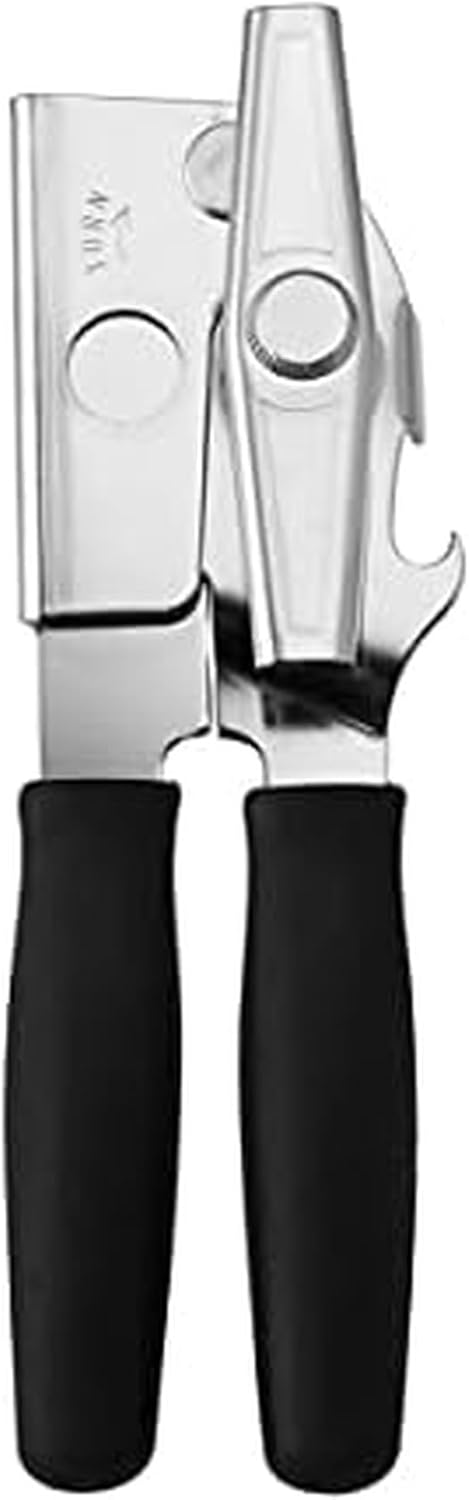
Selecting a dependable manual tool for opening food containers often leads home cooks back to traditional designs. A swing away can opener vintage style brings time-tested mechanics to modern kitchens without relying on motorized parts or electrical cords. These practical devices use manual rotation and specialized cutting wheels to separate container lids with steady friction control during meal prep.
Exploring these classic options reveals various configurations featuring all-steel bodies, high-carbon cutting edges, and integrated bottle openers for dual functionality. Whether handling everyday meal prep or organizing compact storage drawers, understanding the physical dimensions, handle construction, and operation modes helps match a traditional opener to daily household routines and preferences.
As an Amazon Associate, StacyLaughs earns from qualifying purchases.
Buying guide
Evaluating Handle Ergonomics and Grip Comfort
Choosing a manual container tool requires examining how the handle fits your hand during repetitive kitchen tasks. Models featuring soft-cushion grips help absorb pressure, making them highly suitable for users with varying hand sizes. Ergonomic designs reduce physical strain significantly during daily food preparation routines in busy home environments where comfort matters most for everyone involved.
Extra-long crank handles provide additional mechanical leverage, helping to further minimize wrist fatigue when opening multiple containers in a single session. Evaluating grip texture, handle length, and cushion thickness ensures you select a device that prioritizes user comfort without sacrificing precise control over the high-carbon cutting wheel during daily kitchen operation.
Understanding Cutting Wheel Materials and Performance
The cutting wheel serves as the primary component for separating metal lids from food containers efficiently and safely. High-carbon steel blades offer superior sharpness, allowing the mechanism to glide smoothly across rims without slipping or jamming mid-cut. Skip-proof feeds maintain steady traction even on challenging container surfaces during everyday meal preparation tasks in busy kitchens.
Selecting a model with a sharpened carbon steel wheel ensures long-term reliability and consistent performance across various container brands and sizes. Gear-driven systems further enhance cutting power, enabling smooth operation even when handling containers that feature minor dents or slightly irregular edge profiles from transport or storage conditions in pantries.
Assessing Storage Dimensions and Folding Features
Kitchen drawer space often dictates which physical size of manual tool fits best into your setup. Compact 7-inch models slide easily into shallow organizers, while slightly longer 8.5-inch or 8.6-inch variants provide extended reach during operation. Measuring your available drawer dimensions prevents storage friction before finalizing any purchase decision for your home kitchen environment.
Certain designs incorporate folding crank handles that collapse downward, significantly reducing the storage footprint inside crowded utensil trays and storage bins. This clever folding capability combines the benefits of a longer operating handle with the space-saving convenience required for minimalist kitchen drawer organization strategies used by modern home cooks everywhere today.
Managing Maintenance and Hand Washing Requirements
Maintaining the longevity of an all-steel manual opener requires adhering closely to recommended product care guidelines provided by makers. Most manufacturers specify hand washing with warm water and mild detergent rather than submerging the tool in automated dishwashers. Prompt rinsing removes corrosive food acids effectively to protect the metal finish from damage during cleaning.
Drying the cutting wheel and steel components immediately after washing prevents moisture accumulation and potential rust formation over extended periods of daily use. Establishing a quick post-wash drying routine protects the high-carbon blade, ensuring smooth mechanical operation and preserving the overall quality of your manual kitchen tool for years of reliable residential service.
Comparing Steel Construction and Overall Weight
All-steel construction provides exceptional resilience and structural durability for frequent kitchen tasks. Unlike plastic alternatives, steel frames withstand heavy twisting forces without cracking or bending under pressure during operation. However, this robust material profile adds physical weight, ranging from lightweight 7-inch models to heavier 0.27 kg heavy-duty variants designed for demanding residential cooking environments today.
Balancing weight against durability helps determine which tool fits your personal physical preferences. Heavier models offer superior leverage and stability during tough cutting sessions, while lighter options reduce arm fatigue during storage retrieval and transport phases for camping or casual outdoor food preparation activities where minimalism matters most.
Integrating Multi-Use Bottle Openers into Routines
Many traditional manual openers feature a built-in bottle opener integrated directly into the side or frame of the tool. This convenient 2-in-1 functionality eliminates the need for separate gadgets, saving valuable drawer space and keeping beverage access close at hand during social gatherings or casual family meals at home or outdoors.
Having a secondary tool built into your container opener streamlines kitchen tool organization significantly. Whether removing metal caps from glass beverage bottles or opening pantry goods, this dual-purpose design enhances overall convenience without adding extra clutter to your utensil caddy or crowded storage drawers in the busy kitchen environment.
Frequently asked questions
How do I clean and maintain a steel manual container opener?
Maintaining a steel manual container opener involves hand washing the device using warm water and a mild dish detergent. Avoid placing the tool in an automated dishwasher, as harsh detergents and prolonged moisture exposure can damage the metal finish. After washing, rinse the opener thoroughly and dry it immediately with a clean towel to prevent rust formation on the high-carbon cutting wheel and steel frame. Storing the tool in a dry drawer ensures long-term operational reliability and protects the mechanical components from premature wear.
Are swing-away models suitable for individuals with reduced hand strength?
Many swing-away models feature ergonomic handles with soft-cushion grips and wide turning knobs designed to accommodate users with reduced hand strength. The gear-driven cutting wheels and high-carbon blades glide smoothly across container rims, requiring minimal physical effort to rotate the crank. Additionally, options with extra-long handles provide enhanced mechanical leverage, making the opening process much easier and more comfortable for individuals who experience hand fatigue or discomfort during repetitive kitchen food preparation tasks.
What advantages do high-carbon cutting wheels offer over standard blades?
High-carbon cutting wheels provide exceptional sharpness and cutting precision compared to standard metal blades. This advanced material allows the opener to glide smoothly through container rims with a skip-proof feed that prevents slipping or jamming during operation. High-carbon edges maintain their sharp cutting performance over extensive use periods, effortlessly handling standard food containers as well as challenging items with dented surfaces, ensuring reliable results for home cooks during daily meal preparation tasks.
Can these manual openers handle dented containers effectively?
Yes, robust all-steel models equipped with sharpened high-carbon cutting wheels and gear-driven mechanisms are specifically designed to handle dented containers effectively. The specialized gear-driven feed maintains steady traction along the rim, allowing the blade to cut through irregularities and warped metal surfaces smoothly without getting stuck. This capability makes classic manual openers reliable tools in situations where compromised packaging might cause basic stamped-steel or motorized devices to fail or skip.
Why choose a folding handle design over a fixed-arm opener?
Choosing a folding handle design offers significant space-saving advantages for kitchen organization. The crank handle collapses downward when not in use, reducing the overall storage footprint of the tool so it fits easily inside shallow drawers, compact utensil trays, or crowded kitchen carts. While fixed-arm models provide rigid stability, folding versions combine the extended leverage benefits of a longer handle with enhanced storage flexibility, making them ideal for kitchens with limited drawer space.