Appliances · Buying Guide
Best Tea Strainer With Drip Bowl Options For Loose Leaf Brewing
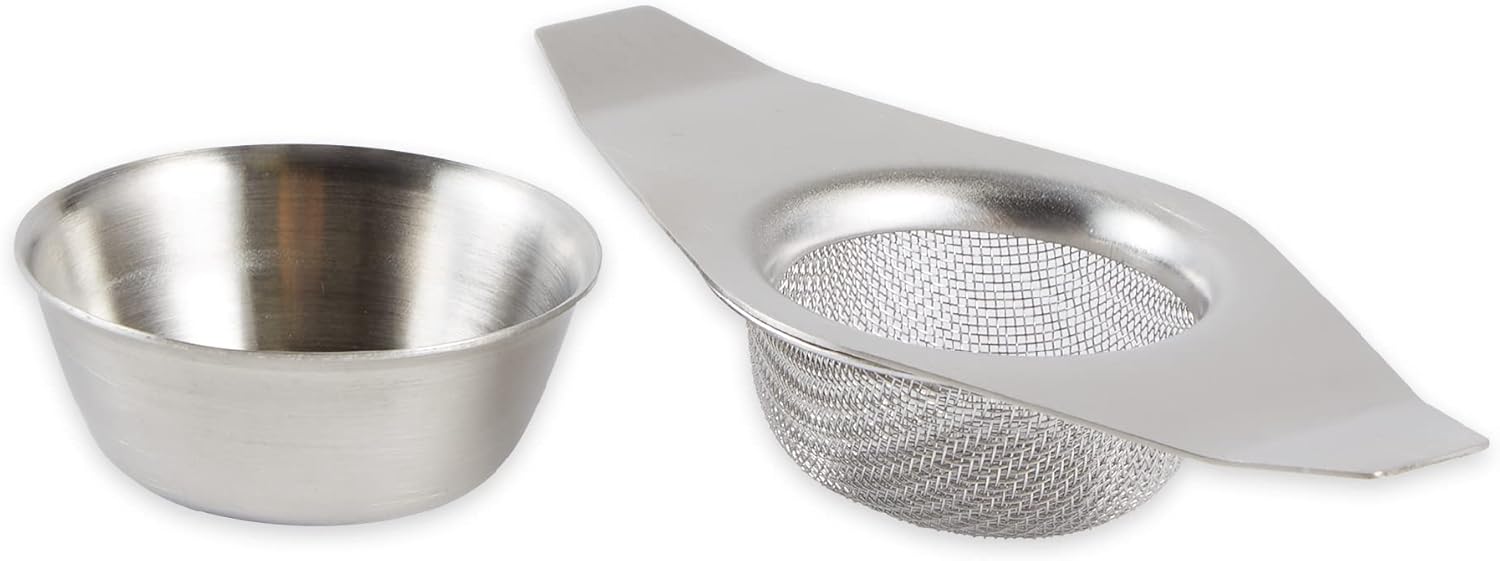
Enjoying loose leaf tea at home requires the right tools to capture delicate botanical flavors while keeping stray leaves completely out of your cup. A tea strainer paired with a dedicated drip bowl offers a remarkably tidy solution for both steeping your favorite loose leaves and safely resting your infuser between pours without creating any messy counter rings.
Whether you prefer classic stainless steel builds featuring double winged handles or traditional ceramic craftsmanship with hand-painted patterns, these accessories simplify daily brewing routines. Carefully evaluating materials, handle styles, and cup mouth compatibility ensures you select an option that fits your daily drinkware collection seamlessly.
As an Amazon Associate, StacyLaughs earns from qualifying purchases.
Buying guide
Material Selection and Durability
Selecting the right material for your tea strainer impacts both longevity and daily maintenance. Stainless steel options, particularly 304 and 18/8 grades, offer high structural hardness, rust resistance, and resilience against bending during frequent use. They handle hot water safely and withstand repeated wash cycles without degrading.
Ceramic alternatives provide a traditional aesthetic, often utilizing handcrafted glazes and artistic finishes. While ceramic models bring unique visual charm to tea ceremonies, they require more careful handling to prevent chipping compared to metal variants. Weighing your preference for industrial durability against classic artisanal appearance helps guide your final decision.
Mesh Density and Filtration Performance
The primary functional goal of any tea strainer is keeping loose botanical fragments out of your finished beverage. Extra-fine mesh designs and precision-drilled ceramic pores successfully capture tiny particles, herbal dust, and broken leaf debris. This level of filtration ensures a smooth, grit-free sip whether you are brewing fine green teas or robust black varieties.
Standard mesh screens work adequately for larger whole-leaf teas like oolongs or large-cut herbal blends. However, ultra-fine pores are necessary if you frequently brew finely crushed herbal infusions or spiced seasonings. Matching the filter mesh density to your preferred tea types prevents frustrating sediment buildup at the bottom of your favorite cup.
Handle Styles and Heat Protection
Handling a hot tea infuser safely requires thoughtful handle ergonomics. Double winged handles, frequently styled with decorative crown patterns, provide balanced support across both sides of a mug rim. This symmetry helps protect your fingers from scalding steam and hot container walls when lifting the strainer after steeping.
Long single handles offer an alternative approach by allowing you to hang the strainer securely on the side of a cup or teapot. This style simplifies placement and removal without requiring you to pinch narrow rims directly. Evaluating how handle configurations align with your hand comfort and mug design improves everyday usability.
Drip Bowl Integration and Countertop Cleanliness
Managing wet tea leaves after steeping can quickly create sticky rings on kitchen counters or coffee tables. Strainers equipped with dedicated drip bowls or trays provide an instant resting place for the used infuser. These paired accessories catch residual moisture and stray droplets, keeping your serving surfaces spotless throughout your tea break.
Considering whether the drip bowl offers a stable base or a hanging drop cup influences your workflow. Separate ceramic bases and metal trays accommodate different strainer shapes while securing stray liquid effectively. Ensuring your chosen set includes a well-fitted drip vessel eliminates the need for improvised paper towels or saucers.
Cup Mouth Compatibility and Sizing
A tea strainer must fit securely over your drinkware without slipping inside the liquid or resting too precariously. Most standard strainers accommodate cup mouths ranging from 2.5 to 4 inches in diameter. Measuring your primary mugs, teapots, and gongfu fair cups ensures the strainer sits stably across the top rim during pouring.
Rectangular baskets, round rims, and specialized ceramic filters each interact differently with container openings. Wide rims demand wider filter bodies, while narrow mugs require compact resting ledges to stay balanced. Verifying dimensions beforehand prevents stability issues and ensures a snug fit across your existing drinkware collection.
Cleaning and Maintenance Requirements
Maintaining your tea strainer keeps it free from tannin stains and lingering herbal odors over time. Stainless steel units often support dishwasher cleaning or quick hand rinses due to their non-porous metal surfaces. Following manufacturer care instructions preserves the finish and ensures hygienic readiness for your next brewing session.
Ceramic strainers with hand-painted artwork typically require gentle hand washing with warm water to protect decorative glazes. Avoiding harsh scrubbers prevents surface scratches on both ceramic glazes and polished metal mesh. Selecting a maintenance routine that matches your daily schedule ensures your tea accessories remain pristine for years.
Frequently asked questions
What is the purpose of the included drip bowl?
The included drip bowl provides a clean, dedicated resting place for your tea strainer immediately after steeping is complete. Once you finish pouring hot water through the loose leaves and remove the filter from your cup, placing the wet strainer into the bowl catches stray liquid and residual droplets. This simple accessory prevents messy spills and sticky rings on your kitchen counter, dining table, or office desk, keeping your serving area tidy throughout your tea-drinking experience without needing extra saucers.
Will these tea strainers fit my favorite coffee mugs?
Most standard tea strainers are designed with resting ledges, double winged handles, or long arms that accommodate cup mouths ranging from 2.5 to 4 inches in diameter. They fit securely across the top rims of typical mugs, teacups, and small teapots. However, exceptionally wide bowls or unusually narrow espresso cups may require specific sizing checks. Reviewing the stated dimensions of both your drinkware and the strainer ensures a stable fit that prevents the basket from slipping into your hot beverage.
How do I clean and maintain stainless steel versus ceramic strainers?
Stainless steel strainers are generally robust and frequently dishwasher-safe, allowing for straightforward cleaning in top dishwasher racks or quick hand washes with warm soapy water. Ceramic strainers, especially those featuring delicate hand-painted artwork or special glazes, typically require gentle hand washing to preserve their decorative finish. Avoiding abrasive scrubbers on either material prevents scratching. Always follow specific manufacturer care guidelines to keep your metal mesh or ceramic pores clear of tannin buildup and staining over time.
Can I use these strainers for loose leaf tea and spices?
Yes, these strainers are highly versatile and suitable for more than just traditional loose leaf tea. The fine mesh screens and precision pores effectively catch fine herbal particles, loose botanical leaves, mulling spices, and culinary seasonings. When steeping spiced infusions or herbal teas directly in your mug, the fine filter traps solid ingredients while allowing rich flavors to infuse your liquid. This multi-use capability makes tea strainers practical additions to everyday kitchen tasks beyond standard morning tea brewing routines.
Do double winged handles protect against heat?
Double winged handles are specifically designed to sit across the rim of your cup while providing stable grip points that keep your fingers safely elevated away from hot steam and boiling water container walls. While stainless steel can conduct heat if left exposed to boiling water for extended periods, the extended wing design minimizes direct contact with scalding surfaces during normal lifting. This makes it much easier to remove the filter promptly after steeping without risking burned fingers or accidentally knocking the basket into your brew.