Appliances · Buying Guide
Best Can Opener Choices for Smooth Edges and Easy Grips
Finding the best can opener for your kitchen depends heavily on whether you prefer manual control or electric operation. Different models offer various mechanisms, such as traditional cutting wheels or side-cutting designs that leave smooth edges on both the lid and the container. Evaluating your daily food preparation habits helps narrow down the choices.
Material choices, handle ergonomics, and size dimensions also play crucial roles in everyday usability. Some designs incorporate oversized turning knobs or soft-grip handles to minimize hand strain, making them accessible for users with limited grip strength. Reviewing the physical attributes of each option ensures you select a kitchen tool that matches your specific preparation needs and storage space.
As an Amazon Associate, StacyLaughs earns from qualifying purchases.
Buying guide
Operation Modes: Manual vs Electric
Choosing between manual and electric can openers depends entirely on your kitchen setup, storage availability, and physical preferences. Traditional manual models offer complete portability and direct mechanical control, allowing you to use them anywhere without needing an electrical outlet or counter space. They rely on hand strength and wrist movement to rotate the cutting wheel smoothly around the container rim.
Electric models provide automated convenience, frequently operating with a single touch or push-down lever mechanism. These countertop appliances eliminate physical strain, making them exceptionally suitable for busy kitchens or individuals with limited hand mobility. However, they require permanent counter space allocation and direct access to an electrical power source during daily food preparation tasks.
Cutting Mechanisms: Standard vs Side-Cut
The cutting mechanism significantly affects both the safety of the opened container and your overall food preparation experience. Traditional top-cutting wheels pierce downward directly into the lid, frequently leaving sharp metal edges on both the opened can and the detached cover. Users must handle these sharp rims with extreme caution during cleanup and food disposal tasks.
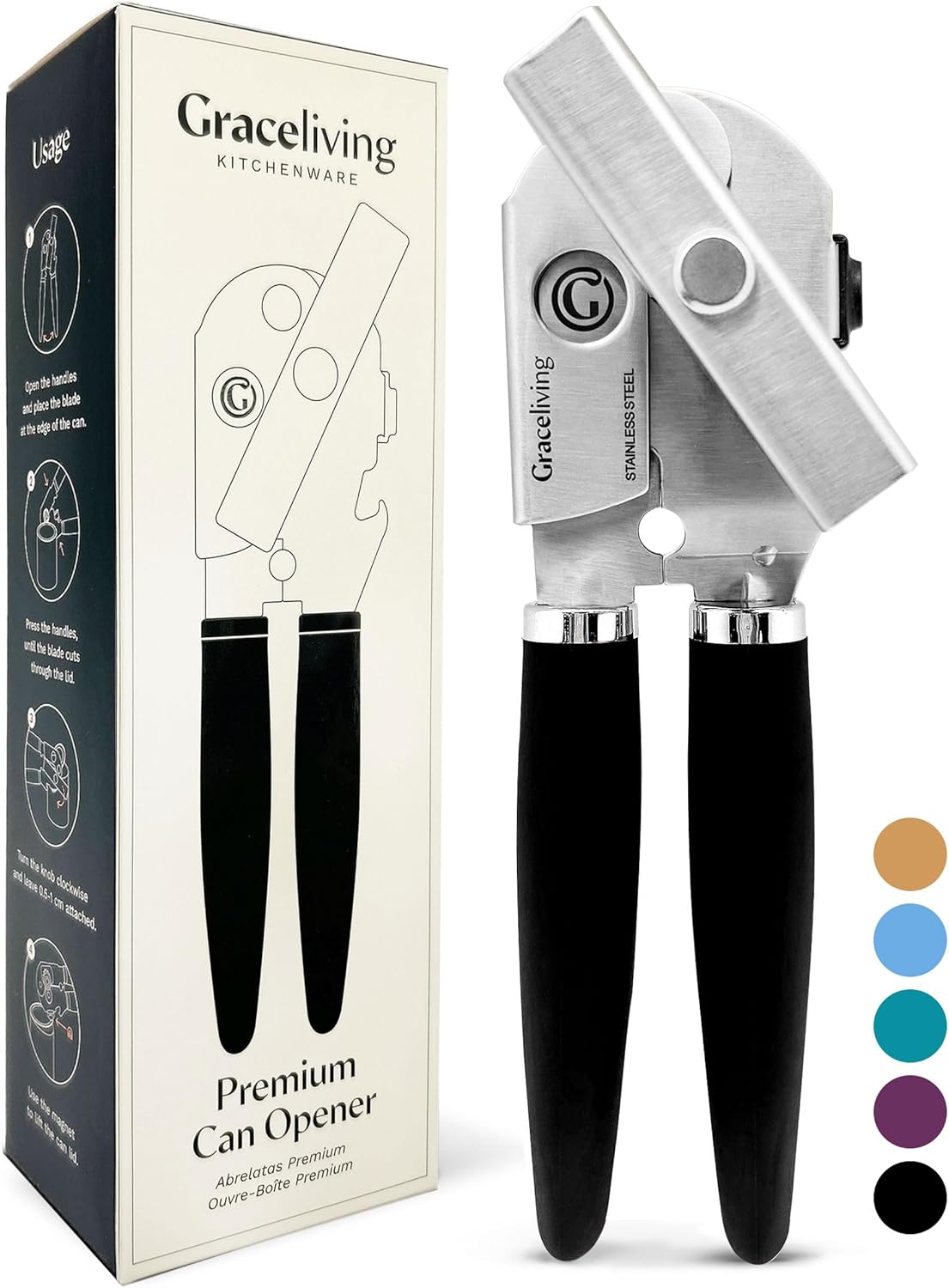
Modern side-cutting mechanisms slice cleanly along the outer perimeter of the container rim. This specialized design leaves smooth, touchable edges on both the remaining can and the lid, greatly reducing accidental finger cuts. Many side-cutting tools also feature integrated magnets or gripping pliers to lift the separated lid cleanly away from the contents.
Ergonomics and Handle Design
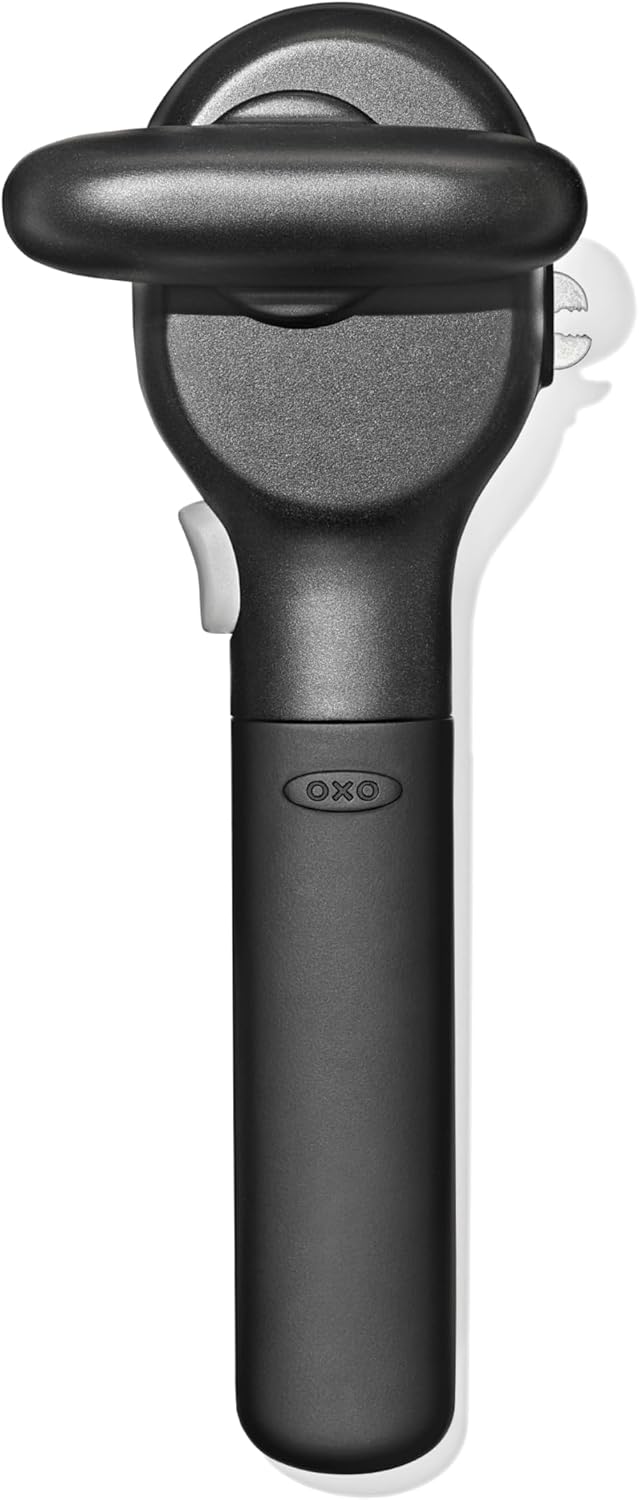
Handle comfort is a vital factor when evaluating manual can openers for everyday kitchen tasks and meal preparation. Models featuring oversized, soft-touch ergonomic grips help distribute pressure evenly across your hand, significantly reducing muscle strain and fatigue. This thoughtful design aspect is particularly beneficial for users experiencing arthritis or limited hand strength during daily cooking routines.
In contrast, narrow metal handles or rigid plastic bars can dig uncomfortably into palms during difficult container cuts. Look for textured, non-slip surfaces that ensure a secure hold even when your hands are wet or greasy from cooking ingredients. Evaluating handle dimensions and shape ensures comfortable, stable operation during extended cooking sessions and busy kitchen hours.
Materials and Durability Factors
Construction materials directly influence the longevity and daily reliability of your chosen can opener. Premium stainless steel components provide excellent rust resistance and robust cutting performance, maintaining sharp wheel edges through frequent kitchen use. Reinforced internal metal gears ensure the mechanical parts operate smoothly without stripping or jamming over extended periods.
Plastic housings and exterior handles should feature durable, impact-resistant formulations to withstand regular kitchen drops and countertop bumps. While stainless steel models frequently require careful hand washing to preserve their polished finish, they offer superior structural durability compared to lightweight alternatives, minimizing the need for frequent product replacements and reducing household waste.
Storage and Countertop Footprint
Carefully consider your available kitchen storage space before selecting a bulky countertop electric appliance or a compact handheld tool. Electric can openers demand permanent vertical clearance and dedicated counter space, making them less ideal for tiny kitchens or crowded food preparation areas where surface room is strictly limited.
Manual handheld models offer superior spatial flexibility, slipping easily into standard kitchen drawers or hanging conveniently from wall utility racks. Assessing your kitchen layout, cabinet dimensions, and drawer capacity ensures that the chosen tool integrates seamlessly into your existing storage arrangements without causing unnecessary countertop clutter during your daily food preparation routines.
Maintenance and Cleaning Requirements
Proper maintenance and cleaning routines help maintain the long-term hygiene and mechanical performance of your can opener over extended periods of frequent kitchen use. Many stainless steel manual openers require careful hand washing and thorough drying to prevent moisture buildup and preserve their cutting wheel sharpness across countless meal preparations.
Electric countertop models often feature removable lever assemblies or magnetic components that require careful wiping with a damp cloth rather than full water submersion. Following specific manufacturer cleaning guidelines prevents stubborn food residue accumulation around the blade housing area, ensuring safe, hygienic, and sanitary operation for all future cooking tasks, snacks, and recipes.
Frequently asked questions
How do I choose between a manual and an electric can opener?
Choosing between a manual and an electric can opener depends on your physical strength, kitchen space, and cooking habits. Manual models offer complete portability and do not require electricity, making them ideal for small kitchens, travel, or quick tasks. However, they require physical hand strength to turn the knob. Electric models provide one-touch automated operation that minimizes wrist strain, making them great for users with arthritis. However, they demand permanent countertop space and an electrical outlet.
What is the difference between top-cutting and side-cutting can openers?
The main difference lies in where the blade engages the container and the edge it leaves behind. Traditional top-cutting openers pierce down into the lid, creating a sharp rim on both the opened can and the removed cover, requiring careful handling. Side-cutting models slice along the outer perimeter of the rim instead. This design leaves smooth, touchable edges on both surfaces, significantly reducing accidental cuts during food preparation and disposal tasks.
Can electric can openers handle pop-top cans?
Yes, many modern electric can openers are specifically designed to handle both standard containers and pop-top cans with ease. Instead of struggling to pull open messy pull-tabs by hand, you can place the container into the electric mechanism and let the appliance cut along the side. This automated approach eliminates the need to touch sharp pop-top edges or risk spilling food contents during the opening process.
How should I clean and maintain my stainless steel manual can opener?
Maintaining a stainless steel manual can opener typically involves hand washing the tool after use rather than placing it in a dishwasher, depending on specific manufacturer guidelines. You should avoid soaking the tool for prolonged periods and dry all components thoroughly with a towel immediately after washing to prevent moisture buildup. Regularly wiping down the cutting wheel and gears keeps the mechanism operating smoothly and prevents food residue accumulation over time.
Are side-cutting can openers safer than traditional styles?
Side-cutting can openers are generally considered safer because they slice through the side of the container rim rather than piercing the top surface. This leaves smooth, non-jagged edges on both the remaining can and the detached lid, minimizing the risk of accidental finger cuts during kitchen work. Many models also include built-in magnets or pliers that allow for touch-free lid removal, further enhancing safety during daily meal preparation tasks.