Appliances · Buying Guide
Best Top Rated Cheese Grater Styles for Every Kitchen Task
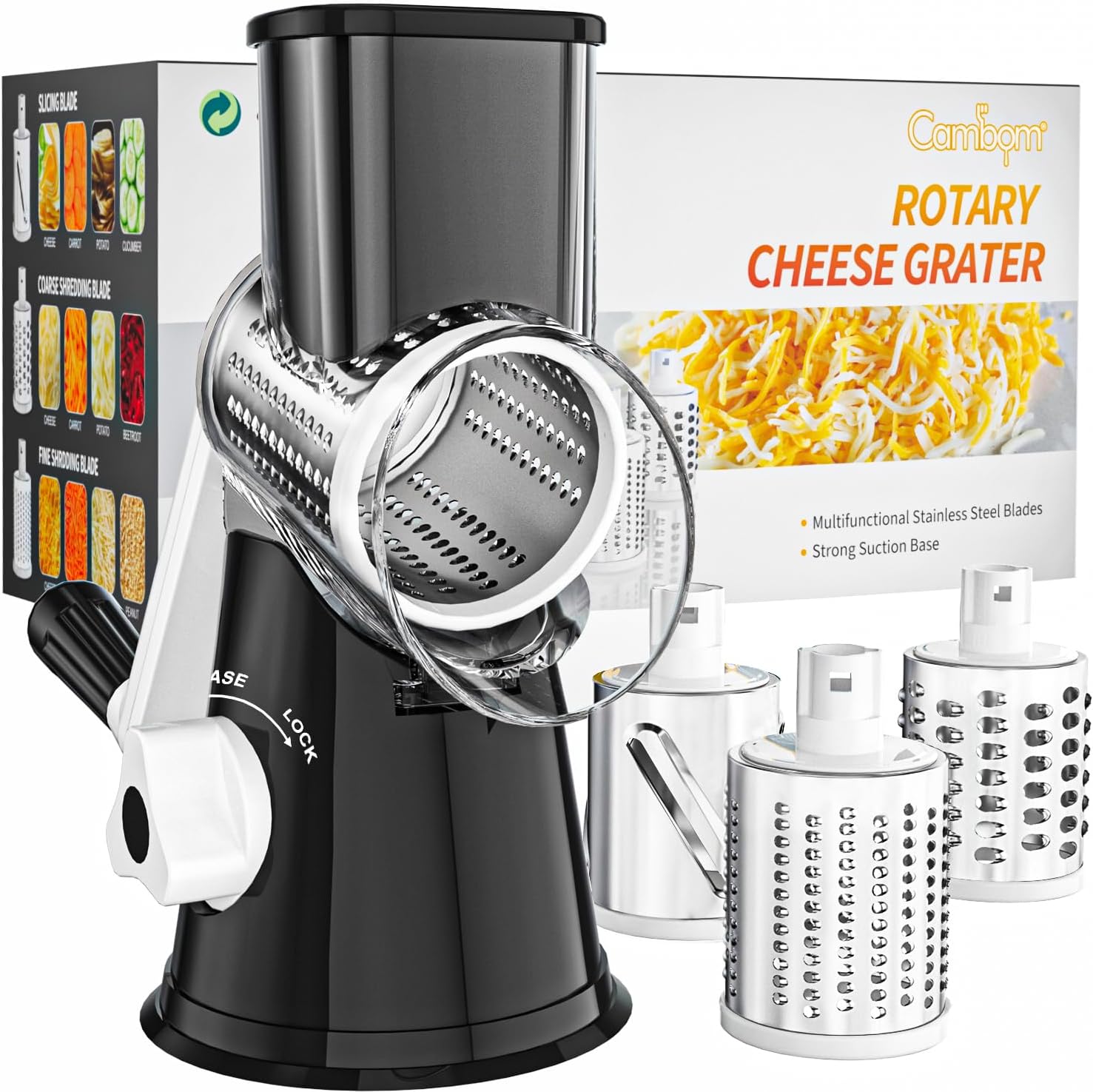
Finding the right tool for preparing ingredients can transform daily cooking routines. Whether you prefer a classic handheld model or a rotary hand-crank machine, choosing a dependable shredder saves time and effort. Modern options incorporate various blades, secure bases, and comfortable handles designed to handle everything from firm blocks to soft vegetables without unnecessary strain or slipping on countertops.
Evaluating different designs helps match your specific cooking style with the most suitable kitchen accessory. Options range from four-sided stainless steel boxes with built-in storage containers to multi-blade rotary units that speed up large batch preparations. Reviewing the physical dimensions, material composition, and cleaning requirements ensures you select a practical tool that fits seamlessly into your daily culinary tasks and storage space.
As an Amazon Associate, StacyLaughs earns from qualifying purchases.
Buying guide
Blade Variety and Cutting Options
Selecting the right cutting surfaces determines how well a tool handles different ingredients in daily cooking routines. Models featuring multiple stainless steel blades allow you to switch easily between coarse shredding, fine grating, and flat slicing. Consider what foods you prepare most frequently, such as hard parmesan blocks, nuts, or delicate vegetables, to ensure the included attachments match your regular recipes.
Interchangeable options expand your overall kitchen capabilities significantly. Rotary units often provide three to five specialized drums, while traditional box styles feature fixed sides with distinct texture patterns. Reviewing these blade configurations carefully prevents purchasing equipment that lacks the specific coarse or fine finish required for your favorite homemade dishes, slaws, and fresh dinner salads.
Stability and Countertop Security
Maintaining stability during food preparation prevents accidental slips and ensures safe, controlled operation. Many modern rotary models incorporate powerful suction cup bases designed to anchor securely onto smooth countertop surfaces like glass, granite, or polished marble. This suction mechanism keeps the entire unit firmly in place while you rapidly turn the mechanical hand crank for fast processing.
Traditional box graters often rely on removable rubber bottom rings, weighted structures, or textured edges to prevent sliding across wooden cutting boards and laminate counters. Evaluating your kitchen countertop material carefully helps determine whether a suction-dependent unit or a rubber-gripped base provides the most reliable stability for your routine daily slicing and grating tasks.
Cleaning and Maintenance Requirements
Keeping kitchen tools clean is essential for daily food safety and long-term product durability. Most stainless steel and food-grade plastic components are designed for easy washing under running water or placement on the top rack of a standard dishwasher. Checking manufacturer maintenance guidelines ensures you maintain lasting blade sharpness and prevent material warping over time.
Units featuring detachable parts without complex tools simplify the routine cleaning process significantly. Models with enclosed drums or removable parts may require dedicated cleaning brushes to remove trapped food particles effectively after use. Reviewing how easily a grater disassembles helps you choose an option that fits comfortably into your cleanup schedule after busy family meal preparations.
Storage Space and Footprint
Evaluating physical dimensions ensures your new kitchen tool fits comfortably inside existing kitchen cabinets or drawers. Rotary models with separate blades often require adequate storage space for multiple interchangeable drums, while box graters take up fixed vertical room on pantry shelves. Consider your available storage capacity carefully before selecting a larger multi-blade unit.
Compact designs with detachable handles or nesting components help maximize limited drawer space in smaller kitchens. Selecting a model that comes with a dedicated blade case or disassembles cleanly keeps accessories organized and prevents accidental contact when reaching into storage areas, making your overall kitchen organization much more manageable and efficient for daily use.
Capacity and Ingredient Sizing
The physical size of the feeding chute or grating surface directly influences how much food you can process at one time. Oversized rotary drums and wide box graters allow you to load larger portions or entire blocks of cheese with minimal pre-cutting, saving valuable preparation time during busy cooking sessions and large family meals.
Smaller models require you to cut ingredients into narrower strips before loading into the chute, which adds extra steps to your daily cooking workflow. Matching the hopper capacity and grating surface dimensions to your typical meal sizes ensures you can process ingredients efficiently without unexpected pauses, clogs, or stubborn food jams.
Safety and Hand Protection
Protecting your fingers from sharp metal blades is a primary consideration when selecting any food preparation tool for the kitchen. Hand-crank rotary shredders enclose the cutting drums inside a protective housing and use a dedicated food pusher, keeping your hands completely away from the sharp metal edges during active operation.
Traditional box graters require manual sliding motions close to the cutting surfaces, though features like contoured handles, rubber bottom grips, and protective guards help maintain steady user control. Evaluating these integrated safety mechanisms helps you choose a tool that matches your personal comfort level and minimizes the risk of accidental cuts during daily kitchen use.
Frequently asked questions
What types of cheese work best with rotary hand-crank graters?
Rotary hand-crank graters perform exceptionally well with moderately firm cheeses such as cheddar, mozzarella, parmesan, romano, and mascarpone blocks. The sharp stainless steel blades slice and shred these firm varieties efficiently without clogging the internal barrel or requiring excessive manual effort from the user. Extremely soft or high-moisture cheeses may smear against the rotating blades rather than producing clean shreds, so firmer cheese types are always recommended for optimal performance with mechanical hand-crank shredders.
Do rotary graters require smooth countertops for proper suction?
Yes, the suction cup bases found on many rotary cheese graters rely heavily on clean, smooth countertop surfaces such as glass, granite, or polished marble to create a strong anchor. Textured tile, rough wood, or uneven laminate surfaces prevent the suction mechanism from forming an airtight seal, which can cause the unit to slip during heavy cranking tasks. Checking your primary kitchen counter surface before purchasing ensures the suction base functions correctly and maintains stability.
Are box graters safer than rotary crank shredders?
Safety depends largely on the design mechanics and how food is handled during preparation. Traditional box graters require you to slide ingredients manually across exposed stainless steel surfaces, bringing your fingers closer to sharp edges if proper care is not taken. Rotary crank shredders enclose the blades inside a drum and use a food pusher, preventing direct hand contact with the cutting surfaces. However, both styles offer secure handling when used according to manufacturer instructions.
Can I put my cheese grater in the dishwasher?
Most stainless steel box graters and modern rotary grater components are top-rack dishwasher safe, though specific manufacturer maintenance guidance should always be verified. For rotary models, placing plastic parts on the top rack or washing them under running water helps prevent warping and preserves blade sharpness over time. Avoiding high-heat drying cycles can also extend the lifespan of stainless steel blades and plastic housings alike, keeping your tool ready for future meal preparations.
What is the advantage of using a box grater with a container?
A box grater that includes a detachable measuring container provides a convenient way to catch and measure ingredients simultaneously as you grate. Volume markings on the container help you track exact quantities without needing extra measuring cups. Additionally, many containers come with storage lids, allowing you to cover and refrigerate leftover grated cheese or vegetables directly in the same container, reducing countertop clutter and extra cleanup steps after finishing your recipe.