Appliances · Buying Guide
Best Tuna Fish Can Strainer Options for Quick Kitchen Prep
Preparing canned tuna, salmon, beans, or vegetables frequently involves dealing with excess oil and water, making a dedicated strainer a highly practical tool for everyday kitchen routines. Instead of balancing sharp metal lids or using awkward makeshift methods to drain liquids, a specialized can strainer fits neatly over standard tins to simplify daily food preparation tasks efficiently.
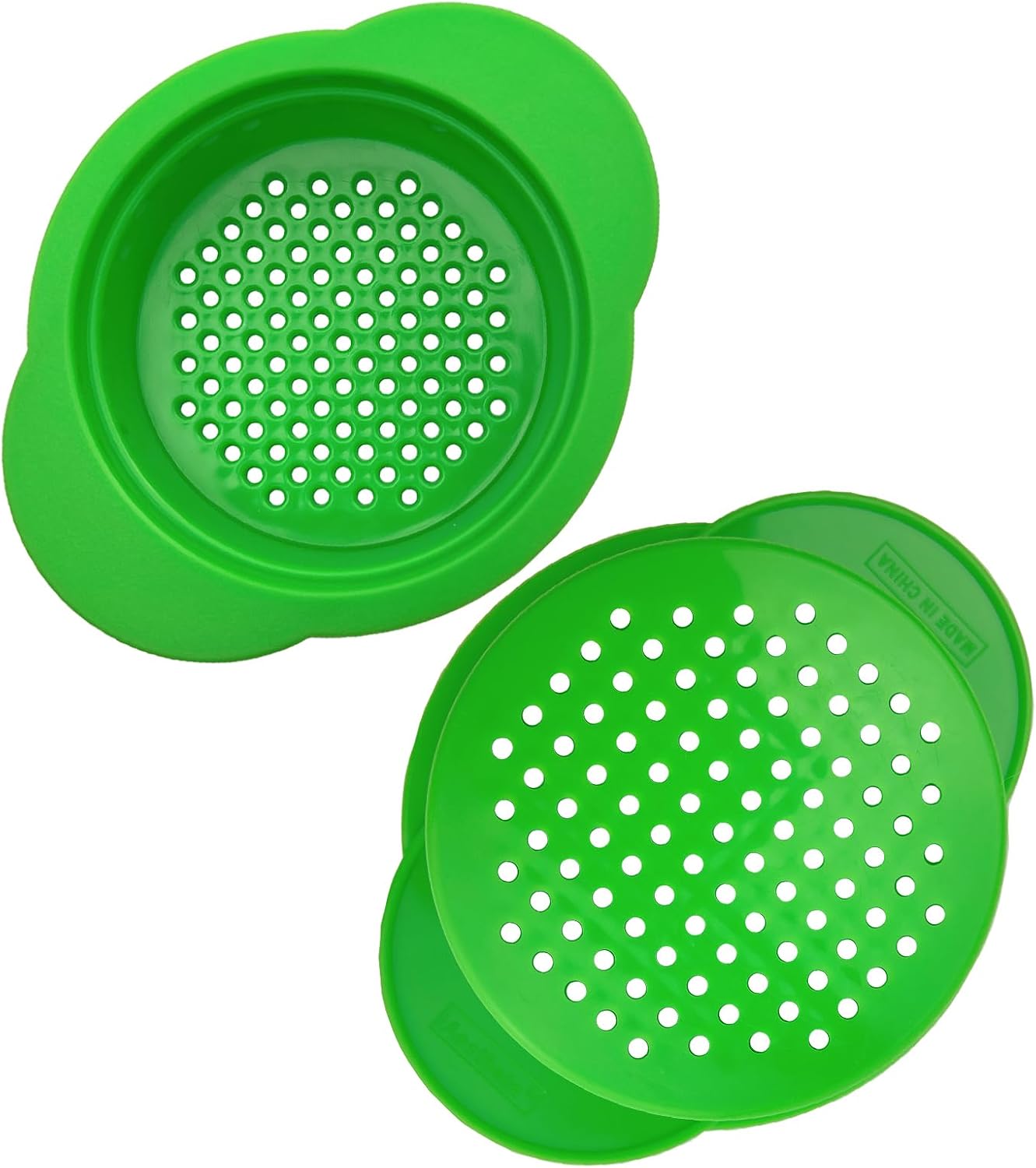
These functional devices allow home cooks to press out unwanted moisture directly while keeping hands clean and free from strong food odors. Available in sturdy stainless steel and BPA-free plastic configurations, these strainers feature specific hole patterns and ergonomic handle designs built to handle routine kitchen tasks without unnecessary mess or user complication.
As an Amazon Associate, StacyLaughs earns from qualifying purchases.
Buying guide
Material Composition and Durability
Choosing the right can strainer begins with carefully evaluating material composition. Most available models utilize either food-grade 304 stainless steel or BPA-free plastic. Stainless steel options provide exceptional resistance to rust, high temperatures, and daily wear. These sturdy metal strainers remain completely rigid during demanding pressing tasks and regular kitchen use.
On the other hand, plastic alternatives offer a lightweight feel and seamless unibody construction. Selecting between metal and plastic depends on personal handling preferences and kitchen storage routines. Metal versions ensure long-term structural durability without bending, while plastic variants provide a comfortable grip and lighter weight during frequent food preparation.
Compatibility with Can Sizes
Ensuring your strainer fits your canned goods is essential for achieving effective liquid drainage. Many strainers feature diameters around 3.12 to 3.15 inches, designed specifically for standard grocery cans. Some versatile models accommodate wide-necked tins as well, expanding their everyday pantry utility across different food categories and brands.
However, it remains vital to check specific packaging styles before making a final purchase. Certain metal strainers explicitly state they do not fit modern pull-top cans. Matching the strainer opening diameter and step width to your preferred canned tuna or vegetable brands prevents awkward gaps and messy food preparation experiences in the kitchen.
Handle Design and Ergonomics
Handle design significantly influences daily comfort and safety during the canned food straining process. Models equipped with dual non-slip handles allow users to press down firmly while keeping fingers completely clean and scent-free. Textured surfaces on handles provide a secure grip even when hands are wet from routine kitchen tasks.
Ergonomic configurations reduce hand strain when pressing out heavy liquids from dense canned items. When comparing available options, look for handles that offer stable mechanical leverage. This ensures you can invert cans and extract moisture quickly without slipping or causing accidental liquid spills on your kitchen counter during daily meal preparation.
Drainage Hole Configurations
The arrangement and number of holes dictate how efficiently a strainer performs its primary function. Many popular designs incorporate exactly ninety-seven round holes distributed evenly across the bottom plate. This specific hole count is engineered to balance rapid liquid filtration with essential structural support for the food inside.
Mesh opening sizes also vary between models, typically ranging across different dimensions depending on the specific product build. A well-designed hole pattern ensures that unwanted oil and water evacuate rapidly while keeping solid food securely inside the tin. Evaluating hole layout helps determine how smoothly your daily food preparation routine proceeds.
Cleaning and Maintenance Needs
Keeping your kitchen tools hygienic requires carefully considering cleaning and maintenance requirements beforehand. Most metal and plastic can strainers are fully dishwasher safe, allowing for effortless cleanup after meal preparation tasks. Unibody plastic designs eliminate small assembly gaps where food particles might otherwise become trapped during regular use.
Stainless steel models require thorough drying routines after washing to prevent water spots and maintain a polished metallic appearance over time. Following manufacturer compatibility guidelines ensures your chosen strainer remains in excellent functional condition over years of regular kitchen service, whether you wash items by hand or load them into an automated dishwasher.
Multi-Use Versatility Options
Many can strainers offer multi-use versatility that extends well beyond draining tuna fish cans. Beyond removing excess oil and water from salmon and canned beans, certain models function effectively as food squeezers or small sieves. You can use them to press boiled potatoes into smooth mashes or mash beans for delicious homemade dipping sauces.
Evaluating these extra capabilities helps maximize the practical value of your kitchen utensil drawer. Choosing a strainer with multiple operational methods allows you to handle various food prep tasks using a single compact tool, reducing clutter while streamlining everyday cooking activities in a busy home kitchen environment.
Frequently asked questions
How do I use a tuna fish can strainer?
To use a standard tuna can strainer, simply place the device directly on top of your opened tin can. Press the two non-slip handles downward while holding the bottom of the can. This action extracts unwanted oil or water through the bottom holes while keeping your fingers clean and free from strong food odors. Alternatively, some models allow you to cover the can and pour liquid out or use the strainer as a squeezer for soft foods like potatoes or beans.
Are these can strainers dishwasher safe?
Most available can strainers, whether constructed from food-grade stainless steel or BPA-free plastic, are fully dishwasher safe. This allows for convenient cleanup after meal preparation without requiring tedious hand washing. However, stainless steel models benefit from thorough drying routines after washing to prevent water spots and maintain a polished metallic appearance over time. Plastic models feature unibody designs that resist trapping food particles, making them straightforward to maintain using either running water with soap or an automated dishwasher cycle.
Will a can strainer fit all types of cans?
Can strainers are typically designed to fit most standard-sized grocery cans, often featuring bottom diameters around 3.12 to 3.15 inches. Some specific models also accommodate wide-necked canned goods. However, compatibility is not universal across all packaging types. For instance, certain metal strainers explicitly state they are incompatible with pull-top cans. It is important to check the product specifications and your preferred canned food packaging styles to ensure a proper fit before making a final purchasing decision.
What is the benefit of a 304 stainless steel strainer?
Choosing a 304 stainless steel strainer offers several practical advantages for everyday kitchen use. This food-grade material provides high strength, excellent corrosion resistance, and the ability to withstand high temperatures during food prep routines. Unlike plastic alternatives, stainless steel remains completely rigid when you apply downward pressure to extract liquid from dense canned foods. This robust construction ensures long-term durability and prevents the strainer from bending during repetitive tasks, though it does require careful manual drying to avoid water spots.
Can I use a can strainer for foods other than tuna?
Yes, many can strainers are versatile kitchen tools designed to handle a variety of canned goods beyond tuna. You can use them to drain excess liquid from canned salmon, beans, fruits, and vegetables. Additionally, certain metal and plastic strainers support multi-use applications such as pressing boiled potatoes into smooth mashes or mashing beans for homemade dipping sauces. This multifunctionality makes them handy accessories for streamlining multiple food preparation tasks in your kitchen utensil drawer.