Appliances · Buying Guide
Best Utensils For Cast Iron: Choosing Wood Versus Metal Tools
Selecting the right kitchen tools for heavy-duty skillets involves balancing material durability with cookware protection. Cast iron surfaces demand implements that can handle high heat and rigorous scraping without compromising the pan or the tool itself.
Whether you prefer natural wood or heavy-duty stainless steel, understanding how different materials perform during daily cooking tasks helps you build a reliable and long-lasting kitchen collection tailored specifically to your stovetop needs.
As an Amazon Associate, StacyLaughs earns from qualifying purchases.
Buying guide
Material Selection For Stovetop Safety
Choosing between wood and metal depends heavily on how you manage your cookware surface. Wooden tools provide a soft interface that minimizes scratching risks on seasoned iron or coated pans. They remain cool during prolonged stirring sessions and do not conduct thermal energy toward your hand.
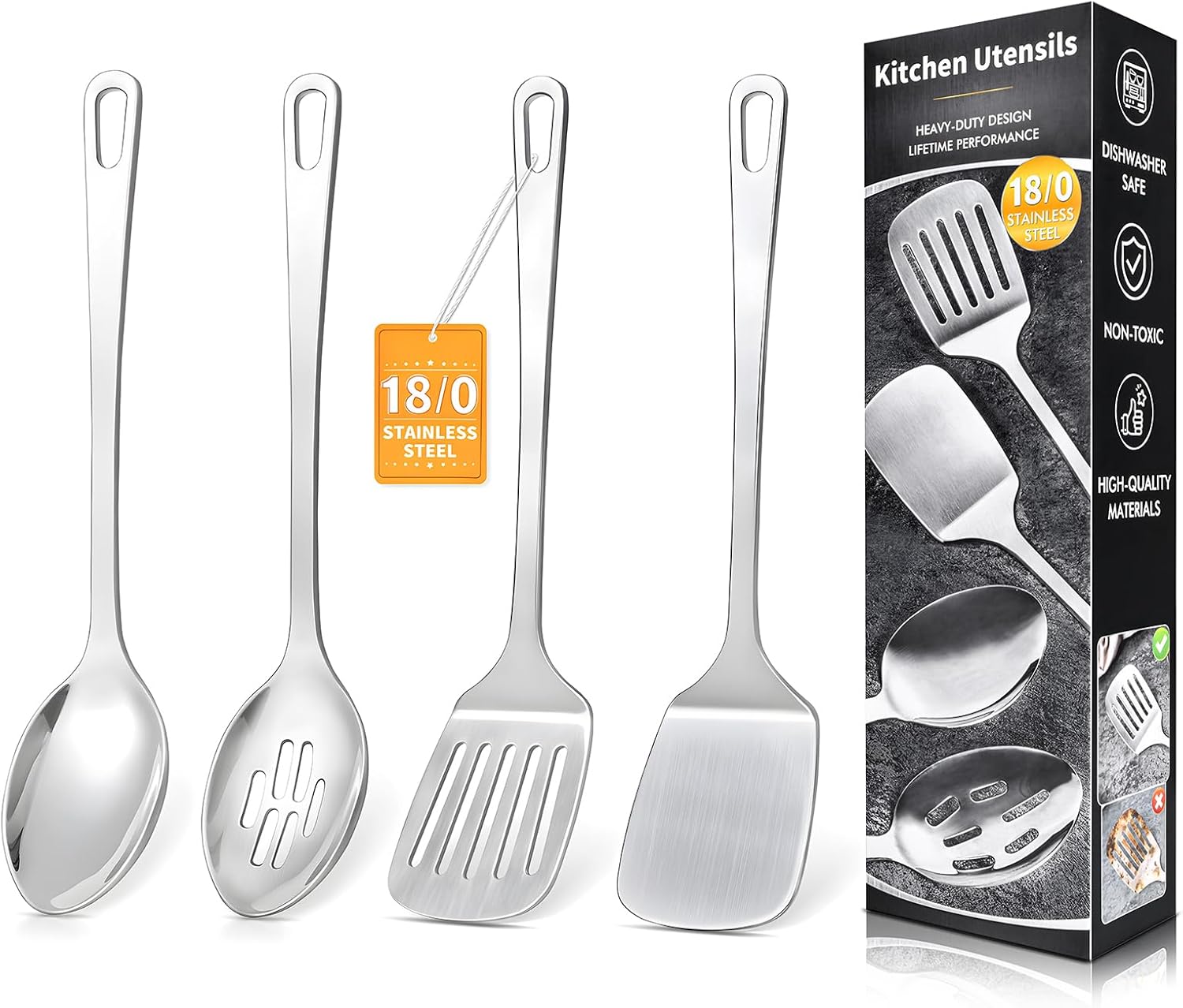
Metal implements offer superior rigidity and thin edges, making them exceptionally effective for scraping stuck-on food particles or sliding beneath heavy pancakes. Selecting the right material requires balancing your preference for gentle surface care against the need for rigid scraping power.
Understanding Handle Comfort And Ergonomics
Handle design directly influences control and hand fatigue during extended cooking sessions. Options featuring rounded wooden grips or insulated silicone coverings offer a secure hold when turning heavy portions of meat or dense batter.
Evaluating the length and thickness of each handle ensures you maintain adequate distance from hot cooking surfaces. A well-balanced handle prevents wrist strain and provides steady leverage whether you are flipping eggs or mixing thick stews.
Evaluating Tool Assortment And Set Size
Utensil collections range from compact two-piece turner sets to comprehensive ten-piece culinary kits. Assessing your daily meal preparation habits helps determine whether you need specialized turners or a full array of ladles and serving spoons.
Larger sets cover diverse cooking techniques from soup stirring to pasta serving, but they demand dedicated storage space. Smaller bundles streamline your collection by focusing exclusively on high-frequency tasks like flipping and scraping.
Cleaning Requirements And Maintenance Needs
Maintenance routines vary significantly between natural wood and stainless steel kitchen tools. Wooden implements generally require manual washing with warm soapy water and periodic drying to preserve their natural finish and prevent premature wear over time.
Metal tools paired with silicone or stainless steel handles often allow for effortless cleanup inside an automatic dishwasher. Matching your cleaning preferences to the required maintenance prevents unexpected wear on your kitchen accessories.
Edge Profile And Thickness Considerations
The thickness and bevel of a turner edge dictate how smoothly it slides beneath delicate foods. Ultra-thin front profiles excel at lifting fragile items like eggs and fish fillets without tearing their structure apart during flipping.
Sturdier, thicker edges provide greater resistance when dealing with heavy food items or dense burger patties. Examining the edge design ensures the tool matches your typical recipe requirements on the stovetop.
Storage Convenience And Hanging Features
Kitchen organization is simplified when tools include built-in hanging holes or come with dedicated storage bags. Hanging metal or wooden implements on wall racks keeps your counters clear and provides immediate access during busy cooking moments.
Compact packaging options also make storage straightforward inside standard kitchen drawers. Reviewing how each set stores away helps maintain an organized cooking space without cluttering your countertops.
Frequently asked questions
Can I put wooden cooking utensils in the dishwasher?
Wooden utensils generally require manual washing with warm soapy water. Placing natural wood tools inside an automatic dishwasher can expose them to harsh detergents and excessive moisture, which may damage the material over time. Following manufacturer cleaning instructions helps preserve the natural wood finish and ensures your kitchen tools remain in top condition for daily meal preparation tasks.
Are metal spatulas safe to use on heavy skillets?
Metal spatulas work effectively on durable metal pans, especially when scraping up browned bits or flipping heavy items like burgers and steaks. However, users should exercise proper technique to avoid unintended scratching on sensitive pan coatings. Selecting metal tools with beveled edges and ergonomic handles provides the necessary control for successful stovetop cooking and flipping tasks.
What is the benefit of a thin front edge on a turner?
A thin front edge allows the spatula to slide smoothly underneath delicate foods such as eggs, pancakes, and fish fillets. This design minimizes the risk of breaking apart fragile items while you attempt to flip them in a hot skillet. Thin edges also help scrape the cooking surface cleanly, making it easier to manage food release during high-heat frying.
How do I choose between a small set and a large utensil collection?
Choosing a set size depends entirely on your everyday cooking habits and available kitchen storage space. A compact two-piece or four-piece set focuses heavily on essential turners and serving spoons for quick meals. A ten-piece collection provides a wider variety of specialized tools, including ladles, pasta servers, and mixing spoons, to cover virtually every culinary task.
Do stainless steel utensils get too hot to hold during cooking?
Stainless steel tools can conduct heat, but many modern designs incorporate heat-proof handles or insulated silicone grips to protect your hands during use. These ergonomic additions provide a secure, comfortable hold even when the business end of the tool rests inside a hot pan for extended periods. Checking the handle specifications ensures you select a comfortable tool for high-heat cooking.