Appliances · Buying Guide
Best Vintage Metal Egg Slicer Choices for Classic Kitchen Prep
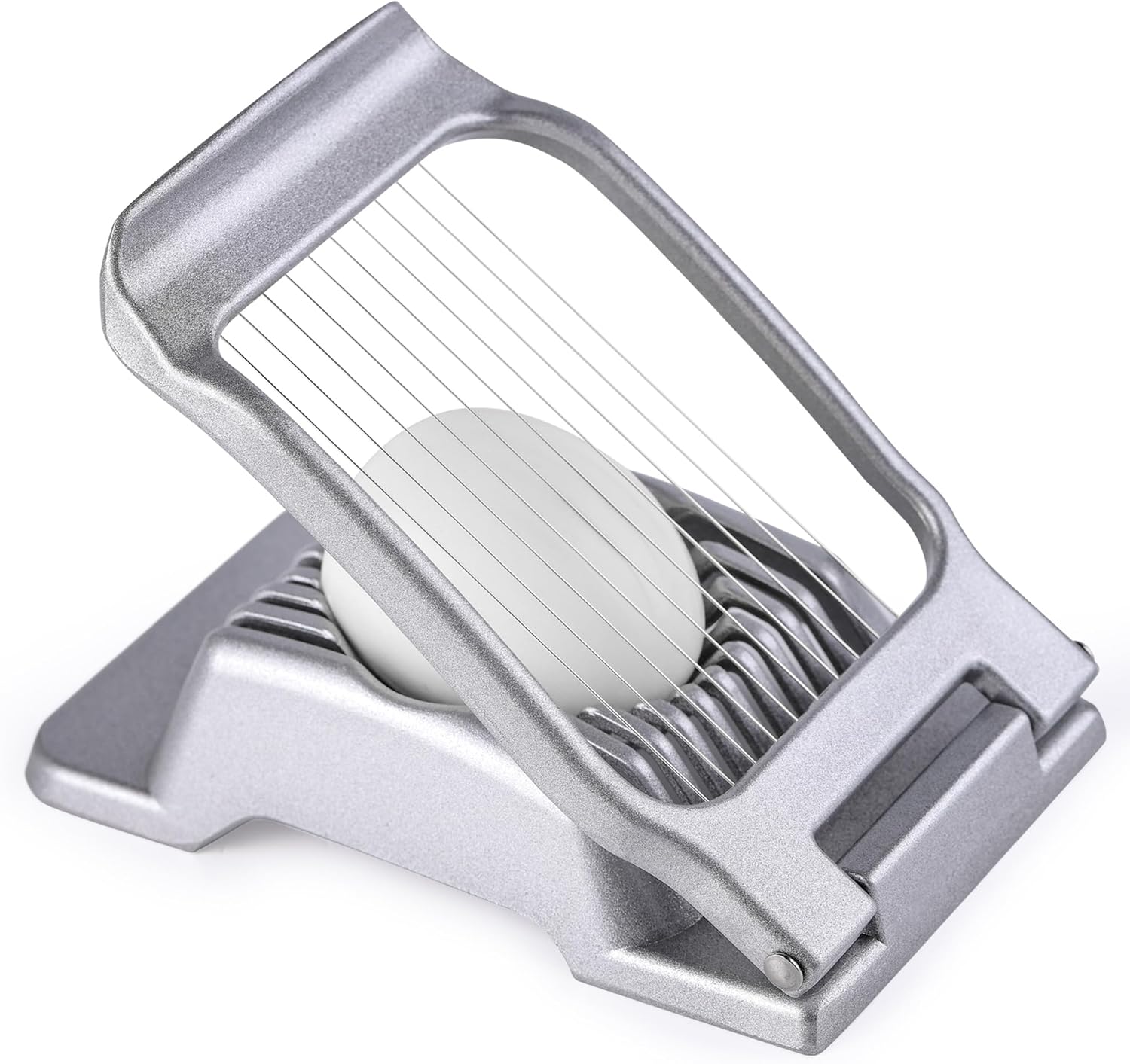
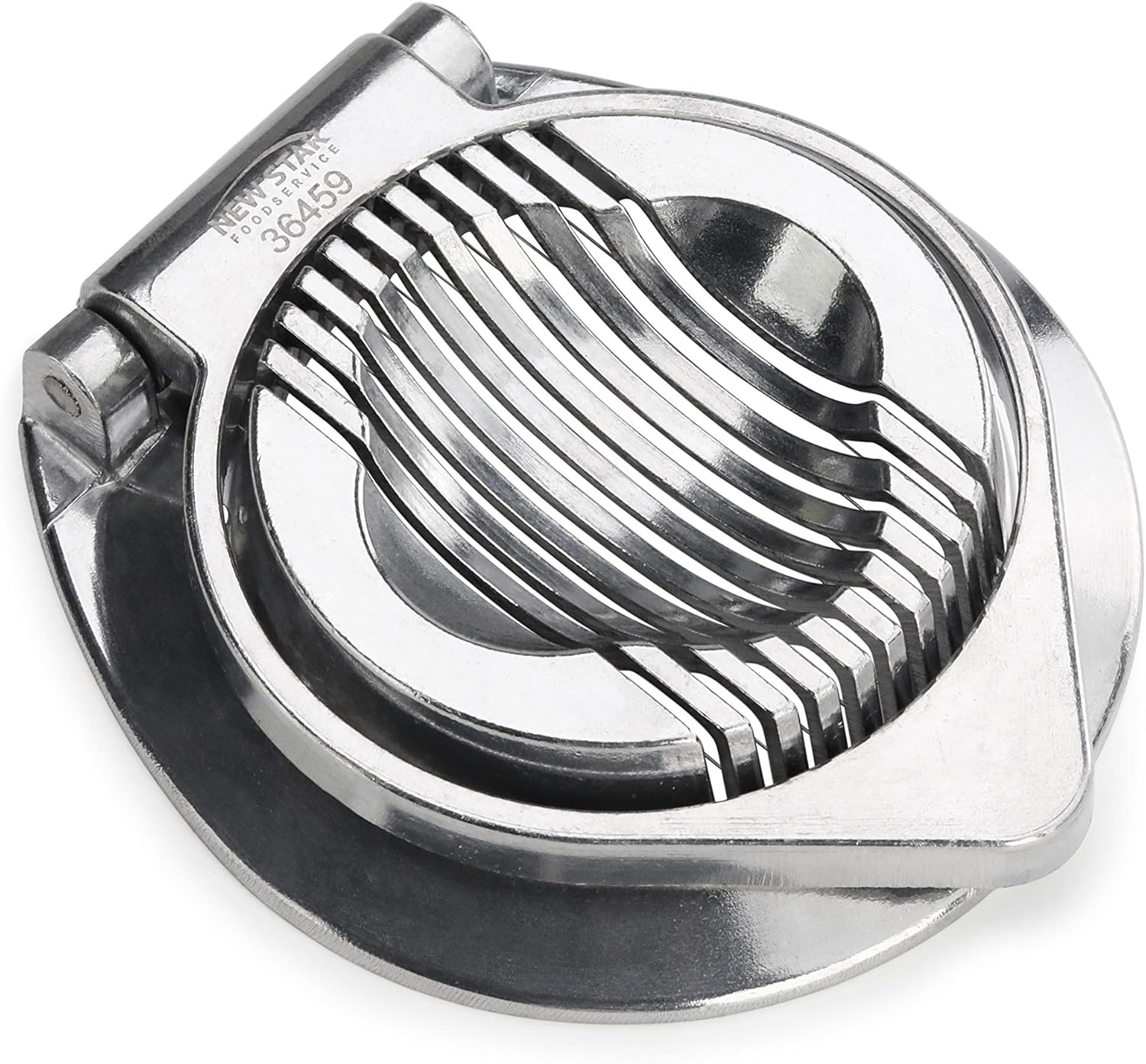
Finding a reliable vintage metal egg slicer can completely transform how you prepare salads, sandwiches, and beautifully garnished meals at home. These traditional kitchen tools combine sturdy cast aluminum frames with fine stainless steel wires to deliver clean, even cuts in a single swift motion, saving valuable time during busy food preparation routines throughout the week.
Unlike fragile plastic alternatives, classic metallic models offer robust pressing leverage and long-lasting durability for daily use across many ingredients. Whether you are slicing hard-boiled eggs, fresh mushrooms, or soft cheeses, exploring the various available designs helps you select a dependable tool that matches your specific kitchen countertop preferences, cleaning habits, and everyday cooking requirements.
As an Amazon Associate, StacyLaughs earns from qualifying purchases.
Buying guide
Frame Material and Structural Build
Selecting a vintage metal egg slicer begins with examining the primary frame construction. Models crafted from cast aluminum or durable aluminum alloys offer exceptional structural rigidity during daily pressing tasks. Unlike lightweight plastic alternatives, solid metal frames resist warping, cracking, or flexing under repeated downward pressure. This robust foundational strength ensures that the tool maintains alignment over years of regular kitchen use.
When shopping for a metallic slicer, verify whether the body features a brushed finish or coated aluminum surface. A heavy-duty metal frame provides the necessary leverage to glide smoothly through hard-boiled eggs, mushrooms, and soft cheeses without requiring excessive physical force from your hands. Investing in a solid metal body guarantees long-term reliability for your household food preparation routines.
Wire Material and Tension Quality
The cutting wires represent the core functional component of any egg slicer. High-grade stainless steel wires provide the rust-resistant performance needed to cut cleanly through soft foods without staining or degrading. Premium models often feature slightly thicker wire gauges, such as 0.4mm designs, which enhance overall slice strength and prevent the individual strands from bowing, loosening, or snapping under normal operational pressure.
Inspecting how securely the wires are anchored into the aluminum frame helps predict long-term durability. Well-tensioned stainless steel wires slice through hard-boiled eggs smoothly in a single motion, producing even pieces without squishing or tearing the food. Prioritizing robust wire construction prevents frequent replacements and ensures consistent presentation for salads, sandwiches, and appetizers.
Cradle Design and Food Stability
Food cradle design heavily influences how efficiently ingredients stay positioned during the slicing stroke. Models featuring deeply grooved cradled baskets hold round items securely in place, preventing eggs, strawberries, or kiwis from shifting sideways when the blades descend. This physical guidance results in uniform slices every single time while keeping your countertops clean by containing natural food juices within the basin.
A properly contoured slot accommodates various soft ingredients comfortably, enhancing overall versatility across different meal preparation tasks. When evaluating slicers, look for stable base configurations that prevent rocking during the press. Proper cradling ensures that the stainless steel wires contact the food evenly from top to bottom, avoiding jagged edges and maintaining professional-looking presentation standards.
Ergonomics and Handle Comfort
Operating a manual food slicer requires repetitive downward pressing motion, making handle ergonomics a critical purchasing factor. Ergonomically shaped aluminum handles provide a comfortable, natural grip that reduces hand fatigue during batch cooking or party preparations. A well-balanced handle evenly distributes downward pressure across the cutting wires, making the slicing action smooth and effortless for users of all hand strengths.
Smooth leverage design prevents your hand from slipping or straining when pressing through firm hard-boiled egg whites. Reviewing the handle geometry ensures that the upper arm connects securely to the base hinge without binding. Prioritizing comfortable grip features transforms routine food prep tasks into quick, comfortable chores that require minimal physical exertion.
Maintenance and Cleaning Requirements
Proper maintenance preserves the longevity and appearance of your metal kitchen tools. Many aluminum slicers feature hollow base designs that allow food residue to rinse away easily under running water. While some models boast dishwasher-safe construction for ultimate convenience, others recommend hand washing to protect the polished aluminum finish and maintain optimal wire tension over extended periods of time.
Following manufacturer care guidelines prevents premature wear and keeps your slicing wires free from mineral buildup. Rinsing the unit immediately after processing sticky items like bananas or soft cheeses prevents residue from drying onto the metal frame. Understanding cleaning requirements upfront helps you select a tool that fits seamlessly into your daily kitchen cleanup routine.
Storage Footprint and Dimensions
Kitchen drawer space is often at a premium, making physical dimensions an important consideration. Metal egg slicers typically feature compact footprints, ranging from compact square units to slightly longer framed models measuring over seven inches. Evaluating your available storage space ensures that the slicer fits comfortably alongside other kitchen gadgets without causing countertop or drawer clutter.
Slim profile designs store effortlessly in shallow utensil drawers while remaining easily accessible for daily breakfast or lunch preparation. Measuring your intended storage drawer before purchasing prevents compatibility issues with larger cradled designs. Selecting the right physical footprint balances ease of food handling with convenient storage capacity in busy kitchen environments.
Frequently asked questions
Can a vintage metal egg slicer cut foods other than hard-boiled eggs?
Yes, these versatile kitchen tools are designed to handle a wide variety of soft food items beyond hard-boiled eggs. You can easily slice fresh mushrooms, peeled kiwis, bananas, strawberries, soft cheeses, and avocados for salads, desserts, and appetizer boards. However, users should avoid attempting to slice firm or hard produce such as raw tomatoes or cucumbers, as these tougher items can strain or bend the fine stainless steel wires, compromising the long-term integrity of rummaging mechanisms.
Are metal egg slicers safe to wash in a dishwasher?
Dishwasher safety depends entirely on the specific manufacturing specifications of each individual model. Some aluminum slicers feature certified dishwasher-safe construction that allows for automated cleanup, while many traditional or commercial-grade models explicitly require hand washing only. Hand washing helps preserve the polished finish of the cast aluminum frame and prevents potential discoloration or degradation of the tensioned stainless steel wires over time. Always check the manufacturer care guidelines before placing your slicer in a dishwasher.
Why do some metal slicers feature hollow bases?
Hollow base designs are deliberately engineered into many aluminum egg slicers to improve daily usability and simplify cleanup routines. When you press down on soft foods, small pieces or residues can occasionally fall through the cutting grid. A hollow base prevents trapped buildup by allowing food particles, juices, and rinse water to pass straight through the bottom opening. This open structure ensures that you can quickly flush away debris with a simple stream of water.
How do I prevent the stainless steel wires from breaking?
Preventing wire damage involves selecting appropriate food items and applying steady, even downward pressure during operation. Never force the handle down onto hard, unpeeled, or semi-frozen ingredients that exceed the recommended soft-food capacity of the tool. If you encounter resistance while pressing, stop immediately to check for blockage rather than forcing the wires through. Additionally, cleaning food residue promptly prevents sticky buildup that can corrode or weaken the tensioned stainless steel strands during storage.
What is the advantage of a cast aluminum body over plastic?
Cast aluminum bodies offer superior structural rigidity, enhanced pressing leverage, and long-lasting durability compared to fragile plastic alternatives. A solid metal frame will not warp, crack, or flex under repeated daily pressure, ensuring that the cutting wires remain perfectly aligned for clean, uniform slices. Furthermore, metal construction withstands frequent use in busy home kitchens much better than molded plastic, providing a dependable, traditional kitchen tool that survives years of regular food preparation routines without losing its mechanical integrity.