Appliances · Buying Guide
Best Volcanic Stone Mortar And Pestle Sets For Authentic Kitchen Grinding
Selecting a traditional volcanic stone mortar and pestle brings authentic texture and powerful grinding capability directly to your kitchen countertops. These handmade tools utilize natural lava rock to crush herbs, spices, and fresh ingredients efficiently, unlocking rich flavor and aroma profiles that modern electric appliances often miss during daily meal preparation routines.
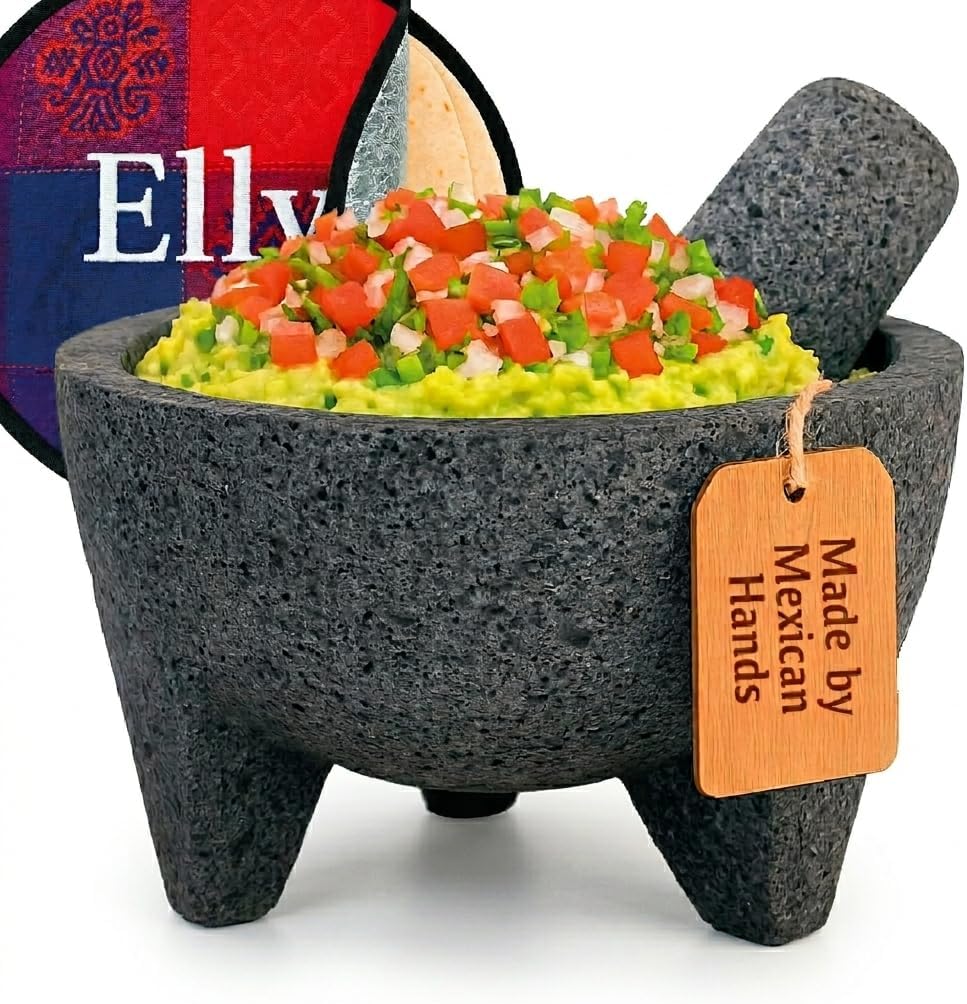
Artisans carefully shape each piece from genuine volcanic stone deposits, ensuring rugged durability for grinding chunky guacamole, smooth salsas, and aromatic spice blends. Because these heavy stone bowls feature natural surface pores and unrefined exterior textures, they provide exceptional traction for manual preparation while requiring a proper rice-grinding curing process before initial food use.
As an Amazon Associate, StacyLaughs earns from qualifying purchases.
Buying guide
Material Authenticity and Stone Origin
Selecting an authentic volcanic stone mortar involves verifying that the construction utilizes genuine lava rock rather than artificial concrete substitutes. Natural basalt lava stone offers distinct geological properties, including natural surface pores that provide exceptional grinding traction for seeds, spices, and fresh herbs. True volcanic formations ensure long-lasting durability, allowing home cooks to crush tough ingredients without chipping the bowl interior.
Genuine stone pieces carry unique artisan characteristics, meaning no two mortars share identical surface patterns or exact weight distributions. When evaluating options, look for descriptions confirming origin points such as Mexican volcanic deposits. This ensures you receive a traditional tool capable of handling rigorous daily food preparation tasks while maintaining its structural integrity over years of continuous kitchen use.
Dimensions and Grinding Capacity
Evaluating the physical dimensions of a volcanic stone mortar ensures it meets your household cooking volume requirements. Most standard models feature an eight-inch diameter, providing sufficient room to prepare family-sized batches of guacamole, chunky salsas, or herb pastes. Depth also matters, as a deeper bowl prevents ingredients from spilling over the sides during vigorous pestle rotations and heavy crushing tasks.
Keep in mind that handmade stone basins often feature slight dimensional variations due to their artisan fabrication process. Measuring your available countertop space and cabinet clearance beforehand helps accommodate the broad rim and sturdy profile of an eight-inch stone bowl. Matching capacity to your typical recipe size prevents overcrowding and ensures comfortable ingredient mixing during meal preparation.
Thermal Resistance and Oven Safety
Certain specialized volcanic stone mortars are engineered to endure extreme thermal conditions, allowing you to transition directly from hand grinding to high-heat oven roasting. Premium lava rock formations withstand elevated temperatures, making them suitable for preparing roasted tomato salsas or warm artisan dishes right inside a hot oven. This thermal resilience expands the functional versatility of your traditional kitchen tool.
Before exposing any stone bowl to high heat, verify that the specific product formulation explicitly supports oven use. Standard lava stone variations may react unpredictably to rapid thermal shifts if not rated for high temperatures. Checking manufacturer specifications ensures safe baking performance, letting you roast ingredients and serve savory homemade meals directly from the heavy stone vessel without damaging the material.
Initial Curing and Surface Preparation
Preparing a newly acquired volcanic stone mortar requires a mandatory curing process before its first food contact. Because these tools feature unfinished lava stone surfaces, initial grinding sessions with raw white rice help eliminate loose mineral dust and smooth out rough interior pores. Repeating this manual abrasion cycle until the ground rice remains clean guarantees a safe, grit-free cooking surface for your recipes.
Skipping this essential preparation step can introduce fine stone particles into your homemade guacamole or salsas, altering texture and flavor. Follow any included manufacturer instructions or guide cards carefully to complete the curing process successfully. Taking time for proper surface conditioning establishes a reliable, well-seasoned grinding basin that will serve your household dependably for many years.
Included Accessories and Bundles
Many volcanic stone mortar sets arrive bundled with practical accessories that enhance overall kitchen utility. Common additions include matching pestles, known as tejolotes, designed with ergonomic gripping ends for efficient crushing power. Some packages also incorporate traditional fabric tortilla warmers, protective wooden display stands, or textile towels, providing extra value and coordinated utility for serving authentic meals at home.
Assessing these bundled extras helps determine which package best fits your culinary lifestyle and serving habits. If you frequently serve warm flatbreads alongside fresh dips, a set including a thermal fabric pouch offers immediate convenience. Conversely, minimalistic options focus entirely on the core stone basin and pestle, letting you invest solely in the primary grinding tool without extra kitchen accessories.
Weight, Stability, and Countertop Storage
The substantial physical weight of a volcanic stone mortar, often ranging between seven and eight pounds, provides exceptional stability during intense grinding tasks. This heavy mass prevents the bowl from sliding across countertops when you apply downward pressure with the pestle. However, this heavy profile also means the tool requires a dedicated, sturdy resting spot that minimizes frequent lifting and transport across the kitchen.
Evaluating your kitchen workspace and cabinet strength ensures you can comfortably manage a heavy stone appliance. Some users prefer pairing the bowl with a protective wooden stand to cushion its heavy base against hard countertops. Balancing stability benefits with physical handling requirements helps you choose a set that integrates smoothly into your daily cooking routines without causing strain.
Frequently asked questions
Why must I cure a volcanic stone mortar before using it for food?
Curing a volcanic stone mortar is essential because unfinished lava rock surfaces contain loose stone dust and microscopic mineral particles left over from the artisan carving process. By grinding raw white rice repeatedly inside the bowl until the powder remains completely clean, you scour away this residual grit. Skipping this manual preparation step can introduce unpleasant mineral textures and grit into your fresh salsas, guacamole, or spice blends, ruining both the taste and mouthfeel of your homemade dishes.
How do I properly clean and maintain a lava rock mortar?
Cleaning a lava rock mortar requires rinsing the stone basin thoroughly with warm water while using a stiff brush to remove any trapped food particles from the natural pores. You must avoid using standard dish soaps or detergents, because porous volcanic stone can absorb chemical residues and later transfer soapy flavors to your food. After washing, allow the heavy stone bowl to air dry completely in an open space before storing it safely on your kitchen counter or lower cabinet shelf.
Can I place my volcanic stone molcajete in an oven?
Whether you can place your molcajete in an oven depends entirely on the specific manufacturing specifications of your chosen model. Certain specialized volcanic stone sets are crafted from selected lava rock engineered to withstand extreme high temperatures up to twenty-two hundred degrees Fahrenheit, permitting safe use inside bread ovens for roasting vegetables or baking dishes. However, you should never assume standard stone bowls are oven-safe without explicit manufacturer confirmation to prevent cracking or thermal stress failures.
What is the difference between the mortar and the pestle in these sets?
In these traditional volcanic stone sets, the mortar is the large bowl vessel used to hold and crush ingredients, while the pestle, traditionally called a tejolote, is the handheld cylindrical stone tool used to apply pressure and grind. The mortar features a textured interior basin designed to create friction against food items. Meanwhile, the pestle is ergonomically shaped with a wider grinding end to pulverize garlic, seeds, nuts, and avocados efficiently against the rough bowl walls.
Why are volcanic stone mortar sets so heavy?
Volcanic stone mortar sets are exceptionally heavy because they are carved from solid, dense basalt lava rock rather than lightweight artificial concrete or ceramic materials. This substantial weight, often ranging between seven and eight pounds for an eight-inch model, serves a vital practical purpose during cooking. The heavy mass anchors the bowl securely to your countertop, preventing it from sliding or tipping over when you exert heavy downward force to crush tough spices, roots, and fibrous herbs.