Appliances · Buying Guide
Best Zyliss can opener came apart replacement options
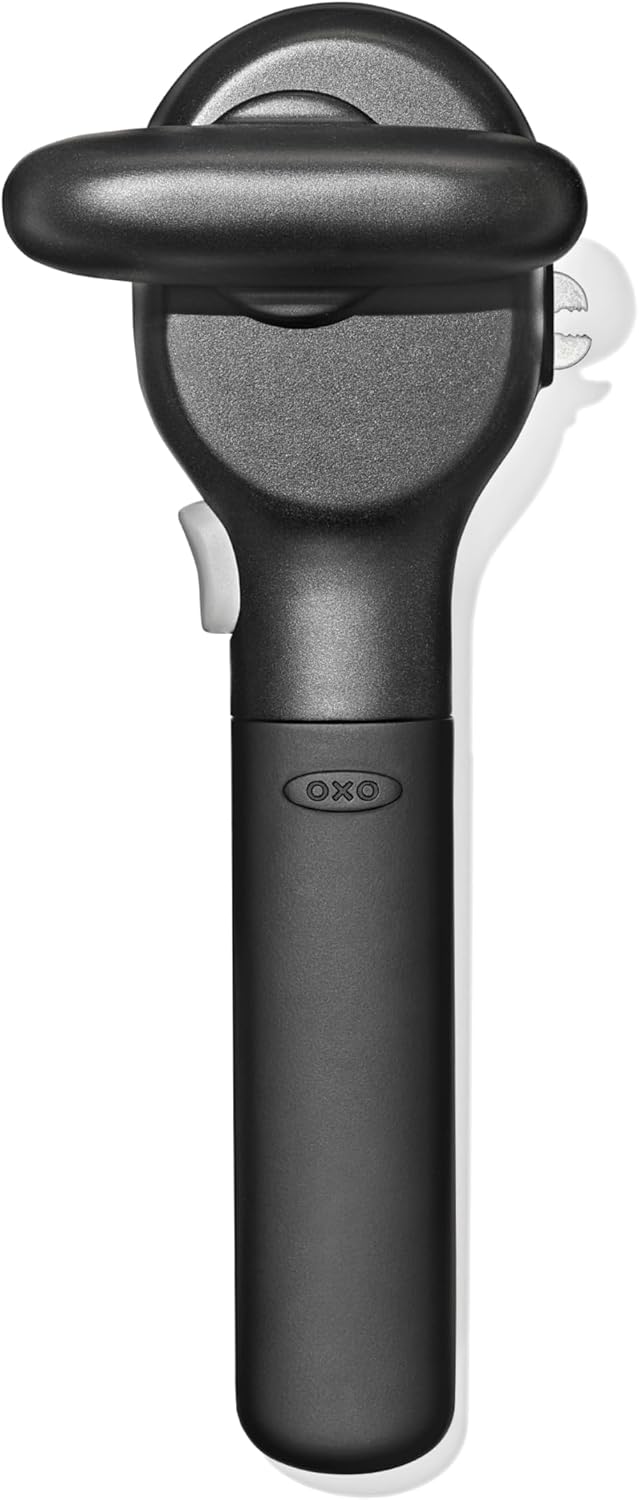
Finding a replacement when a kitchen tool fails can be frustrating, especially if an old zyliss can opener came apart during meal prep. Selecting a sturdy manual model helps ensure reliable daily performance without unexpected mechanical breakdowns.
This guide explores several manual options designed to handle everyday canned goods securely. By reviewing specific features like cutting mechanisms, handle materials, and lid release designs, you can choose a suitable kitchen tool that matches your exact food preparation preferences.
As an Amazon Associate, StacyLaughs earns from qualifying purchases.
Buying guide
Cutting Mechanism Types
Selecting a manual can opener starts with understanding the cutting style. Traditional top-cutting models pierce directly downward into the inner lid, separating it cleanly while leaving a sharp edge.
Alternatively, side-cut designs slice along the outer rim. This leaves smooth edges on both the lid and container, reducing accidental cuts during food preparation and handling.
Handle Ergonomics and Material Selection
Comfortable handles reduce hand strain during repetitive kitchen tasks. Models featuring soft-grip coatings, rubberized textures, or oversized profiles offer secure friction against slips during vigorous turning motions.
Material choices also vary between stainless steel frames, durable plastics, and alternative wheat straw composites. Each material influences the overall weight balance and tactile feedback experienced during daily food preparation routines.
Cleaning and Maintenance Requirements
Maintaining kitchen tools properly extends their functional lifespan. Many manual openers feature stainless steel components that resist corrosion, while others specify dishwasher-safe construction for simplified cleaning routines.
Certain models include moving gears or magnetic lifters that require careful rinsing. Keeping these contact points free from food residue ensures smooth turning motion and prevents mechanical binding over extended periods.
Additional Integrated Tools and Features
Modern manual openers often incorporate extra utility features to save space in crowded kitchen drawers. Built-in bottle openers allow users to remove beverage caps with the same handheld device.
Other specialized designs integrate ring-pull tools or magnetic lid lifters. These functional additions simplify opening tasks for specialized containers without requiring separate gadgets stored elsewhere in the kitchen.
Storage Footprint and Kitchen Drawer Fit
Physical dimensions dictate how easily a tool fits into available storage spaces. Compact models with streamlined profiles slide effortlessly into narrow utensil trays or shallow kitchen drawers.
Conversely, oversized turning knobs and bulky locking mechanisms require dedicated vertical clearance. Assessing your drawer dimensions beforehand ensures your chosen device stores away neatly without crowding other utensils.
Hand Strength and Operation Effort Levels
Hand strength influences which opening mechanism feels most comfortable to operate daily. Oversized turning knobs and mechanical gear reduction systems help minimize the physical effort needed to pierce tough metal lids.
Models with locking levers secure themselves onto cans automatically, reducing grip fatigue for users with limited hand strength. Matching the operation mode to your physical comfort ensures an efficient cooking experience.
Frequently asked questions
How do side-cut can openers differ from traditional models?
Side-cut can openers slice along the outer rim of the container rather than piercing straight down through the inner lid. This cutting action leaves smooth edges on both the lid and the remaining can body, which significantly reduces the risk of accidental cuts during food preparation and disposal. Traditional top-cutting models pierce the horizontal surface, creating a sharp inner rim. While both types operate manually, side-cut versions require precise alignment along the rim flange to engage the cutting wheel properly, offering enhanced safety during handling.
Are manual can openers safe to place in the dishwasher?
Dishwasher safety depends entirely on the specific manufacturer specifications for each model. Many stainless steel and plastic handheld openers are rated dishwasher safe, allowing for convenient cleanup after prepping meals. However, submerging certain geared mechanisms or wooden handles can lead to premature wear or mechanical binding over time. It is always best to review the manufacturer guidelines and cleaning recommendations provided with your specific kitchen tool to ensure proper maintenance and longevity.
What causes a manual can opener to lose its grip?
A manual can opener may lose its grip if food residue accumulates on the cutting wheel or traction gears over extended use. Regular cleaning helps prevent sticky substances from interfering with the rotation and piercing mechanics. Additionally, applying uneven vertical pressure or attempting to force the tool onto heavily dented containers can cause the mechanism to slip. Ensuring clean contact points and maintaining proper alignment against the rim helps preserve smooth everyday performance.
Why choose a model with a built-in magnetic lid lifter?
A built-in magnetic lid lifter secures the separated lid immediately after the cutting wheel finishes its rotation. This feature allows for touch-free lid disposal directly into the trash can, keeping your hands clean and preventing the lid from falling inside the food contents. It adds a layer of convenience and hygiene during meal preparation, especially when handling tall or fluid-filled containers. Users who prefer avoiding direct contact with sharp metal edges find magnetic lifters particularly useful.
How can I reduce hand strain when opening stiff cans?
Reducing hand strain involves choosing models equipped with ergonomic soft-grip handles, oversized turning knobs, or mechanical gear assistance. These design features provide better leverage and secure friction, making it easier to rotate the cutting wheel without applying excessive grip force. Individuals with limited hand strength can also look for locking mechanisms that hold the tool securely onto the rim, minimizing the physical effort required to keep the cutting wheel engaged throughout the rotation process.