Appliances · Buying Guide
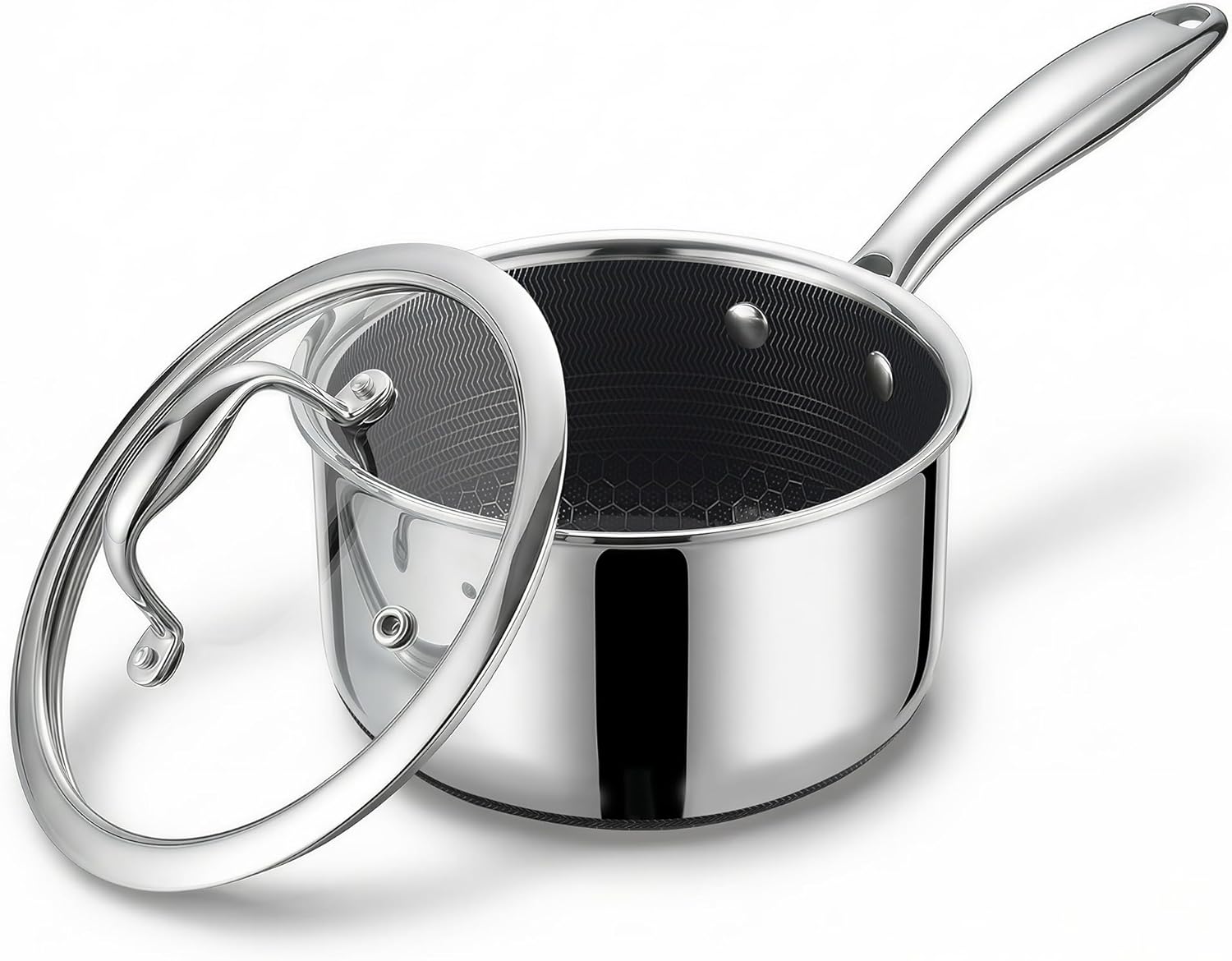
Best 1 Quart Saucepan With Lid Options for Everyday Cooking
Finding the right 1-quart saucepan with lid can simplify daily kitchen tasks like warming small batches of soup, melting butter, or simmering savory reductions. These compact pots offer practical capacities for single-serving meals and side dishes.
Evaluating options requires looking at core construction materials, handle comfort, and compatibility with your specific stovetop setup to ensure reliable performance during everyday meal preparation.
As an Amazon Associate, StacyLaughs earns from qualifying purchases.
Buying guide
Material Composition and Heat Distribution
Choosing the right material composition for a 1-quart saucepan directly influences how evenly your food cooks. Stainless steel models often feature encapsulated or thick aluminum core bases to bridge the gap between durable metal exteriors and rapid thermal conductivity. Aluminum alloys conduct heat exceptionally well on their own, warming up quickly for precise temperature control.
Understanding these core building blocks helps you match your cookware to your daily recipes, whether you are gently melting butter or simmering delicate cream sauces without scorching the bottom edges.
Nonstick Coatings and Surface Types
Nonstick coatings simplify food release and cleanup for sticky ingredients like cheese, chocolate, or warm grains. Ceramic, titanium, and Quantanium finishes allow you to cook with minimal oil during low-to-medium heat preparation.
Traditional stainless steel surfaces lack these coatings but offer higher durability against metal utensils and scrubbing tools. Selecting between nonstick and bare metal depends entirely on your personal cooking preferences and how frequently you prepare delicate foods that tend to cling.
Stovetop Compatibility and Heat Sources
Stovetop compatibility remains a critical factor when purchasing a compact saucepan for your kitchen. While many traditional stainless steel pots work across gas, electric, ceramic, and induction ranges, several aluminum and ceramic-coated models explicitly exclude induction use.
Checking your specific cooktop type against manufacturer specifications prevents compatibility issues before you begin cooking your favorite everyday recipes, ensuring reliable thermal contact and safe operation across your available burners.
Lid Design and Visibility Options
Lids play an essential role in trapping moisture, regulating pressure, and maintaining stable internal temperatures while simmering liquids. Tempered glass covers allow you to observe your food visually from start to finish without lifting the lid.
Stainless steel lids provide a classic, durable alternative that seals tightly against the rim to lock in flavor and steam. Your choice between glass and metal depends on whether you prefer monitoring progress visually or prioritizing traditional styling.
Handle Ergonomics and Stovetop Safety
Handle design impacts both comfort and safety when lifting or moving a filled 1-quart saucepan. Riveted solid stainless steel handles provide a secure, permanent attachment that will not loosen over extended periods of frequent kitchen tasks.
Many models incorporate stay-cool engineering to keep handles comfortable during stovetop use, while ergonomic contours ensure a firm grip. Evaluating how a handle feels in your hand helps reduce fatigue when pouring liquids or transferring pots.
Maintenance Requirements and Cleanup Ease
Proper maintenance routines extend the functional lifespan of your cookware and preserve exterior finishes. Dishwasher-safe models offer quick cleanup for busy households, whereas specialized nonstick coatings may require gentle hand washing with warm soapy water and non-abrasive pads.
Following manufacturer guidelines for cleaning and heat limits prevents premature wear, protecting your investment and keeping your small saucepan performing reliably for everyday meal preparation tasks.
Frequently asked questions
What can I cook in a 1-quart saucepan with lid?
A 1-quart saucepan is ideally sized for preparing small portions, making it exceptionally useful for melting butter, warming individual servings of soup, boiling a couple of eggs, or simmering homemade sauces and gravies. Its compact capacity prevents large surface areas from drying out when working with minimal ingredients. While it cannot accommodate large family-style meals, it excels at focused tasks where precision and quick temperature adjustments matter most during daily cooking routines in any home kitchen setup.
Are all 1-quart saucepans compatible with induction cooktops?
No, compatibility varies widely depending on the primary materials and base construction of each specific saucepan. While full-cap stainless steel models often work seamlessly on magnetic induction ranges alongside gas and electric burners, many aluminum and ceramic-coated pots explicitly exclude induction support. You should always verify the manufacturer specifications for your chosen product to ensure it matches the exact heating technology installed in your kitchen before finalizing your purchase decision.
How should I clean a nonstick 1-quart saucepan?
Cleaning a nonstick saucepan generally requires gentle care to protect the specialized coating from scratching or peeling over time. Many manufacturers recommend washing these pots by hand using warm water, mild dish soap, and a soft non-abrasive sponge or pad rather than harsh metal scouring tools. Although certain nonstick models claim dishwasher safety, adhering to manual cleaning instructions often helps preserve the longevity of the smooth nonstick surface layer during regular use.
What is the advantage of a glass lid versus a stainless steel lid?
A tempered glass lid offers the distinct advantage of letting you monitor your food visually from start to finish without lifting the cover and letting valuable heat escape. This visibility helps prevent boiling over and allows precise timing for delicate sauces. In contrast, a stainless steel lid provides a traditional appearance and robust durability, sealing tightly against the rim to lock in moisture and flavor during extended simmering sessions without risking accidental glass breakage.
Can I put a 1-quart saucepan in the oven?
Oven safety depends entirely on the specific materials and handle construction of the individual saucepan. Some models feature oven-safe designs up to moderate temperatures like 350 degrees Fahrenheit, while others tolerate higher heat up to 450 degrees Fahrenheit due to heat-resistant handles and specialized coatings. You must always consult the specific manufacturer guidelines and user manual before transferring any stovetop saucepan into a hot oven to prevent damaging handles, lids, or nonstick layers.