Appliances · Buying Guide
Best 10 Inch Electric Frying Pan Options for Versatile Countertop Cooking
Finding the right countertop appliance involves carefully matching surface dimensions, heating mechanisms, and daily cleanup needs to your kitchen routine. Modern electric skillets offer independent heating surfaces that free up traditional stovetop burner space while providing adjustable temperature controls for frying, roasting, stewing, and simmering everyday recipes without requiring extra burner space.
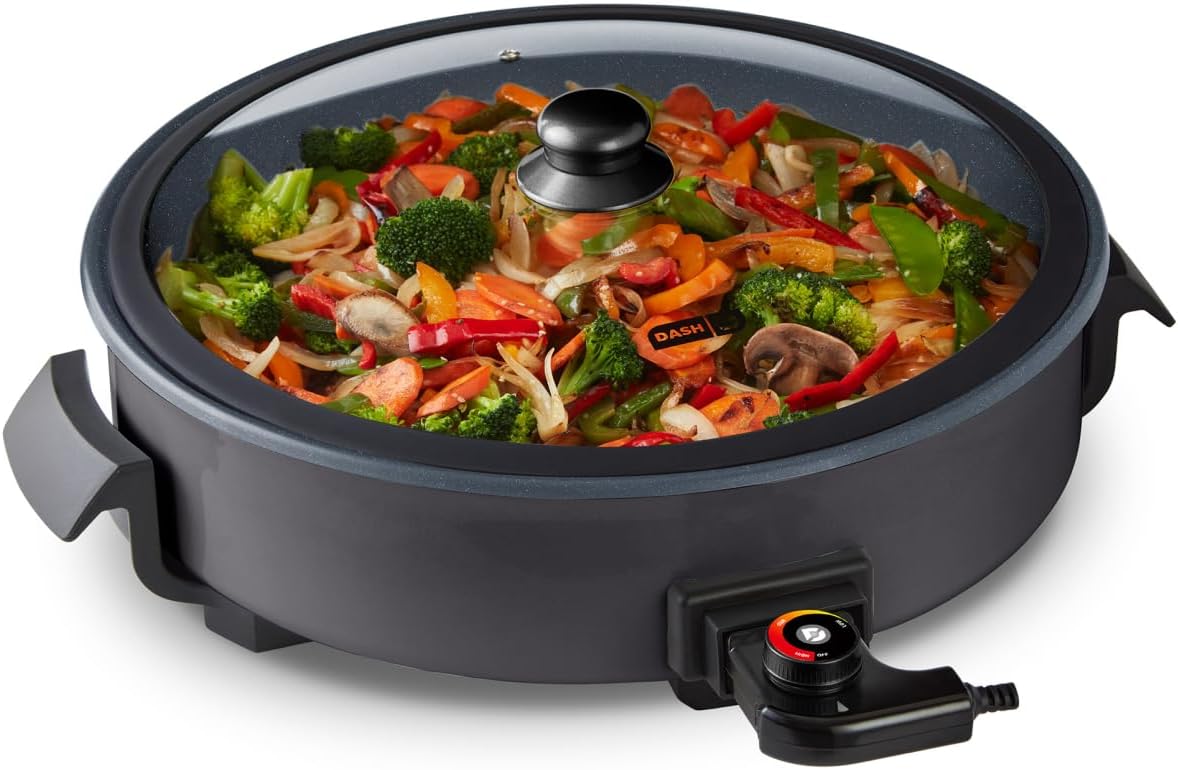
Exploring available tabletop frying pans helps you identify versatile models featuring ceramic nonstick coatings, tempered glass lids, and reliable temperature control probes. Whether you require compact storage solutions for small apartments or large family-sized cooking vessels for hosting guests, understanding these core specifications ensures you select an appliance matching your cooking expectations and layout.
As an Amazon Associate, StacyLaughs earns from qualifying purchases.
Buying guide
Surface Dimensions and Capacity
Selecting the appropriate cooking surface size depends heavily on your typical household meal portions and available kitchen layout. Smaller round electric skillets measuring around eleven inches suit single users or couples preparing quick breakfast items, eggs, and side dishes without cluttering limited counter space. Measuring your dedicated storage spots helps prevent buying units that exceed your cabinet dimensions.
Larger twelve to fourteen-inch square models accommodate multi-person families and high-volume batch cooking tasks with complete ease. Evaluating your regular recipe volumes ensures you choose between compact round configurations and expansive square designs that fulfill daily dining requirements without forcing you to cook in multiple separate shifts for guests.
Temperature Control and Wattage
Power ratings and heating mechanisms dictate how fast your electric pan reaches desired cooking levels for different recipes. Units ranging from 1000 to 1400 watts deliver reliable thermal energy for frying, roasting, and simmering various ingredients efficiently. Higher wattage models generally heat up faster, which greatly benefits quick meal preparation during busy weeknights and large family gatherings.
Look closely for adjustable temperature probes featuring precise numerical dials or clear low-to-high settings. Removable thermostats allow you to safely submerge the main pan body during cleanup while giving you exact control over delicate simmering sauces, breakfast pancakes, or high-heat searing tasks without burning your food items.
Nonstick Coatings and Materials
Interior cooking surfaces typically utilize advanced ceramic nonstick coatings designed to promote effortless food release and reduce the need for excessive cooking oils during everyday meal preparation. Ceramic materials support easy food cleanup and simplify wiping down the interior after cooking sticky dishes, eggs, or sugary sauces without stubborn residue buildup.
Cast aluminum and forged iron bases provide durable structural foundations that distribute heat evenly across the entire pan cooking floor. Checking material specifications ensures you select a sturdy, warp-proof construction capable of withstanding frequent thermal shifts during heavy cooking routines while maintaining consistent performance over years of regular kitchen use across diverse menus.
Lids and Heat Retention
Tempered glass lids play a vital role in trapping heat and moisture inside the pan while allowing you to monitor cooking progress visually without lifting the glass cover. Clear glass visibility prevents unnecessary heat loss, ensuring stews, soups, sauces, and roasts simmer consistently throughout the entire cooking cycle without interrupting internal temperatures.
Some modern models incorporate specialized features like protective silicone spacers to reduce glass pressure or heavy-duty locking clamps for secure food transport during events. Inspecting lid designs helps you choose appliances that combine safe heat retention with convenient features for direct table serving and compact vertical cabinet storage solutions.
Cleanup and Maintenance
Maintaining your electric skillet involves following specific manufacturer cleaning guidelines, which almost always include removing the electronic temperature control probe prior to washing the vessel thoroughly. Fully immersible pan bases and dishwasher-safe removable components streamline post-meal cleanup routines significantly for busy households seeking to minimize kitchen chores after finishing dinner.
Ceramic nonstick interiors may require gentle hand washing on certain specific models to preserve coating longevity and prevent premature surface wear over time. Reviewing whether parts are dishwasher safe or require manual scrubbing ensures you select an appliance matching your preferred maintenance style without creating unexpected daily chores in your kitchen.
Storage and Portability
Countertop appliances must fit comfortably within your available kitchen storage spaces when not actively in use for daily cooking tasks. Modern models featuring integrated electrical cord wraps, compact footprints, or innovative inverted lid storage designs help save valuable cabinet room in smaller kitchens and crowded pantries alike without causing clutter.
If you plan to transport your skillet to potlucks, holiday parties, tailgates, or family gatherings, look for secure locking lid clamps and sturdy cool-touch side handles. These transport-friendly features prevent accidental food spills and make moving the warm appliance much safer when traveling away from your home kitchen environment.
Frequently asked questions
Can I submerge my electric skillet in water for cleaning?
Many electric skillets are fully immersible in water for easy cleaning, but this convenience always requires completely removing the electronic temperature control probe first. You must always consult the specific manufacturer instructions for your chosen model before submerging any part, as some ceramic nonstick pans require gentle hand washing rather than dishwasher placement or total immersion to protect the internal electrical components and exterior finishes over time.
How do I prevent food from sticking to the electric pan?
Preventing food from sticking involves utilizing the built-in ceramic nonstick coating properly and applying a light coating of cooking oil before heating your ingredients on the surface. Avoid using metal utensils that can scratch the delicate nonstick finish over time, opting instead for wooden, plastic, or silicone tools. Maintaining correct temperature settings also prevents burning and residue buildup, making post-cooking cleanup much faster and keeping your cooking surface smooth.
Are electric skillets safe to use directly on dining tables?
Electric skillets are frequently designed for direct tabletop serving because they feature cool-touch side handles that protect your hands from burns when lifting or carrying the vessel from the counter. Many models also include stable bases or serving features like buffet server capabilities. However, you should always place the hot skillet on a heat-resistant pad or trivet to protect your table surface from high thermal temperatures once unplugged.
What is the advantage of a tempered glass lid?
A tempered glass lid lets you monitor your cooking progress visually without lifting the cover, which prevents heat and moisture from escaping during the cooking process. This helps maintain consistent internal temperatures for stews, soups, and simmered dishes. Additionally, tempered glass is engineered to withstand high temperatures and steam safely, while included accessories like silicone spacers help reduce pressure and prevent accidental cracking during storage or active daily cooking routines.
How can I store a bulky electric skillet in a small kitchen?
Storing an electric skillet in a compact kitchen becomes much easier if you select models featuring space-saving designs, such as inverted locking lids or integrated electrical cord wraps. Some specialized skillets allow you to store the unit on its side inside cabinets without wasting vertical space. Detaching the temperature probe and storing the power cord neatly also prevents tangling and helps the appliance fit snugly into crowded pantry shelves or lower cabinets.