Appliances · Buying Guide
Best 12 Qt Soup Pots for Large Batches and Family Meals
Finding the right cooking vessel for large gatherings requires looking closely at capacity, base construction, and stovetop compatibility. A twelve quart soup pot handles massive quantities of broth, chili, or pasta without boiling over onto the stove. Home cooks preparing food for crowds or stocking the freezer benefit from evaluating how different metals and coatings manage heat transfer.
Manufacturers build these large vessels using stainless steel, multi-layered cores, or nonstick ceramic materials designed to handle high-volume recipes. Understanding how handles, lids, and heat distribution bases function helps match a pot to specific kitchen needs. Examining individual product specifications ensures reliable performance when simmering stocks or boiling corn for family dinners.
As an Amazon Associate, StacyLaughs earns from qualifying purchases.
Buying guide
Material Composition and Heat Distribution
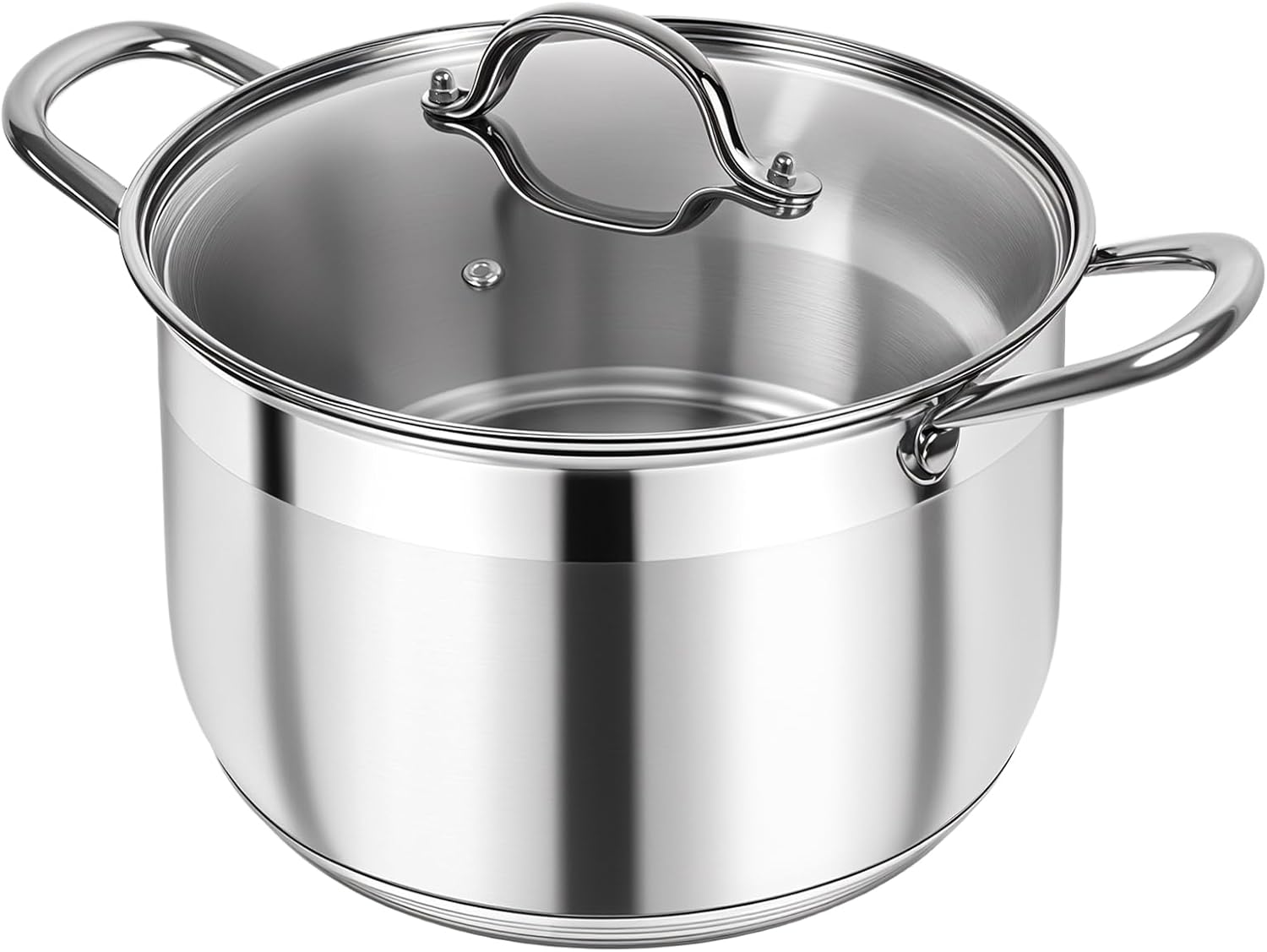
Choosing the right metal impacts how your twelve quart soup pot handles temperature changes. Stainless steel offers exceptional durability and resists rust, making it a reliable choice for long-term kitchen tasks. Models featuring aluminum cores or multi-layer bonded bases significantly improve thermal transfer across the entire bottom surface during cooking.
This efficient distribution prevents localized hot spots that can scorch delicate broths or thick sauces during extended simmering sessions. Evaluating your primary cooking habits helps determine whether a pure metal finish or a layered construction serves your daily meal preparation best.
Capacity and Dimensional Footprint
A twelve quart capacity provides ample room for boiling corn, simmering stocks, and preparing meals for large gatherings. However, high capacity also means a wider footprint and increased height when stored in kitchen cabinets or placed on standard stovetop burners. Measuring your burner dimensions ensures the pot base makes full contact for efficient heating.
Consider your storage space before purchasing a large vessel, as bulkier pots with side handles require generous shelf clearance. Matching the physical dimensions of the cookware to your kitchen layout prevents storage frustration and ensures comfortable use during routine meal preparation tasks and holiday cooking events.
Interior Coatings and Food Release
The interior surface of a large soup pot dictates how easily foods release and how much effort cleanup requires. Traditional uncoated stainless steel surfaces provide maximum durability and handle metal utensils without scratching, though starchy ingredients may require soaking. Ceramic nonstick interiors offer effortless food sliding and rapid wiping.
These coated options reduce scrubbing time significantly after preparing sticky sauces or thick chili batches for crowds. Weighing your preference for traditional metal durability against the convenience of modern nonstick finishes guides you toward the ideal cooking vessel for your household routines.
Handle Design and Ergonomic Safety
Lifting a twelve quart pot filled with water or heavy ingredients requires secure, well-fastened handles. Riveted stainless steel handles provide structural strength and long-lasting security, attaching firmly to the pot body without loosening over time. However, metal handles can conduct heat during long cooking sessions on the stovetop.
Some designs incorporate silicone-wrapped grips that stay cool to the touch, eliminating the immediate need for potholders when transferring the pot. Evaluating how you prefer to grip and move heavy cookware helps select a handle style that prioritizes safety and comfort.
Lid Construction and Moisture Control
Transparent tempered-glass lids allow you to monitor simmering progress and liquid levels without lifting the cover and releasing heat. Many lids feature integrated steam vents designed to prevent excessive pressure buildup and reduce the risk of accidental steam scalds when opened. A tight seal locks in moisture.
This retention preserves natural flavors during hours-long broth simmering or stew preparation. Checking whether the lid includes a heat-resistant handle grip ensures safe operation during busy cooking sessions when you need frequent visibility into the pot.
Stovetop Compatibility and Heat Sources
Ensuring your new soup pot matches your specific kitchen stove is essential for achieving reliable heating performance. While many stainless steel and ceramic pots feature magnetic bases compatible with induction cooktops, certain multi-layer models require traditional gas or electric ranges. Always verify burner sizing requirements.
A flat, warp-resistant bottom guarantees full contact across ceramic, halogen, and gas stovetops for consistent energy absorption. Reviewing your kitchen stove type before selecting a stock pot ensures optimal thermal efficiency and prevents compatibility issues during meal preparation.
Frequently asked questions
Can a twelve quart soup pot fit on a standard kitchen stove burner?
Most standard kitchen stoves can accommodate a twelve quart pot, but burner size matters significantly for heat distribution. Matching the pot base diameter to your stove burner ensures that heat transfers evenly across the bottom surface. If the burner is too small, outer edges may take longer to reach cooking temperatures. Checking your specific cooktop dimensions and the pot base specifications before purchasing helps guarantee proper fit and consistent cooking performance during large meal preparations.
How do I clean a stainless steel stock pot after cooking starchy foods?
Cleaning a stainless steel pot after boiling pasta or starchy ingredients usually involves warm soapy water and a non-abrasive sponge. If food residue sticks to the interior surface, letting the pot soak in warm water for a short period helps loosen stubborn particles. You can also use a mild baking soda paste for gentle scrubbing without scratching the metal. Many stainless steel models are dishwasher safe, offering a convenient cleanup option for busy home cooks managing large kitchen batches.
What is the main advantage of using a pot with a multi-layer base?
A multi-layer base, such as a tri-ply or five-layer construction, combines metals like aluminum and stainless steel to optimize heat distribution. The aluminum core absorbs heat rapidly and spreads it evenly across the entire bottom surface, while the stainless steel exterior provides durability and stove compatibility. This engineering prevents hot spots that can scorch delicate broths, simmering sauces, or boiling milk. It ensures reliable thermal performance whether you are preparing quick weekday dinners or slow-simmering weekend stocks.
Are ceramic nonstick stock pots safe to use with metal utensils?
Ceramic nonstick stock pots generally require non-metal utensils like silicone, wood, or heat-resistant plastic to protect the coated interior surface from scratching. Using metal spoons or whisks can damage the ceramic layer, diminishing its food-release properties over time. Sticking to gentle kitchen tools preserves the nonstick performance and ensures effortless food sliding during daily cooking tasks. Always review manufacturer guidelines regarding utensil compatibility to maintain the long-term quality of your coated cooking vessel.
Can I transfer my twelve quart soup pot directly into the oven?
Oven compatibility depends entirely on the specific materials used in the pot construction, particularly the handles and lid components. Some stainless steel stock pots withstand oven temperatures up to three hundred fifty degrees Fahrenheit, making them versatile for recipes that transition from stovetop to oven. However, pots with certain plastic handles or specific nonstick coatings may have strict temperature limits. Always check the manufacturer specifications before placing any large cooking pot into a hot oven environment.