Appliances · Buying Guide
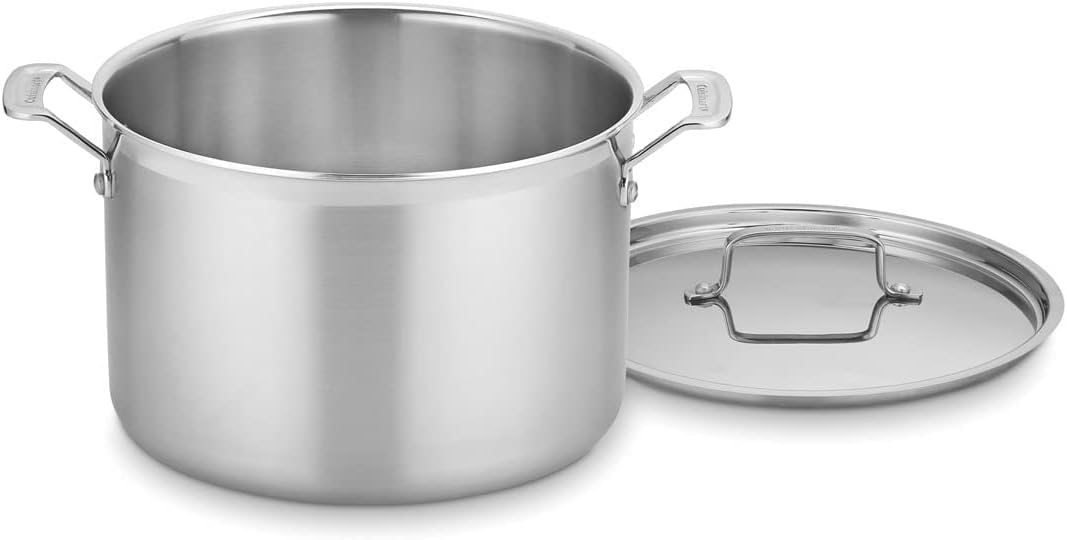
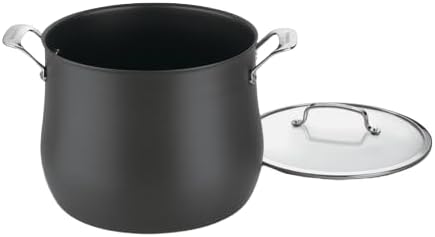
Best 12 Quart Cuisinart Stockpot Choices for Home Kitchens
Selecting a large pot for simmering broths, boiling pasta, or preparing large batches of soup requires careful attention to materials, capacity, and heat distribution. Home cooks often seek reliable cookware that handles daily stove work effortlessly while offering sturdy construction and dependable thermal performance for various recipes. Choosing the right vessel ensures even heating across your burners and consistent cooking results every time you cook.
This overview examines several large-capacity cooking vessels designed to meet these exact kitchen demands. By looking at specific construction materials, lid designs, and temperature thresholds, you can determine which model fits your cooking style and stovetop setup without guessing about physical specifications. Reviewing these features helps streamline your daily meal preparation tasks and supports long-term kitchen efficiency.
As an Amazon Associate, StacyLaughs earns from qualifying purchases.
Buying guide
Material Composition and Heat Distribution
Selecting the right stockpot begins with understanding metal construction types, such as multi-ply stainless steel or hard-anodized aluminum. These materials dictate how evenly heat spreads across the bottom and up the side walls of the vessel. A solid inner core prevents localized hot spots that can easily scorch delicate broths, stocks, or reduction sauces during extended simmering sessions on the burner.
Multi-ply designs bond different metals together to combine structural durability with thermal efficiency, ensuring your cooking vessel responds quickly to temperature adjustments. Evaluating these structural foundations helps you choose cookware that matches your daily cooking habits and stovetop type, whether you rely on traditional gas flames, electric smooth cooktops, or modern magnetic induction surfaces.
Capacity Considerations for Batch Cooking
Twelve-quart capacities offer generous room for boiling large amounts of pasta, preparing family-sized batches of soup, or canning seasonal vegetables. Assessing your typical batch size prevents buying a pot that feels overwhelmingly large for everyday meal prep or frustratingly small when hosting dinner parties. Having sufficient interior volume lets you submerge bulky ingredients without risking accidental overflows on the stove.
Consider your typical stovetop burner layout and kitchen sink dimensions, as larger pots take up considerable physical space during washing and filling tasks. Matching the liquid volume to your actual cooking needs ensures your cookware remains practical and easy to manage throughout the entire meal preparation process, from initial ingredient loading to final cleanup.
Handle Design and Ergonomic Control
Ergonomic handles are vital for maintaining steady control when lifting a heavy stockpot filled with gallons of hot liquids. Riveted handle attachments offer superior structural strength compared to basic welded joints, significantly reducing the mechanical risk of loosening over years of frequent kitchen use and heavy weight loads. Solid metal joints provide extra peace of mind.
Look for contoured designs that fit comfortably in your hand, along with specialized materials that help stay cool during long cooking cycles on the stove. Evaluating handle placement and grip geometry ensures you can safely transport your cookware between the stovetop, sink, and countertops without straining your wrists or losing your balanced grip during transport.
Lid Types and Moisture Retention
The clear choice between a transparent glass cover and a solid metal lid impacts both cooking observation and thermal retention. Tempered glass lids allow you to monitor simmering foods without lifting the cover, preventing sudden temperature drops inside the pot and helping maintain a steady simmer for delicate broths, soups, and sauces.
Solid metal lids often withstand higher oven temperatures and provide robust durability for high-heat baking tasks or broil settings where glass might be restricted. Weighing these lid characteristics helps determine whether visual convenience or extreme heat tolerance best serves your preferred recipes and kitchen environment, keeping moisture and natural flavor locked tightly inside the pot.
Oven Safety and Temperature Limits
Cookware versatility expands significantly when a stockpot transitions safely from stovetop burners directly into the oven cavity for braising meat or roasting root vegetables. Different metals, riveted handles, and lid configurations establish specific maximum temperature thresholds that you must respect to prevent material damage during extended high-heat cooking sessions and complex baking tasks.
Reviewing manufacturer temperature ratings ensures your pot handles complex recipes, baking steps, or finishing tasks without warping the flat metal base or damaging hardware. Understanding these thermal limits prevents accidental degradation of handles, exterior coatings, or glass components during demanding high-heat culinary applications in your home kitchen oven environment safely.
Cleanup and Maintenance Requirements
Maintaining cookware longevity depends on strictly following proper cleaning protocols and understanding individual surface finishes. Dishwasher-safe pots offer convenient cleanup after heavy cooking sessions, while specialized exterior coatings may require gentle hand washing with mild soap to preserve their original visual appeal and prevent surface scratching over extended periods of regular use.
Regular maintenance keeps stainless steel and anodized surfaces free from stubborn residue buildup, ensuring your pots perform reliably over years of daily kitchen service. Proper care protects handles, seals, and rivets from unnecessary wear during routine washing tasks in your kitchen sink or recommended dishwasher cycles without compromising structural integrity.
Frequently asked questions
What advantages do multi-ply stainless steel stockpots offer?
Multi-ply stainless steel stockpots combine an exterior magnetic steel layer with an inner aluminum core and non-reactive cooking surface. This bonded structure distributes heat evenly across the base and up the side walls, eliminating localized hot spots that can scorch delicate broths or sauces. The metal layers also provide durability and quick thermal responsiveness, allowing the pot to adjust rapidly when you change burner temperatures. Furthermore, stainless steel resists corrosion and does not react with acidic ingredients, making these pots versatile for long-term daily meal preparation tasks.
Are glass lids better than solid metal lids for stockpots?
Choosing between glass and metal lids depends entirely on your personal cooking preferences and high-temperature requirements. Tempered glass covers let you observe boiling or simmering progress clearly without lifting the lid, which traps heat and moisture inside. However, solid metal lids typically offer higher oven safety limits and rugged durability for intense baking or broiling applications where glass might be restricted. If you prefer monitoring liquid levels visually, glass is ideal; if you need extreme oven tolerance, solid steel is the safer option.
Can these 12-quart stockpots be used on induction cooktops?
Compatibility with induction cooktops depends entirely on the exterior base material of the specific stockpot model. Pots featuring a magnetic stainless steel exterior or an induction-ready encapsulated base work seamlessly with magnetic cooktop burners. It is important to verify the manufacturer specifications for each model, as hard-anodized or non-magnetic aluminum exteriors may require specific base plates or lack direct induction compatibility. Always check your cooktop requirements and pot material details before attempting to use them on an induction range.
How should I clean and maintain a hard-anodized stockpot?
Hard-anodized stockpots feature specialized exterior finishes that typically require hand washing with warm soapy water rather than automated dishwasher cycles. Running hard-anodized cookware through a dishwasher can dull the exterior finish and degrade the protective surface over time. You should use non-abrasive sponges or cloths to clean both the interior and exterior surfaces, avoiding harsh scouring pads that cause scratching. Following these manufacturer cleaning guidelines helps preserve the appearance and structural performance of your hard-anodized cookware investment.
What is the benefit of a solid aluminum core in cookware?
A solid aluminum core serves as an exceptional thermal conductor, drawing heat quickly from the burner and spreading it evenly across the entire base of the pot. Because stainless steel alone can develop hot spots, embedding an aluminum layer bridges the gap to provide balanced heating performance. This even heat distribution prevents food from burning in isolated spots, ensuring soups, stews, and stocks simmer uniformly. It enhances energy efficiency and delivers consistent culinary results across various cooktop types.