Appliances · Buying Guide
Best 12 Quart Soup Pot Options for Large Family Meals and Batch Cooking
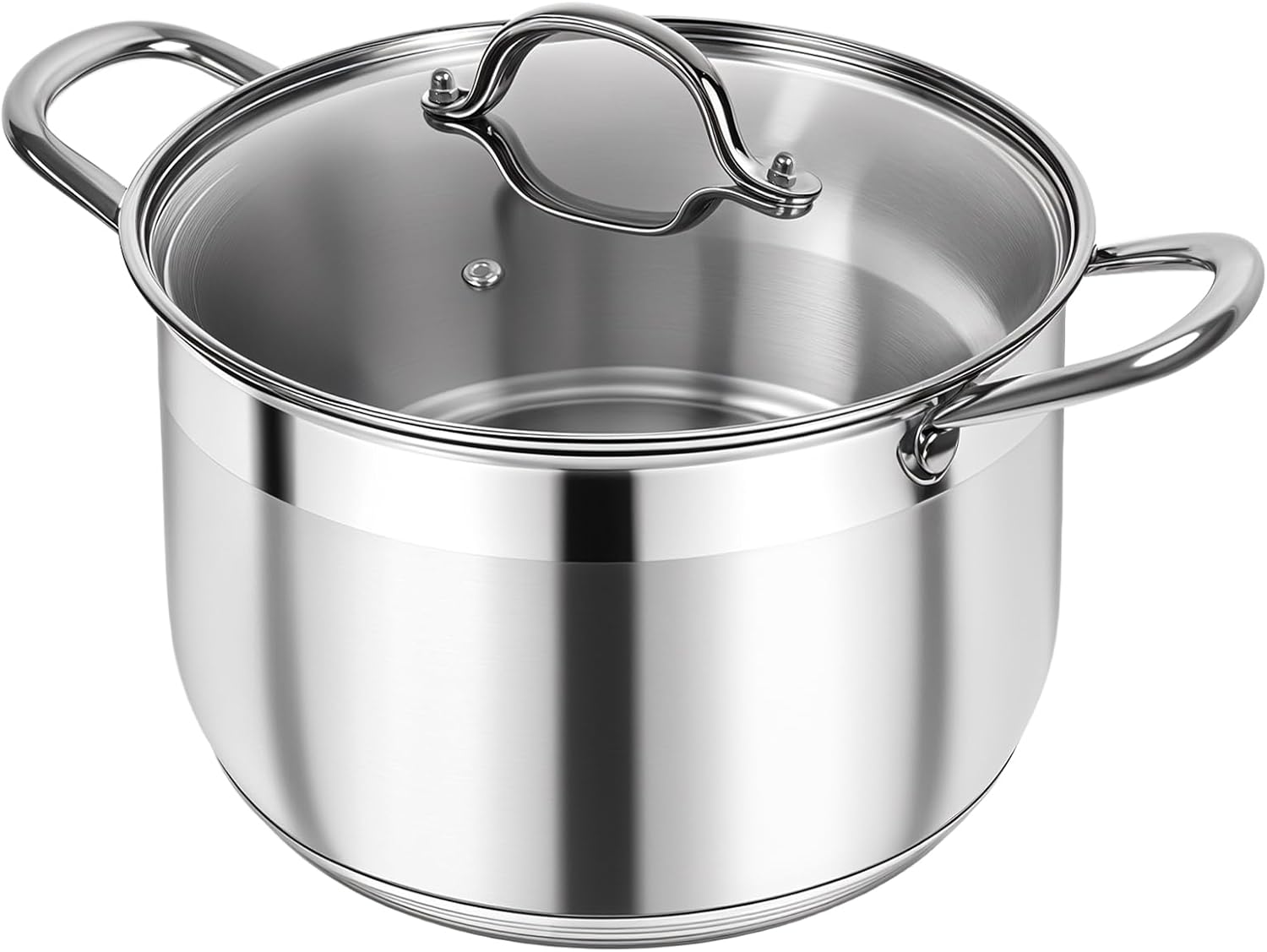
Finding the right large-capacity cookware for preparing family feasts, stocks, and seasonal batches requires carefully evaluating materials, base construction, and overall heat distribution. A 12 quart soup pot provides ample room for cooking large quantities of liquids, pastas, and stews without constantly worrying about overflows or running out of space during large gatherings and heavy holiday meal preparations.
Different models offer distinct structural advantages, ranging from multi-layer stainless steel bases and nonstick ceramic coatings to ergonomic silicone grips and tempered glass lids. Reviewing these design specifications helps match a specific pot construction to everyday stovetop preferences, cleaning routines, and long-term recipe requirements across various household and commercial cooking environments.
As an Amazon Associate, StacyLaughs earns from qualifying purchases.
Buying guide
Material Composition and Durability
Choosing the right material for a large soup pot impacts long-term performance, cleaning routines, and resistance to everyday kitchen wear. Stainless steel grades like 304 or 18/10 provide sturdy resistance against rust, food reactions, and corrosion during high-heat cooking tasks, ensuring the vessel maintains structural integrity through years of heavy family meal preparation.
Alternative aluminum cores or bodies offer lighter handling characteristics while still supporting intensive batch cooking requirements. Evaluating these structural metals helps ensure the cookware withstands frequent boiling and simmering without warping or degrading, matching your preferred cleaning habits and long-term kitchen demands for reliable performance across various recipes.
Base Construction and Heat Distribution
The foundation of any large cooking pot dictates how efficiently energy transfers from the burner to your ingredients. Impact-bonded bases or multi-layer composite bottoms prevent hot spots and scorching by spreading thermal energy evenly across the entire cooking surface. This uniform heating is especially critical when simmering thick sauces or delicate broths for extended periods.
Reviewing the thickness and layer composition of the pot base clarifies its compatibility with various heat sources. A solid base maintains flat contact with the cooktop surface, reducing energy loss and ensuring predictable cooking results whether you are boiling water rapidly or maintaining a slow simmer for hearty stews.
Interior Coatings and Food Release
Interior surface finishes directly influence how easily food releases from the pot and how much effort is required afterward. Nonstick coatings, including advanced ceramic layers, allow thick soups and stews to slide off smoothly, minimizing burned residue. This characteristic simplifies cleanup routines for busy cooks preparing large batches of food frequently.
Uncoated stainless steel alternatives offer a durable metal cooking surface that tolerates metal utensils and intensive scouring without damaging a coating layer. Choosing between these interior finishes depends on your personal cooking style, preferred cleaning methods, and the types of recipes you prepare most often in your kitchen.
Lid Design and Moisture Control
A well-designed lid plays a vital role in trapping steam, retaining heat, and monitoring culinary progress without constantly lifting the cover. Tempered glass lids allow cooks to observe simmering broths visually while maintaining internal pressure and moisture levels. Integrated steam vents prevent excessive pressure buildup during vigorous boiling phases.
Handle placement and insulation on the lid also contribute to safe operation during active cooking sessions. Features like silicone-wrapped knobs or ergonomic stainless handles ensure you can lift the cover safely to check on meals without risking burns from trapped steam or elevated temperatures.
Handle Ergonomics and Transport Safety
Managing a twelve-quart pot filled with liquid requires secure, well-fastened handles that can support substantial weight safely. Riveted or welded side handles provide structural stability, preventing detachment when carrying heavy loads from the stovetop to a serving area. Ergonomic shaping helps maintain a firm grip during transport.
Consideration should also be given to whether the handles conduct heat during extended boiling tasks. While metal handles offer maximum durability, silicone grips or insulated designs provide cooler touch points that reduce the immediate need for protective mitts during serving.
Stovetop Compatibility and Size
Ensuring your chosen soup pot matches your specific kitchen range is essential for efficient energy use and cooking safety. While many stainless steel and multi-layer pots work across gas, electric, ceramic, and induction cooktops, certain specialized bases require verification regarding induction compatibility before purchase.
Capacity size also dictates storage fit within kitchen cabinets and clearance on standard burners. Assessing both the height and diameter dimensions helps ensure the pot fits comfortably in your storage spaces while accommodating your intended batch-cooking volumes effortlessly.
Frequently asked questions
Can a 12 quart soup pot be used on an induction cooktop?
Induction compatibility depends entirely on the specific metal composition of the pot base. Many stainless steel soup pots feature magnetic outer layers or multi-layer composite bases that work seamlessly on induction ranges. However, certain heavy-duty models explicitly state they are not compatible with induction stoves due to their specific layer design. Always review the manufacturer specifications regarding cooktop compatibility before purchasing to ensure the pot functions properly on your particular kitchen range.
What is the benefit of a multi-layer or tri-ply pot base?
A multi-layer or tri-ply base significantly improves how heat spreads across the bottom of the pot. By sandwiching an aluminum core between layers of stainless steel, these pots achieve rapid and even heat distribution while eliminating hot spots that can scorch food. This construction prevents burning during long simmering sessions for soups, stews, and thick sauces. It also provides a stable, warp-resistant foundation that maintains flat contact with various stovetop burners over years of use.
How should I clean a stainless steel soup pot with stuck-on food?
When dealing with stuck-on food in an uncoated stainless steel soup pot, letting the pot cool completely before washing is the safest first step. Soaking the interior in warm, soapy water helps loosen stubborn residues. For tougher spots, creating a paste with baking soda and water allows you to gently scrub the surface without scratching the metal. Most stainless steel pots are also dishwasher safe, though hand washing helps maintain the exterior mirror or satin finish over time.
Are nonstick ceramic coatings safe for high-volume batch cooking?
Ceramic nonstick coatings provide exceptional food release capabilities, making them highly efficient for simmering thick soups, chili, and stews in large batches. They allow ingredients to slide off easily, which simplifies cleanup after serving crowds. To maintain their performance during high-volume cooking, it is best to use wooden or silicone utensils rather than metal tools that might scratch the surface. Following manufacturer guidelines regarding heat levels also helps preserve the longevity of the nonstick coating.
How do I know if a 12 quart pot will fit in my kitchen storage?
Determining cabinet fit requires checking the specific exterior height and width dimensions provided in the product specifications rather than relying solely on the twelve-quart capacity rating. Twelve-quart pots vary in profile, with some models featuring wider bases and others having taller, narrower bodies. Measure your available cabinet height, shelf depth, and burner space beforehand. Additionally, consider whether storing the pot with its lid on or off changes the total vertical clearance required in your kitchen storage areas.