Appliances · Buying Guide
Best 12 Quart Stock Pot Choices for Soups, Stews, and Large Batch Meals
Choosing a reliable cooking vessel for large recipes requires looking at the physical build, heat handling, and stovetop compatibility. A twelve-quart capacity provides ample room for boiling pasta, simmering stocks, and preparing multi-serving soups without risking messy overflows. Selecting the right model depends heavily on your daily cooking routines and the specific heat sources in your kitchen.
Manufacturers offer various constructions, ranging from multi-layered bases to aluminum-clad disks, designed to spread thermal energy evenly across the cooking surface. Reviewing these structural differences helps match a specific pot to your meal prep needs, ensuring steady performance whether you are boiling water rapidly or maintaining a slow simmer for hours.
As an Amazon Associate, StacyLaughs earns from qualifying purchases.
Buying guide
Material Construction and Durability
Selecting a twelve-quart stock pot begins with examining the primary metal composition. Stainless steel serves as a durable industry standard because it resists rust, corrosion, and food reactions, preserving natural flavors during long simmering sessions. Models featuring specific alloy designations indicate robust chromium and nickel contents designed for long-lasting structural performance in busy home or commercial kitchens.
Evaluating these material specifications helps ensure your cookware withstands daily boiling tasks, frequent washing cycles, and heavy stirring without structural warping or surface degradation. Choosing a resilient metal foundation protects your kitchen investment and maintains a reliable cooking vessel for years of heavy meal preparation across diverse recipes, supporting everything from simple broths to complex stews.
Heat Distribution and Base Design
The base construction dictates how efficiently thermal energy transfers from your burner into the cooking vessel. Impact-bonded tri-ply bases or aluminum-clad layers eliminate localized hot spots by sandwiching conductive metals like aluminum between durable outer layers of stainless steel. This engineering promotes steady simmering and rapid boiling without scorching delicate ingredients resting near the heated bottom surface during long cooking sessions.
Matching the base type to your frequent cooking habits ensures uniform results when preparing dense stocks, thick sauces, or large pasta batches. Understanding these thermal properties prevents uneven cooking outcomes across different stovetop configurations, guaranteeing that heat spreads evenly whether you use gas, electric, or induction burners.
Lid Options and Moisture Control
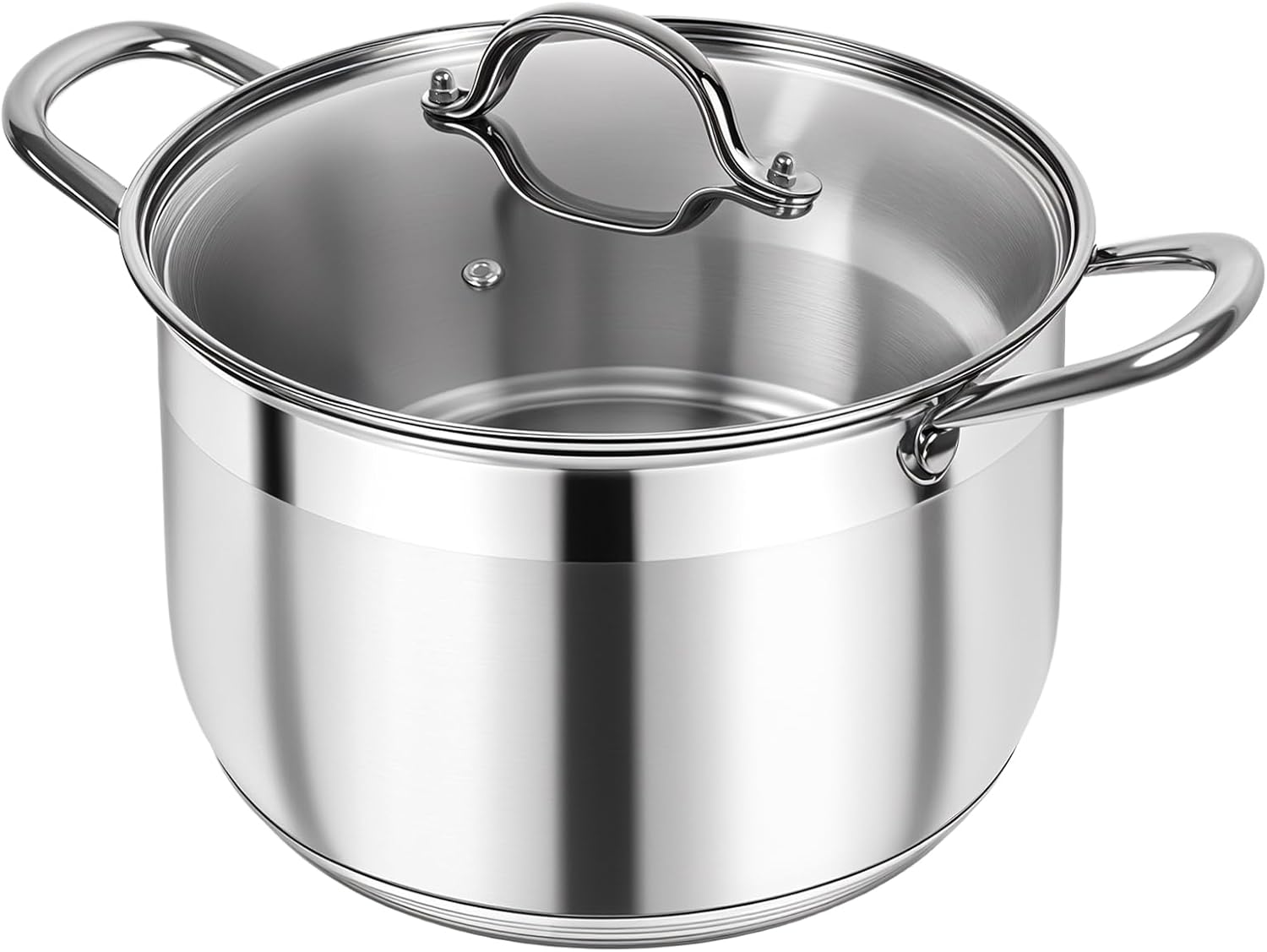
Lids play a critical role in trapping heat, condensing steam, and maintaining internal moisture levels during extended simmering routines and soup preparation. Glass lids offer the distinct advantage of visual monitoring, allowing you to check cooking progress without lifting the cover and releasing accumulated steam. Many transparent glass designs incorporate integrated steam vents to prevent excessive pressure buildup and reduce the risk of messy boiling over.
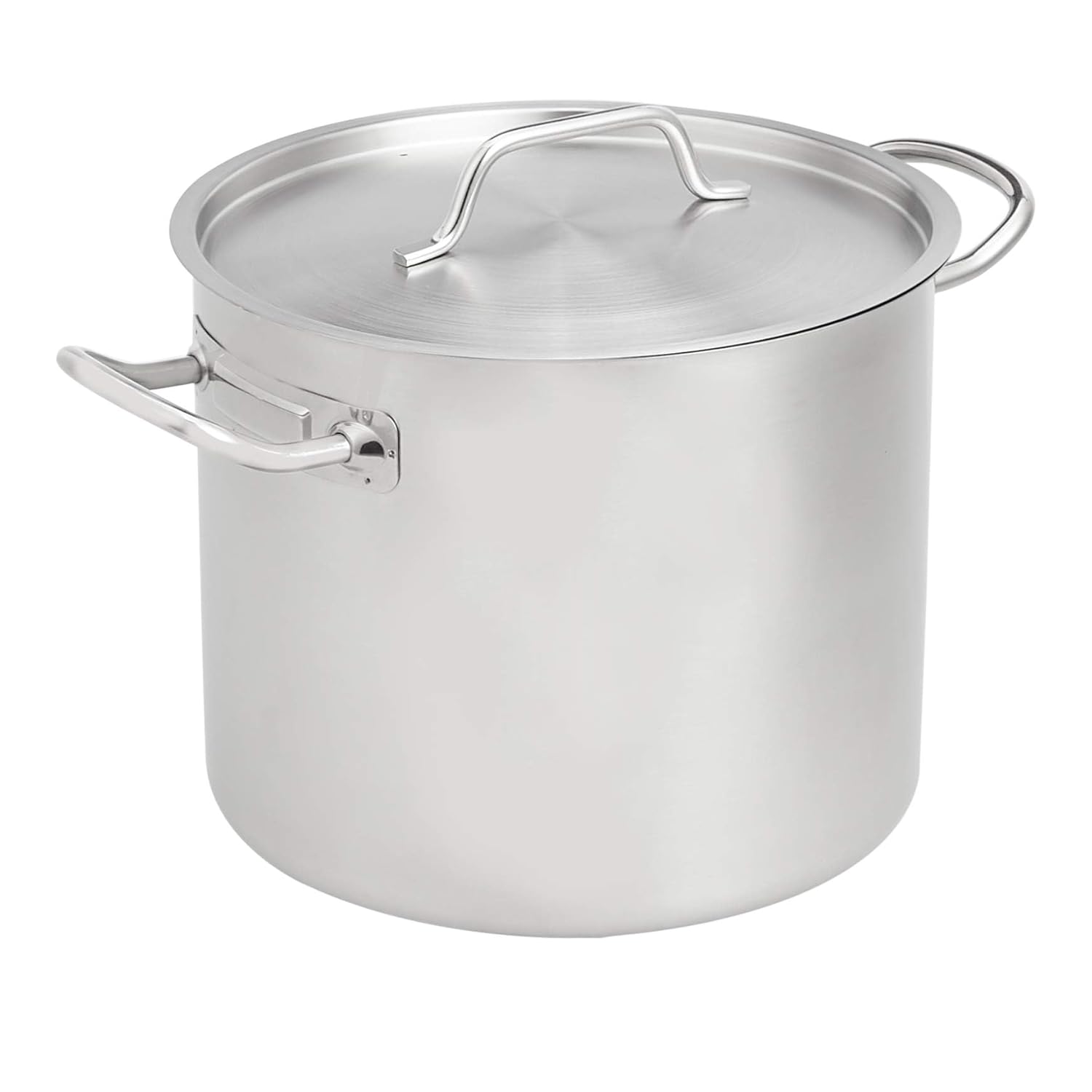
Conversely, solid stainless steel lids provide maximum durability and high heat tolerance for rigorous oven use. Weighing the benefits of direct visual visibility against all-metal ruggedness helps you select a cover style that aligns with your preferred cooking techniques, cleaning routines, and kitchen storage habits.
Handle Security and Ergonomics
A twelve-quart pot filled with liquid and ingredients carries substantial physical weight, making handle design a vital safety consideration for any home cook. Riveted stainless steel handles provide secure attachment points that support heavy loads reliably without loosening over extended periods of frequent use. Ergonomic shapes and smooth grips ensure your hands maintain stability when lifting the vessel from burner to sink.
Assessing how handles are fastened prevents accidents during busy kitchen workflows. Metal handles can occasionally conduct heat during long boiling sessions, so evaluating their spacing and thermal properties helps you choose a pot that remains safe and comfortable to maneuver under heavy daily loads and washing routines.
Stovetop Compatibility and Versatility
Modern cooktop compatibility determines whether a stock pot will function smoothly in your specific kitchen environment. Most stainless steel pots operate across traditional gas, electric, ceramic, and halogen stovetops, while induction surfaces specifically require a magnetic base layer to conduct heat properly. Checking these compatibility specifications prevents purchasing cookware that fails to heat on specialized flat-top or magnetic induction ranges.
Versatility extends beyond stove burners to include high oven-safe temperature limits for specialized baking, braising, and roasting applications in home kitchens. Selecting a model that accommodates elevated oven temperatures expands your recipe possibilities, allowing you to finish large stews or braise meats seamlessly without switching to separate specialized ovenware.
Cleaning and Maintenance Ease
Maintaining your stock pot involves establishing regular washing routines and managing exterior surface finishes. Stainless steel surfaces resist staining and tolerate standard dishwasher cleaning cycles, reducing post-cooking cleanup efforts significantly after preparing complex family meals or sticky sauces. Models featuring specialized nonstick interior coatings require gentle cleaning tools to protect the surface, avoiding metal utensils or abrasive scrubbers that could cause premature wear.
Reviewing manufacturer cleaning guidelines helps preserve the aesthetic appearance and structural integrity of your cookware over years of continuous service. Proper maintenance routines keep your kitchen tools hygienic, functional, and ready for the next heavy-batch cooking task without unnecessary physical labor or complicated cleaning products.
Frequently asked questions
Can a 12 quart stock pot be used on induction cooktops?
Cooktop compatibility depends entirely on the specific metal construction of the pot's base. Many stainless steel stock pots feature a magnetic outer layer or an impact-bonded tri-ply base that works efficiently on induction ranges alongside gas and electric cooktops. However, certain specialized models with specific multi-layer bases are explicitly designed not to function on induction stoves. It is essential to check the manufacturer specifications before purchasing if you plan to use an induction cooktop in your kitchen.
Are stainless steel stock pots dishwasher safe?
Most standard stainless steel stock pots are dishwasher safe, allowing for convenient cleanup after preparing large batches of soup, stock, or pasta. Running them through a standard dishwasher cycle helps remove grease and food residue without requiring intensive hand scrubbing. However, pots featuring specialized nonstick interior coatings or specific handle seals may require careful hand washing to preserve their surface longevity and prevent damage over time. Always verify the manufacturer care guidelines before loading cookware into your home dishwasher.
What is the benefit of a tri-ply or multi-layer base?
A tri-ply or multi-layer base incorporates conductive metals like aluminum sandwiched between layers of durable stainless steel. This engineering design ensures rapid and even heat distribution across the entire bottom surface of the pot, eliminating hot spots that can scorch sensitive foods during simmering. Whether you are maintaining a gentle simmer or bringing a large volume of water to a rapid boil, a multi-layer base provides consistent thermal control and stable cooking performance across various residential stove burners.
Should I choose a glass lid or a stainless steel lid?
Choosing between a glass lid and a stainless steel lid depends on your personal cooking preferences and storage habits. Transparent glass lids allow you to monitor cooking progress and check moisture levels easily without lifting the cover and releasing heat. Many glass options include steam vents to prevent pressure buildup. On the other hand, solid stainless steel lids offer maximum durability and higher oven temperature tolerance for rigorous baking and roasting applications, making them ideal for heavy-duty kitchen environments.
How do interior measuring markings help when cooking?
Interior measuring markings stamped or etched inside certain stock pots allow home cooks to measure liquids directly inside the vessel without dirtying extra cups. This feature streamlines recipe preparation when adding specific amounts of water, broth, or ingredients for soups, stews, and stocks. By providing clear volume references up to a certain threshold, measuring markings save time and reduce cleanup effort during busy cooking workflows, helping you maintain precise proportions throughout your meal preparation process.