Appliances · Buying Guide
Best 14 qt stock pot options for large batch home cooking
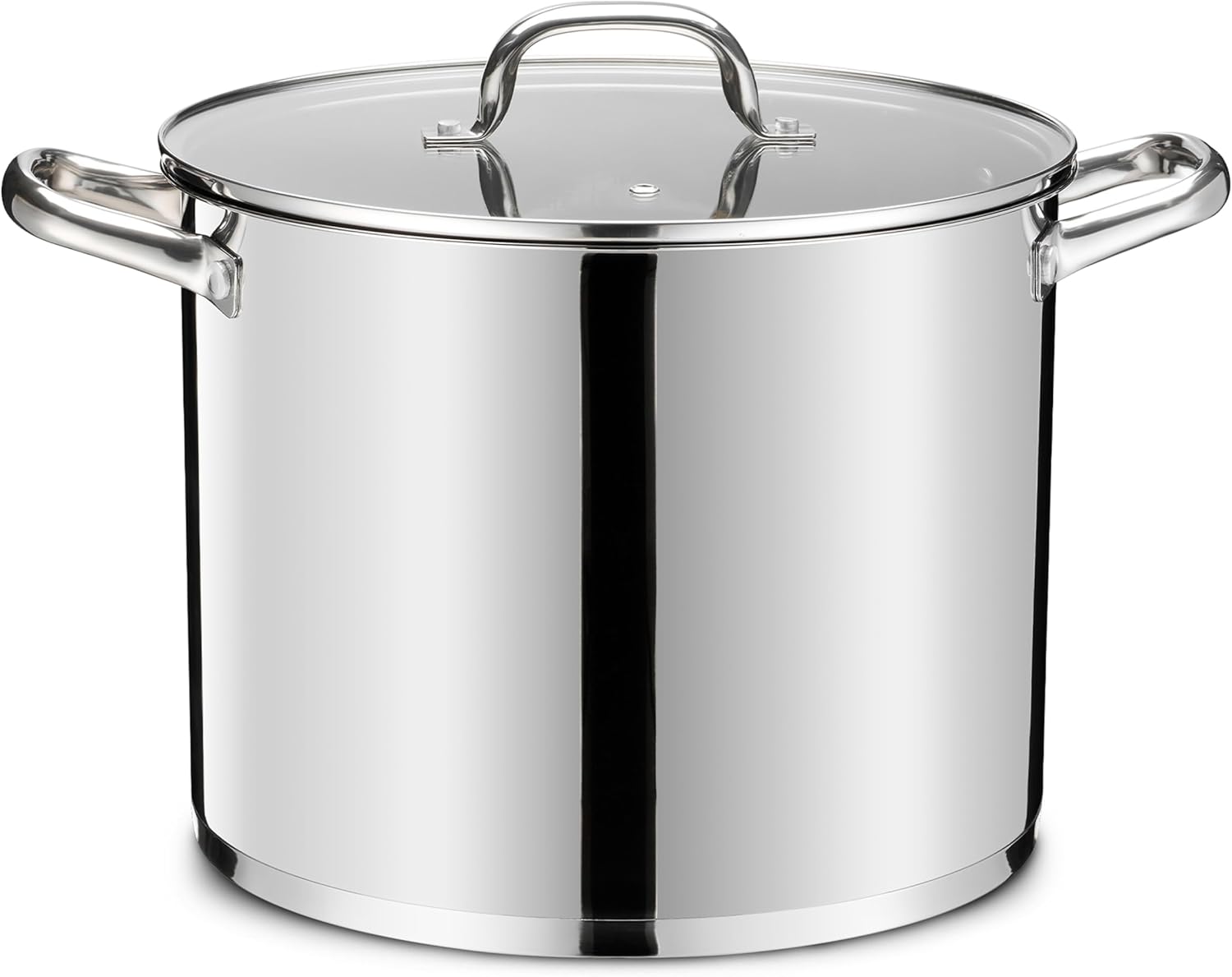
Preparing meals for a large family or hosting gatherings requires cookware that handles high volumes effortlessly. A fourteen-quart stock pot offers the generous capacity needed for boiling pasta, simmering large batches of soup, or cooking seafood. Selecting the right vessel involves examining base construction, handle security, and lid design to match your everyday cooking routine.
Stainless steel builds provide durable performance across various stovetops, while multi-ply bases distribute heat evenly to prevent scorching. Whether you are canning seasonal vegetables or preparing weekly meal prep, understanding the specific design features of these large pots helps you choose a reliable kitchen companion for long-term use.
As an Amazon Associate, StacyLaughs earns from qualifying purchases.
Buying guide
Base Construction Materials
Choosing a fourteen-quart stock pot starts with examining its base construction materials. Multi-ply designs featuring aluminum cores sandwiched between stainless steel layers offer superior heat distribution compared to single-layer alternatives. This layered approach prevents localized hot spots that can scorch delicate broths or sauces during long simmering sessions. Magnetic outer layers ensure compatibility with modern induction cooktops alongside traditional gas and electric burners.
Evaluating how the metal thickness affects thermal retention helps match the cookware to your specific cooking style. Thicker bases maintain steady temperatures when you add cold ingredients like frozen vegetables or raw meats into boiling water. While heavier pots require more effort to lift, their structural stability resists warping over years of frequent high-heat exposure. Prioritizing robust base engineering ensures reliable performance across diverse culinary applications without unexpected temperature fluctuations.
Capacity and Dimensional Scale
A fourteen-quart capacity provides expansive room for large-batch meal preparation, family gatherings, and seasonal canning projects. However, matching this massive volume to your actual kitchen workspace is essential before making a purchase decision. Consider the physical footprint of the pot relative to your stovetop burner layout to ensure adjacent burners remain accessible for other pans. High-capacity vessels demand substantial storage clearance inside standard kitchen cabinets or pantry shelves.
Reviewing the internal height and diameter measurements helps determine how the pot fits beneath your kitchen sink faucet for easy filling. Deep pots allow generous room for boiling corn, lobsters, or large quantities of pasta without overflowing. Assessing the balance between height and width prevents purchasing a vessel that feels awkward to maneuver when filled to maximum capacity. Careful dimensional planning ensures the cookware integrates smoothly into your daily storage routine.
Handle Design and Security
Handle construction dictates how safely you can transport a heavy fourteen-quart pot filled with boiling water or thick stew. Riveted handle attachments provide permanent structural strength, anchoring the grip securely to the main pot body without loosening over time. Look for ergonomic handle shapes that accommodate different hand sizes comfortably while maintaining a stable balance during lifting tasks. Dual side handles distribute the considerable weight evenly across both arms.
Some designs incorporate hollow or insulated handle structures to minimize heat transfer from the hot body during extended cooking cycles. While these features help keep grips manageable, verifying that the attachment joints remain solid under heavy loads is vital. Poorly secured handles create safety hazards when maneuvering full pots from the stovetop to a sink. Selecting robustly fastened, well-proportioned handles ensures confident handling throughout demanding meal preparation routines.
Lid Functionality and Materials
The lid plays a critical role in locking in moisture, regulating internal pressure, and accelerating heating times during large-batch cooking. Tempered glass lids offer the distinct advantage of letting you monitor cooking progress without lifting the cover and releasing accumulated heat. Integrated steam vent holes prevent dangerous over boiling by safely releasing excess pressure and vapor. Some lids feature specialized insulating seals on their top handles to reduce thermal transfer.
Fitting covers ensure that moisture circulates evenly back into the food, preserving rich flavors and tender textures during long simmers. Evaluating how securely the lid rests on the pot rim prevents rattling noises and uncontrolled steam leaks. Glass components require mindful handling during washing to prevent accidental impacts against hard sink surfaces. Choosing a well-designed lid enhances overall cooking efficiency and provides clear visibility into the pot's interior environment.
Interior Measurement Markings
Internal measurement markings provide practical convenience by letting you measure liquids directly inside the stock pot without separate tools. Clear scale lines etched or stamped into the stainless steel surface help you follow soup and broth recipes with high accuracy. This feature eliminates guesswork when scaling up recipes for large gatherings or monitoring liquid reduction during extended simmering tasks. Permanent markings resist fading or washing away over years of scrub cleaning.
Having visible water level indicators inside large-capacity vessels speeds up prep work significantly during busy cooking sessions. You can add exact amounts of water for boiling pasta or making stock without dirtying measuring cups. Reviewing whether the scale lines match standard volumetric units ensures seamless recipe adaptation in your kitchen. This straightforward addition transforms a basic boiling pot into a precision instrument for high-volume meal creation.
Cleanup and Maintenance Ease
Maintaining a large stainless steel stock pot involves considering both hand-washing convenience and dishwasher compatibility features. Mirror-finished surfaces and smooth interior edges reduce the risk of food sticking, making routine cleanup simpler after preparing sticky broths or stews. Rounded bottom corners prevent stubborn residue accumulation in hard-to-reach crevices where food particles typically hide. Selecting dishwasher-safe models saves considerable labor after hosting large family dinners.
Proper care preserves the polished exterior appearance and prevents unsightly water spots caused by mineral residues during air drying. Following manufacturer guidelines regarding cleaning agents helps protect the metal finish from unnecessary dulling over prolonged use. While stainless steel resists rust and corrosion naturally, drying the pot promptly after washing maintains its bright luster. Prioritizing easy-maintenance designs ensures your large cookware remains a reliable, attractive kitchen staple for years.
Frequently asked questions
Can I use a 14 qt stock pot on an induction cooktop?
Many fourteen-quart stock pots feature magnetic stainless steel outer layers specifically engineered for seamless compatibility with induction cooktops, gas burners, electric elements, and ceramic stovetops. To ensure proper operation on your specific surface, check that the cookware includes a compatible magnetic base layer in its technical specifications. Induction-ready multi-ply bases distribute heat rapidly across the entire cooking surface, preventing localized scorching while delivering consistent thermal performance for large batches of soup, pasta, or home-canned broths.
How do I prevent food from sticking to a stainless steel stock pot?
Preventing food from sticking involves proper preheating techniques and maintaining clean interior surfaces during cooking. Allow your empty stock pot to warm up on your stovetop over medium heat before adding cooking oils or ingredients. Once the oil shimmers, introduce your foods to create a natural release barrier on the stainless steel surface. Using multi-ply bases with aluminum cores also helps eliminate hot spots that cause localized burning, while mirror-finished interiors simplify post-cooking cleanup routines.
Are tempered glass lids safe for high-temperature cooking?
Tempered glass lids included with these stock pots are specially treated to resist high cooking temperatures safely during boiling, steaming, and simmering tasks. The transparent design lets you monitor your recipe progress without lifting the cover and losing valuable heat or moisture. Always allow hot glass lids to cool down naturally before washing them to prevent thermal shock, and inspect any integrated steam vent holes to ensure they remain clear of debris.
What is the best way to clean and maintain a mirror-polished stock pot?
Cleaning a mirror-polished stock pot requires washing with warm soapy water and a soft dishcloth to protect the glossy exterior finish from scratching. Smooth rounded edges and seamless interior designs prevent food residue from hiding in corners during cleanup. If stubborn food particles adhere to the base, soaking the pot in warm water helps loosen debris without harsh abrasive pads. Promptly drying the metal surface with a clean towel prevents unsightly water spots and preserves the shine.
Is a 14 qt capacity too large for everyday family meal preparation?
A fourteen-quart capacity provides generous volume that excels when cooking for large families, hosting weekend gatherings, meal prepping, or canning seasonal vegetables. While it easily handles massive batches of chicken soup, chili, or boiling pasta, the large physical size requires mindful storage space in standard kitchen cabinets. If you frequently cook smaller single-portion meals, a smaller pot might feel bulky, but for bulk cooking and entertaining, this size offers indispensable versatility.