Appliances · Buying Guide
Best 16 Inch Saute Pan Options for Large Families and Outdoor Cooking
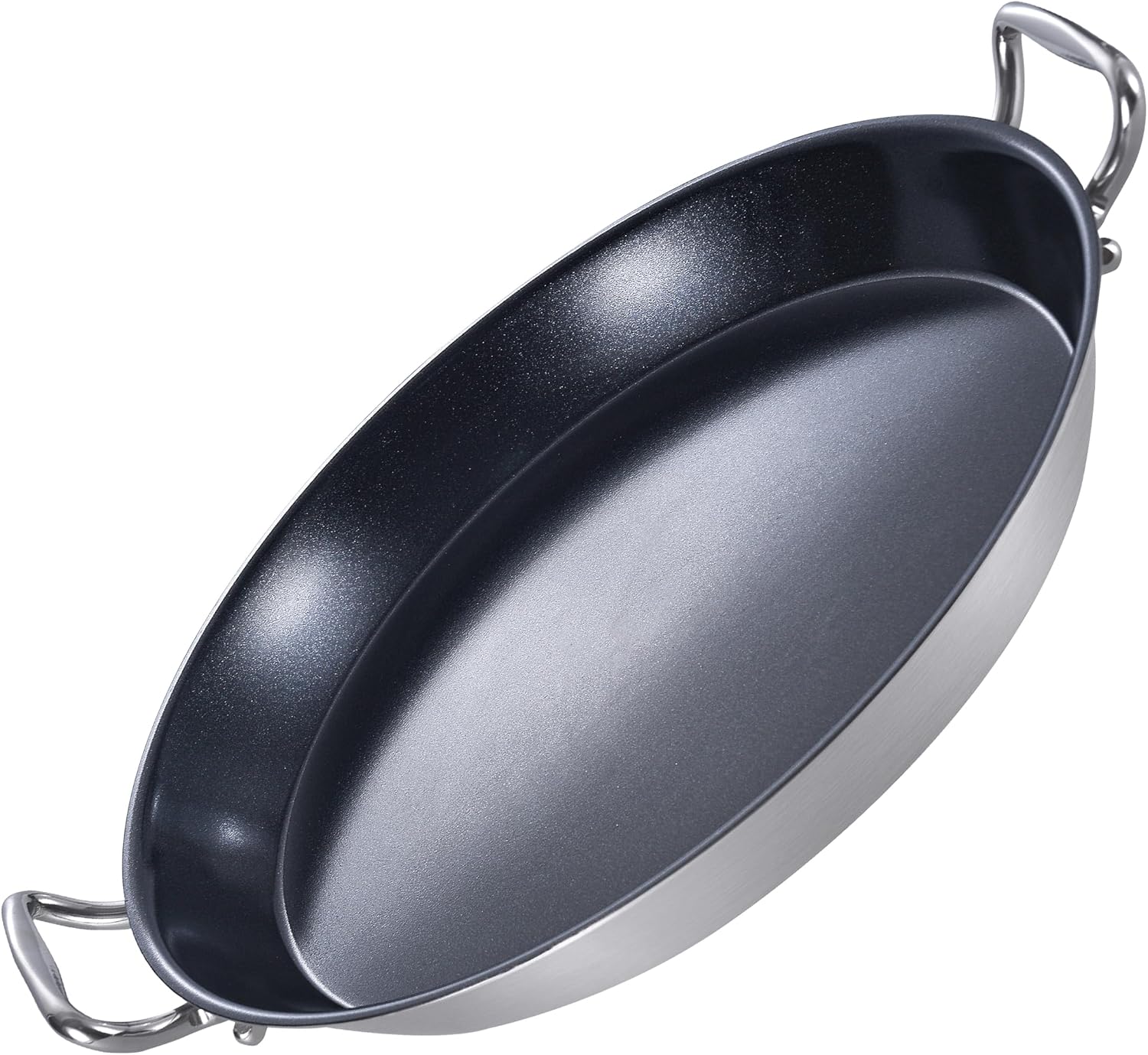
Selecting a 16 inch saute pan or large skillet means carefully balancing expansive cooking capacity with your specific cooktop setup, storage constraints, and everyday meal routines. These oversized vessels provide broad surface areas designed to accommodate substantial family-sized portions, ranging from traditional Spanish paellas to large-scale stir-fries, deep roasts, and open-flame outdoor camping feasts.
Whether you prefer uncoated multi-ply stainless steel, hybrid nonstick surfaces, smooth ceramic coatings, or lightweight carbon steel, understanding core construction materials helps match your cookware to specific recipes. Examining thermal layer distribution, handle configurations, and daily maintenance requirements ensures reliable performance across diverse indoor kitchens and outdoor cooking environments.
As an Amazon Associate, StacyLaughs earns from qualifying purchases.
Buying guide
Material Construction and Thermal Layers
Choosing the right material construction dictates how evenly your cookware heats across a broad surface. Multi-ply bonded layers combine stainless steel durability with aluminum heat conduction, minimizing hot spots during long simmering sessions.
Thicker gauges enhance structural integrity and prevent warping under high burner temperatures. Evaluating whether a pan utilizes multi-ply stainless steel, carbon steel, or aluminum cores helps ensure predictable thermal behavior for searing meats and simmering large rice dishes evenly.
Capacity and Serving Size Requirements
Selecting an oversized cooking vessel requires matching its volumetric capacity and diameter to your typical household size. A sixteen-inch diameter provides ample footprint for spreading ingredients, but total depth determines whether the pan accommodates large liquid volumes for soups, stews, or multi-portion paellas.
Models offering capacities between five and six and a half quarts easily serve families ranging from eight to fourteen individuals. Assess your regular meal preparation volume to ensure the pan handles large gatherings without overcrowding the cooking surface.
Surface Coatings and Food Release
Cooking surfaces vary between uncoated mirror-finished stainless steel, hybrid stainless designs, and ceramic nonstick coatings. Uncoated metal handles high heat and metal utensils without degradation, preserving natural food flavors during intense searing and pan roasting tasks.
Conversely, ceramic or hybrid nonstick options facilitate effortless food release with minimal oil, making them ideal for delicate ingredients like fish or eggs. Consider your preferred cooking techniques and cleaning habits when deciding between bare metal and coated surfaces.
Heat Source and Cooktop Compatibility
Before purchasing a wide skillet, verify that its flat base design matches your specific cooktop appliances. Most modern pans support smooth surface induction, electric coils, and gas burners, but certain carbon steel or stainless models also extend utility to outdoor grills and open camping flames.
Furthermore, check maximum oven temperature thresholds if you plan to transfer your skillet directly from stovetop searing to oven baking. Matching temperature limits prevents warping or damage to handles and lids.
Handle Design and Storage Solutions
Managing an oversized sixteen-inch pan presents distinct storage and handling challenges in standard kitchens. Look for securely riveted handles that offer a firm, balanced grip when lifting heavy, food-filled vessels from burners to countertops or serving tables.
Innovative detachable handles provide a practical solution for crowded cabinets and compact dishwashers by reducing the overall footprint during storage. Evaluate your kitchen storage space before committing to fixed-handle designs.
Maintenance and Cleaning Protocols
Daily maintenance requirements differ significantly depending on the cookware materials and surface treatments you select. Stainless steel and ceramic-coated models often feature dishwasher-safe construction, simplifying post-meal cleanup routines after preparing large family dinners.
In contrast, traditional carbon steel options typically require hand washing and attentive seasoning to maintain rust resistance. Review manufacturer guidelines to ensure your cleaning routine preserves the cookware performance over years of regular use.
Frequently asked questions
Will a sixteen-inch pan fit on standard residential stovetops?
A sixteen-inch pan features a substantially wide footprint that extends beyond standard burner circumferences. While it operates successfully on gas, electric coil, and smooth surface induction cooktops, heat distribution relies heavily on the pan's thick core construction rather than the burner size alone. On smaller residential stoves, outer edges may heat more slowly than the center, making multi-ply bonded bases beneficial for spreading thermal energy outward across the entire cooking surface for uniform results.
What is the main difference between uncoated stainless steel and ceramic nonstick pans?
Uncoated stainless steel surfaces consist of durable metal that withstands metal utensils, aggressive scrubbing, and high oven temperatures without chemical coating degradation. They excel at developing pan fond and enduring high-heat searing. Ceramic nonstick surfaces feature a smooth coating that allows food to slide off effortlessly with minimal oil, simplifying cleanup. However, ceramic options require gentle non-metal utensils and careful cleaning practices to preserve the longevity of the nonstick coating over time.
Can these large pans be used safely inside an oven?
Most of these large pans offer strong oven compatibility, with pan bodies frequently rated to withstand temperatures between 500 and 650 degrees Fahrenheit. However, users must always check specific manufacturer guidelines regarding attached lids or removable components. For instance, while certain stainless steel pan bodies handle extreme oven heat, accompanying glass or metal-rimmed lids often feature lower temperature thresholds, such as 200 degrees Fahrenheit, requiring lid removal during high-heat baking tasks.
How do I choose between carbon steel and stainless steel models?
Carbon steel pans provide a lightweight build that facilitates quick lifting, tossing, and flipping, making them responsive for high-heat stir-fries and searing. They typically require hand washing and regular seasoning to maintain their protective finish. In contrast, stainless steel pans offer dishwasher-safe convenience and rust resistance without mandatory seasoning routines. Stainless models provide a heavier, highly durable cooking surface that resists scratching, whereas carbon steel prioritizes rapid maneuverability and traditional seasoning properties.
Are these large skillets suitable for cooking tasks other than paella?
Despite being frequently categorized as paella pans, these sixteen-inch vessels function as versatile large skillets suitable for numerous everyday culinary tasks. Their broad flat bases and high sidewalls accommodate deep roasts, large-batch stir-fries, shallow frying, sauteing vegetables, braising meats, and pan roasting. Whether preparing weekend breakfasts for a crowd or simmering one-pan camping dinners, the expansive surface area provides ample room to cook main courses and side dishes simultaneously without overcrowding ingredients.