Appliances · Buying Guide
Best 3 Qt Non Stick Saucepan Options for Everyday Kitchen Tasks
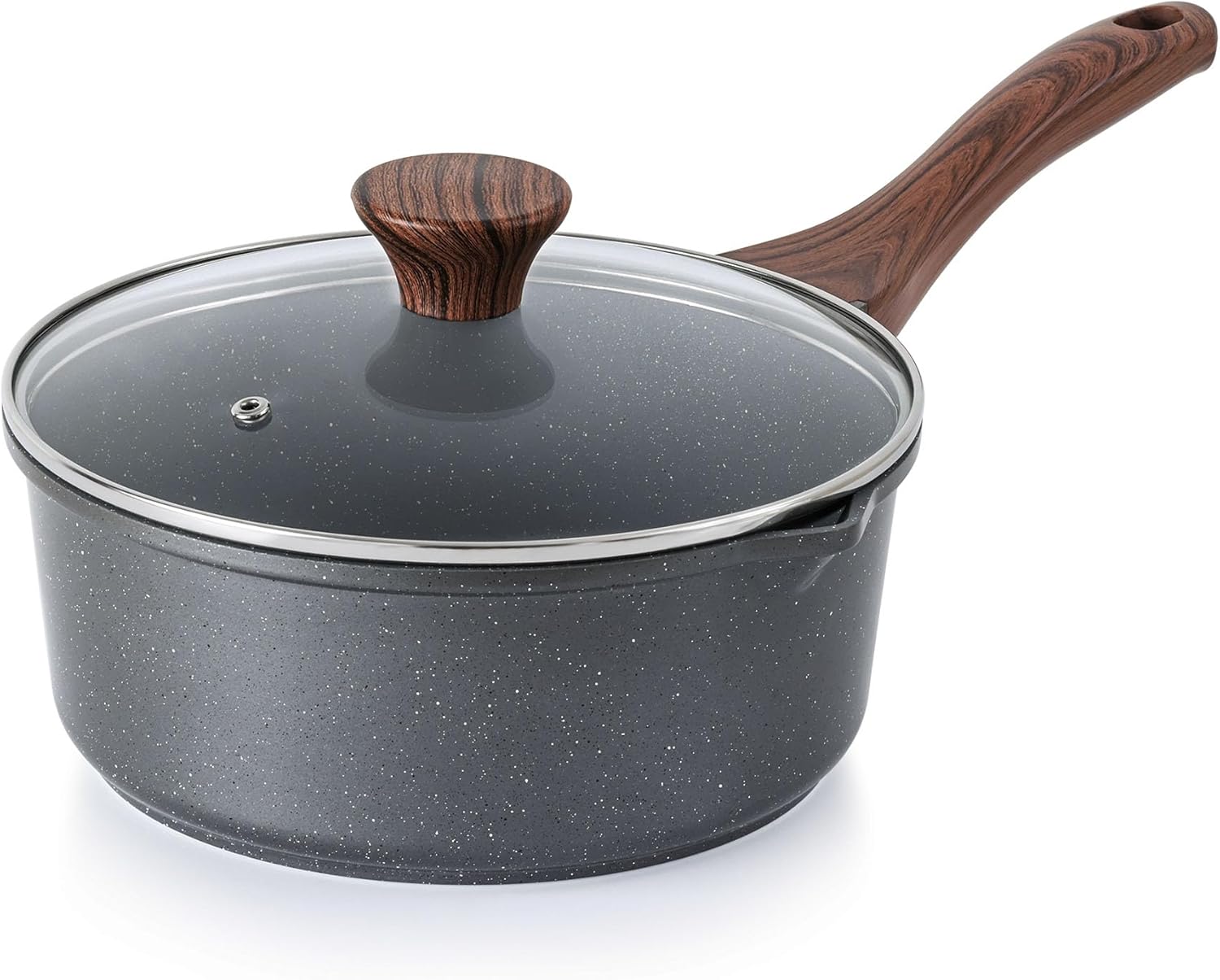
Finding the right cooking vessel for everyday meal preparation involves carefully evaluating interior materials, exterior construction, heat distribution properties, and post-cooking cleanup requirements. A standard three-quart capacity offers ample volume for boiling grains, simmering soups, and mixing homemade sauces without taking up excessive storage space in crowded kitchen cabinets or straining wrists during regular handling tasks.
Manufacturers utilize distinct nonstick coatings, aluminum or stainless steel core metals, and ergonomic handle configurations to accommodate various domestic cooktops and personal cooking styles. Reviewing these specific design attributes helps match a reliable pot directly to daily household cooking routines, cleanup preferences, and specific stove compatibility needs across diverse kitchen environments without unnecessary guesswork.
As an Amazon Associate, StacyLaughs earns from qualifying purchases.
Buying guide
Interior Nonstick Coatings
Nonstick coatings dictate how easily food releases from the pan interior and directly influence daily cleaning effort after meals. Modern manufacturing options feature granite, diamond-infused ceramic, or specialized nonstick layers that provide convenient alternatives to standard chemical treatments, allowing cooks to prepare everyday dishes with minimal oil or butter. Selecting the right interior finish reduces scrubbing time significantly.
Buyers must carefully evaluate coating durability, metal utensil compatibility, and manufacturer safety specifications to ensure the chosen cooking surface withstands regular stirring, simmering, and washing routines over years of kitchen use without losing release performance. Checking these parameters prevents premature wear and ensures dependable results for delicate sauces and sticky grains.
Stove and Cooktop Compatibility
Cooktop compatibility determines whether a specific saucepan will function properly on the heating surfaces installed in your home kitchen environment. While many standard aluminum and stainless steel pots operate smoothly on traditional gas and electric coil stoves, modern induction cooktops require a specialized magnetic metal base layer to generate heat effectively through electromagnetic fields without energy loss.
Reviewing base specifications beforehand helps shoppers avoid purchasing cookware that fails to activate on glass-ceramic or induction ranges. Ensuring proper alignment between your specific stove type and the pot bottom construction guarantees reliable, consistent thermal performance during daily meal preparation tasks, preventing frustrating cooking delays and uneven heat transfer.
Handle Ergonomics and Safety
Handle construction directly affects lifting comfort, hand balance, and physical safety when transporting a three-quart pot filled with hot soups or boiling water. Materials like bakelite, coated silicone, and stainless steel offer distinct tactile grips and thermal resistance levels during prolonged stovetop cooking tasks, keeping handles comfortable and cool to the touch under normal operating conditions.
Buyers should examine whether handles feature smooth rivetless internal attachments or sturdy dual metal rivets, along with their specific maximum temperature limits for safe transition into domestic ovens. Selecting comfortable ergonomic grips prevents hand fatigue and enhances overall control during daily kitchen cooking workflows without ever compromising user safety.
Lid Features and Draining Mechanisms
Lids play a critical role in retaining heat, moisture, and steam during simmering processes for sauces, soups, and delicate grains. Tempered glass construction allows home cooks to monitor cooking progress visually without lifting the cover and releasing valuable thermal energy into the kitchen environment, ensuring stable cooking temperatures for sensitive recipes.
Modern specialized lids often include integrated steam vents to prevent messy boil-overs or built-in straining holes that simplify liquid drainage for cooked pasta and steamed vegetables without requiring a separate colander tool. Evaluating these practical construction extras improves everyday kitchen convenience significantly and reduces post-meal cleanup tasks across various domestic cooking scenarios.
Oven Safety and Temperature Limits
Oven safety limits dictate how versatile a three-quart saucepan can be when shifting recipes from the stovetop directly into enclosed baking environments. Different models specify maximum temperature thresholds ranging from three hundred degrees up to nine hundred degrees Fahrenheit based on materials like bakelite, aluminum, or stainless steel construction used throughout the entire body build.
Reviewing these heat thresholds carefully ensures that handles, knobs, and glass lid components remain completely undamaged during high-temperature roasting or baking tasks. Matching the pan specifications to your intended baking temperatures prevents accidental hardware degradation and ensures long-lasting cooking reliability across diverse domestic food preparation projects without unexpected hardware failures.
Cleaning and Maintenance Methods
Proper cleaning and maintenance routines preserve the nonstick performance and external finish of a three-quart saucepan over years of regular daily kitchen use. While many nonstick pots feature dishwasher-safe construction for rapid cleanup, hand washing with warm soapy water and a soft sponge often extends the operational life of delicate interior coatings significantly.
Avoiding abrasive metal scouring pads and harsh chemical cleaners protects delicate ceramic, granite, or traditional nonstick interiors from premature surface wear and maintains effortless food release properties over time. Following manufacturer care guidelines guarantees consistent cooking performance across all domestic cooking tasks without damaging the protective surface layers.
Frequently asked questions
Can a 3-quart nonstick saucepan be used on an induction cooktop?
Cooktop compatibility depends entirely on the specific construction of the pot's base. Models featuring a high magnetic conductive stainless steel base or a triple-layer magnetic bottom are fully compatible with induction cooktops, along with gas, electric, and ceramic stoves. However, certain traditional aluminum or hard-anodized saucepans lack this magnetic base layer and will not function on magnetic induction ranges. Buyers must check the manufacturer specifications regarding stove compatibility before purchasing to ensure the saucepan matches their specific kitchen range setup.
Are ceramic nonstick saucepans safe for use with metal utensils?
Utensil safety varies by model depending on the specific surface technology used in manufacturing. While standard ceramic nonstick pots often require wooden, silicone, or plastic tools to prevent scratching, certain advanced hybrid models feature laser-etched stainless steel surfaces or diamond-infused ceramic technology designed to be metal-utensil safe. Always review the manufacturer product guidelines before using metal whisks or spoons inside any nonstick saucepan to avoid damaging the protective coating and preserving its long-term food release properties.
How do I clean a nonstick saucepan without damaging the coating?
Cleaning a nonstick saucepan requires gentle care to protect the interior coating from premature wear. Many models offer dishwasher-safe construction for convenience, but hand washing with warm soapy water, a mild dish soap, and a soft sponge or cloth is generally recommended by manufacturers to extend coating life. Avoid using abrasive metal scouring pads, steel wool, or harsh chemical oven cleaners, as these harsh materials can scratch or degrade ceramic and granite nonstick surfaces, reducing their effectiveness.
What is the advantage of double pouring spouts on a saucepan?
Double pouring spouts molded on both sides of the saucepan rim provide exceptional convenience for both left-handed and right-handed cooks. This design feature allows liquids such as sauces, soups, or melted butter to be poured smoothly and cleanly out of either side of the pot without requiring awkward hand twisting or risking messy spills on the stovetop. Paired with a comfortable handle, pouring spouts streamline everyday liquid transfer tasks during meal preparation and plating.
Can nonstick saucepans be placed safely inside an oven?
Oven safety depends on the materials used for the main pot body, handles, and lid knobs. Many nonstick saucepans are oven safe up to moderate temperatures ranging from three hundred to four hundred degrees Fahrenheit, particularly those featuring stainless steel handles or tempered glass lids. Some advanced models with specialized tri-ply construction tolerate much higher oven temperatures. However, models with bakelite handles typically feature lower maximum temperature limits. Always confirm the specific temperature rating before baking.