Appliances · Buying Guide
Best 6 qt stockpot with lid options for versatile home cooking
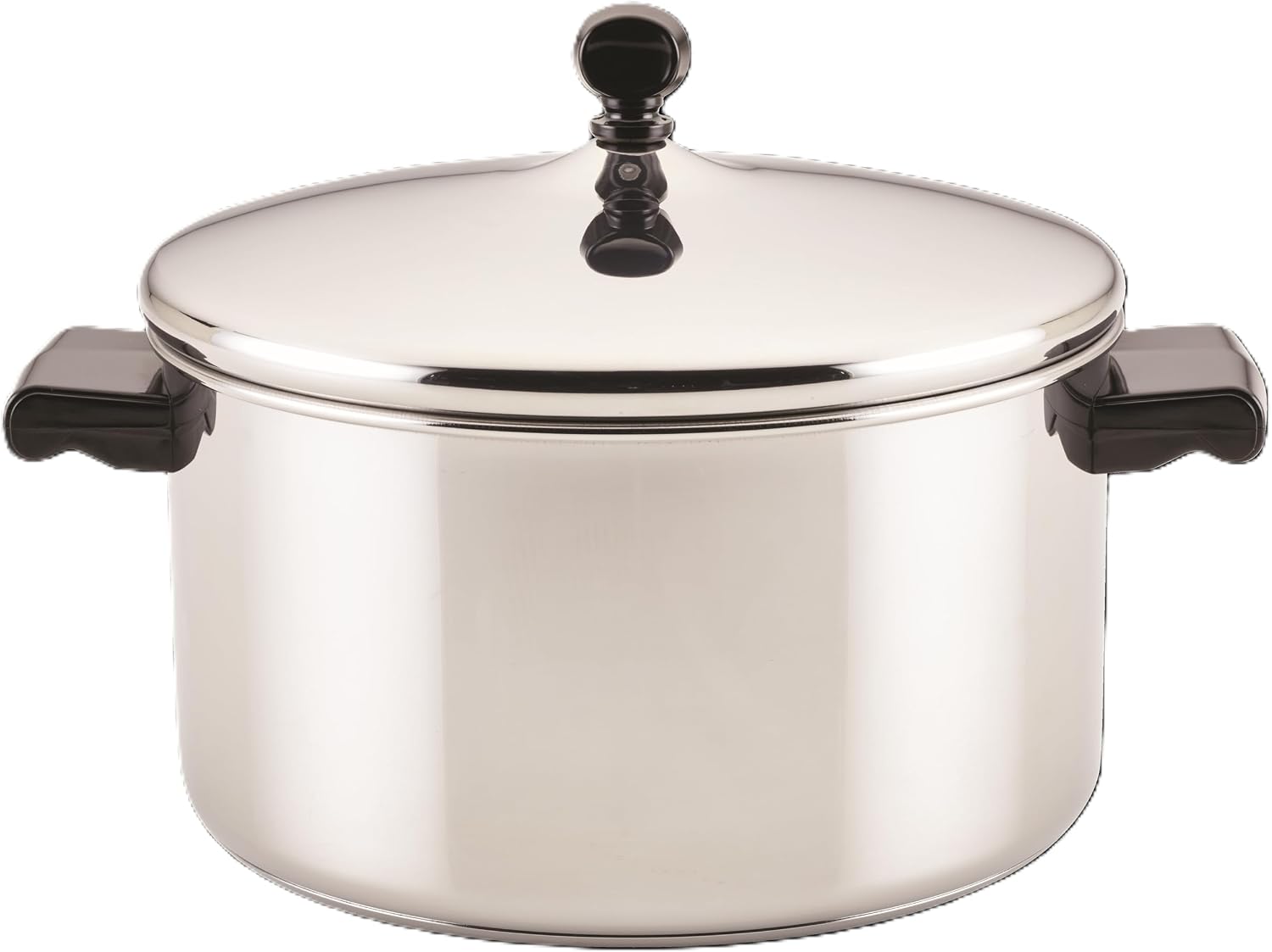
Finding the right cookware for soups, broths, and large batch boiling requires carefully balancing material composition, heat distribution, and stovetop compatibility. A reliable 6 qt stockpot with lid handles everyday kitchen tasks efficiently without taking up excessive storage space on your stove or inside crowded kitchen cabinets. Choosing a proper mid-sized vessel simplifies meal prep for families and gatherings alike.
Manufacturers build these versatile mid-sized pots using various materials, including stainless steel, aluminum cores, and specialized non-stick coatings. Evaluating each design based on physical dimensions, handle construction, oven safety ratings, and cleaning requirements helps match a cookware piece to your specific cooking habits, preferred recipes, and daily kitchen setup. Understanding these attributes ensures long-term utility across various cooking environments and heat sources.
As an Amazon Associate, StacyLaughs earns from qualifying purchases.
Buying guide
Material Composition and Food Reactivity
Choosing the right material for your 6 qt stockpot dictates how the metal vessel interacts with acidic ingredients like tomatoes, wine, or citrus juices. Stainless steel models offer durable, non-reactive cooking surfaces that prevent metallic tastes from transferring into delicate broths, vegetable stocks, and long-simmering sauces. Selecting high-grade steel ensures your cookware withstands everyday cooking demands without pitting, corrosion, or discoloration over extended periods of frequent kitchen use.
Alternatively, aluminum options provide lightweight handling and rapid thermal response, though bare metal variants can react with certain foods unless protected by specialized non-stick coatings. Evaluating your typical menu and preferred recipes helps determine whether a food-grade stainless steel interior or an aluminum build best suits your culinary routine. Balancing material durability with reactivity protects both your ingredients and the longevity of the cookware investment.
Heat Distribution and Base Construction
Efficient heat distribution prevents localized scorching and ensures uniform simmering across the entire bottom surface of your 6-quart stockpot. Pots featuring thick impact-bonded bases or encapsulated aluminum cores successfully combine the structural durability of outer steel layers with the superior thermal conductivity of internal aluminum disks. This multi-layered construction eliminates annoying hot spots that can burn dense starches or thick soups during extended cooking sessions.
When evaluating base construction, consider the thickness and bonding method used by the manufacturer. A robust, heavy-duty base retains thermal energy effectively, allowing your pot to maintain steady temperatures even when you add cold ingredients to a simmering broth. This thermal stability supports consistent boiling, reducing the need for constant burner adjustments while you prepare large batches of food for family meals.
Lid Types and Monitoring Visibility
The lid of a stockpot plays a vital role in trapping steam, retaining moisture, and controlling internal heat during boiling and simmering tasks. Tempered glass lids offer the distinct advantage of letting you monitor cooking progress without lifting the cover and releasing valuable thermal energy into your kitchen. Many glass designs also include integrated steam vents to prevent excessive pressure buildup during vigorous boiling.
On the other hand, traditional metal lids provide robust durability and often feature self-basting designs that condense moisture and redirect it back onto the food. While metal covers require you to lift them to inspect liquid levels, they eliminate concerns about glass breakage or thermal shock. Choosing between glass and metal depends on whether visual monitoring or classic heavy-duty lid styling matters most.
Handle Design and Ergonomic Safety
Maneuvering a fully loaded six-quart stockpot requires secure, well-designed handles that provide a confident, stable grip when lifting the heavy vessel from the stove to the countertop. Riveted stainless steel handles offer permanent structural strength compared to welded alternatives, significantly reducing the risk of loosening over years of heavy daily use and frequent washing cycles in busy kitchens.
Additionally, handle thermal performance is crucial for safe cooking operations. Many modern stockpots utilize solid metal handles engineered to stay cool on the stovetop, preventing accidental burns during active simmering. If you plan to transfer the pot into a hot oven, verify that the handle materials and overall construction can safely withstand those elevated ambient temperatures without degrading.
Cooktop Compatibility and Oven Limits
Modern kitchens feature diverse cooking surfaces, making cooktop compatibility an essential factor when selecting a mid-sized stockpot for your home. Most quality stainless steel and aluminum pots work seamlessly across gas, electric, ceramic, and glass stoves. If you cook with induction technology, ensure the pot features a compatible magnetic base layer designed to interact correctly with electromagnetic burner fields for efficient energy transfer.
Oven safety limits also dictate how versatile your cookware can be when transitioning recipes from burner to bake. Some stockpots withstand high oven temperatures up to five hundred degrees, while others restrict oven use because of attached glass lids or non-stick plastic components. Always review manufacturer specifications regarding maximum thermal thresholds for both the pot body and the lid before starting oven-baked recipes.
Maintenance and Cleaning Requirements
Keeping your stockpot in top condition involves understanding manufacturer cleaning guidelines and daily surface care recommendations. Dishwasher-safe models offer convenient cleanup after preparing messy family meals, saving valuable time during after-dinner kitchen routines. However, some polished stainless steel or specialized non-stick surfaces benefit from gentle hand washing with mild soap to maintain their exterior shine and prevent premature wear over years of service.
Non-stick interior coatings also require careful utensil selection, typically demanding wooden, silicone, or plastic tools to avoid scratching the delicate finish. Stainless steel interiors tolerate metal utensils better but may require non-abrasive scouring pads to remove stubborn food residues after boiling starchy liquids or thick sauces. Matching your cleaning habits to the pot's surface requirements ensures lasting performance.
Frequently asked questions
What can I cook in a 6 qt stockpot with lid?
A six-quart stockpot provides ample space for preparing medium-sized batches of soups, stocks, broths, and stews for family meals. You can easily boil pasta, steam vegetables, cook corn on the cob, or simmer homemade sauces. The capacity is versatile enough for everyday cooking tasks without being overly bulky to store in standard kitchen cabinets. However, it may be slightly too small for exceptionally large holiday gatherings or commercial-scale meal prep, where higher-capacity pots of eight quarts or more are more appropriate.
Are stainless steel stockpots safe for induction cooktops?
Many stainless steel stockpots are fully compatible with induction cooktops, provided they feature an impact-bonded or encapsulated magnetic base layer. Induction technology requires a magnetic metal to generate heat directly within the cookware base. When shopping for an induction-ready pot, check the manufacturer specifications to confirm that the base construction supports electromagnetic heating. Non-magnetic stainless steel or pure aluminum pots without a magnetic base plate will not function on induction burners, making verification essential before purchase.
Can I put a 6 quart stockpot in the oven?
Oven safety depends entirely on the specific manufacturer specifications and the materials used in the pot and lid construction. Many stainless steel stockpots tolerate oven temperatures ranging from 350 up to 500 degrees Fahrenheit. However, glass lids or non-stick components often feature lower temperature thresholds, frequently capped around 350 degrees Fahrenheit. Always check the user manual to confirm the maximum safe temperature for both the pot body and the lid before transferring cookware into a hot oven.
How do I clean burned food from a stainless steel stockpot?
Cleaning burned food from a stainless steel stockpot typically involves soaking the vessel in warm, soapy water to loosen stubborn residues. For tougher stains or scorched starches, you can use a non-abrasive cleanser formulated specifically for stainless steel cookware. Avoid harsh steel wool pads that can scratch the polished exterior finish. Many stainless steel pots are dishwasher safe, but manual washing with mild sponges helps preserve the mirror polish and long-term appearance of your kitchen investment.
What is the difference between a glass lid and a metal lid?
Glass lids allow you to monitor your cooking progress, liquid levels, and boiling activity clearly without lifting the cover and releasing heat. They often include steam vents to prevent boil-overs. Metal lids, conversely, offer superior durability and are frequently engineered with self-basting rings that condense and redirect moisture back onto your food. While metal covers require lifting to check on recipes, they eliminate concerns about accidental glass breakage, making them ideal for heavy-duty stovetop and oven use.