Appliances · Buying Guide
Best 8 Inch Electric Frying Pan Options for Compact Kitchen Spaces
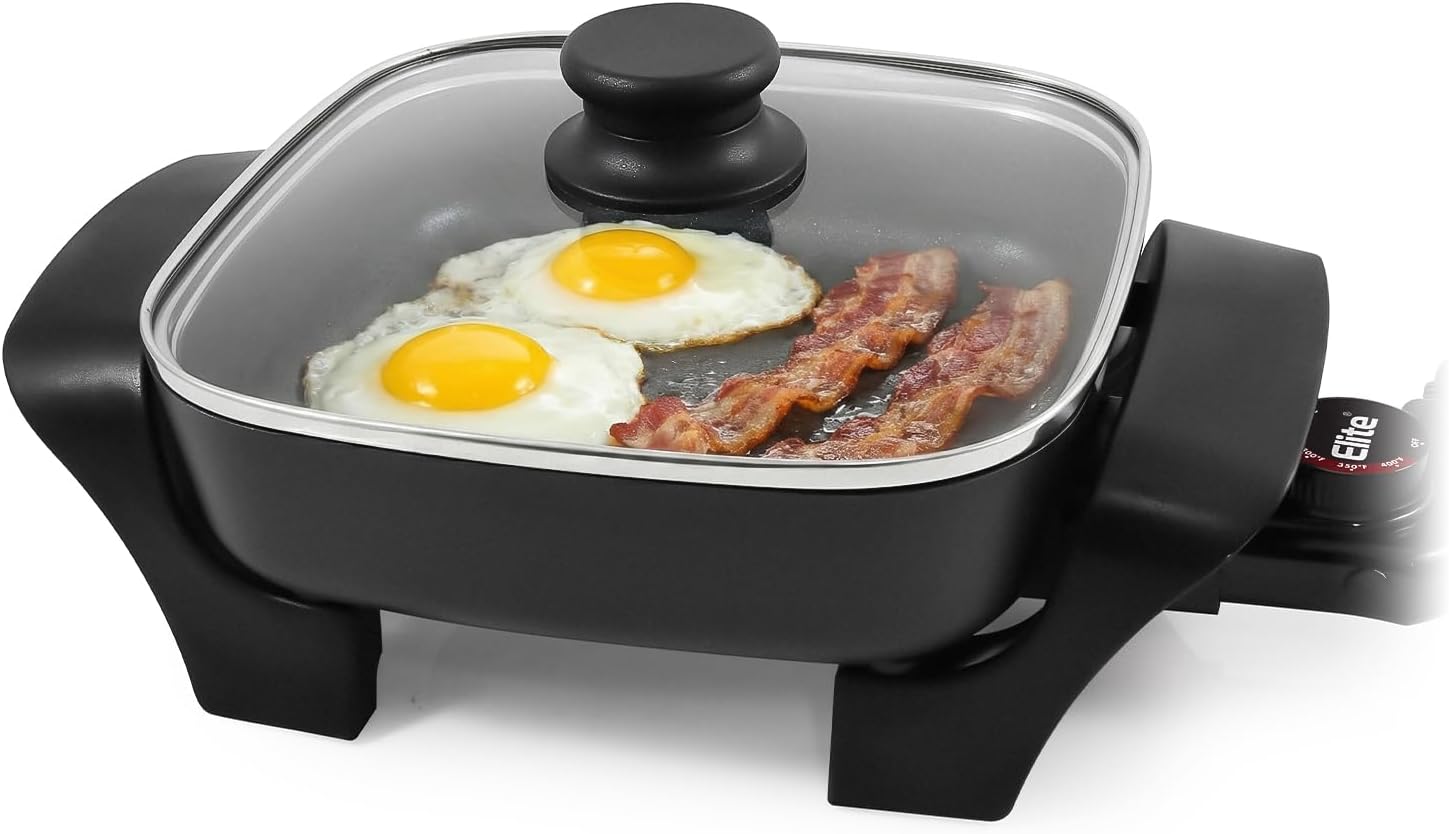
Finding the right cooking appliance for small spaces often leads home cooks toward compact kitchen gear. An 8 inch electric frying pan provides a dedicated surface for single portions, dorm rooms, or RV countertops without demanding heavy storage space or permanent stovetop placement. These small appliances combine integrated heating elements with non-stick coatings to handle everyday frying, simmering, and sautéing tasks.
Reviewing available options helps clarify how different wattage levels, temperature controls, and shape designs impact daily meal preparation. While some models feature square cooking areas to maximize corner-to-corner space, others emphasize rounded profiles with precise multi-setting dials. Evaluating these specifications ensures you select a compact skillet that matches your exact cooking habits and spatial constraints.
As an Amazon Associate, StacyLaughs earns from qualifying purchases.
Buying guide
Evaluating Wattage and Power Distribution
Selecting an electric frying pan requires understanding how wattage impacts heating speed and consistency. Most compact models operate around 600 to 650 watts on standard 120-volt circuits. This power level is optimized for smaller surfaces, letting the appliance heat up rapidly without overloading wall outlets. Lower wattage options draw less electricity, making them ideal for dorms and recreational vehicles where power draw remains modest.
Evaluating how power distributes across the cooking floor prevents unevenly cooked meals. Some appliances use embedded elements beneath the base, ensuring heat spreads uniformly from edge to edge. Consider what foods you plan to prepare. Quick breakfasts and basic sautées require consistent medium heat, whereas high-temperature searing benefits from robust thermal retention provided by cast aluminum bodies.
Understanding Non-Stick Surface Materials
The interior coating of an electric frying pan dictates how easily food releases and how simple the subsequent cleanup will be. Modern compact skillets frequently utilize advanced ceramic non-stick surfaces free from PFOA and PFAS chemicals. These coatings promote a smooth cooking experience where eggs, pancakes, and melted cheese slide off effortlessly with minimal oil. Choosing a certified chemical-free surface provides peace of mind for daily cooking routines.
Maintaining these non-stick layers requires attention to utensil compatibility and cleaning methods. Most manufacturers specify using wooden or silicone tools to avoid scratching the delicate ceramic finish. Metal spatulas and forks can damage the protective coating, diminishing its non-stick properties over time. Similarly, allowing the pan to cool before wiping with a damp cloth or washing protects the bonding layers against thermal shock and premature wear.
Managing Capacity and Spatial Footprint
Compact electric frying pans typically feature eight-inch square or round cooking footprints designed for single-serving or two-person meal preparation. Evaluating your available storage space helps determine whether a shallow round pan or a deep-sided square model fits your kitchen layout. Square pans maximize usable corner space, giving you slightly more room for ingredients than rounded perimeters of identical nominal width.
Side wall depth is another critical factor when balancing capacity with spatial constraints. Models featuring four-inch deep sides accommodate versatile recipes including one-pot pastas, braised meats, and simmering stews without overflow risks. However, deeper walls and wider external dimensions require slightly more cabinet storage room. Assessing your typical menu items ensures you select a capacity that handles your favorite dishes without taking up excessive countertop area.
Temperature Control Mechanisms and Dials
Precise temperature regulation transforms a basic heating basin into a versatile multi-purpose cooking appliance. Many 8-inch electric frying pans feature removable thermostat probes with adjustable dials ranging from low simmers up to 400 degrees Fahrenheit. Indicator lights confirm when the selected temperature is actively maintained, taking the guesswork out of frying bacon, searing chicken, or keeping sauces warm until serving time.
The design of the temperature control unit also influences daily convenience and storage. Detachable probes allow you to remove the power cord entirely, turning the skillet into a direct serving dish that goes straight to the dining table. When shopping, check whether the temperature dial offers multi-setting increments or a continuous sweep, as this affects how finely you can tune the heat for delicate reduction sauces or high-heat crisping.
Lid Design and Moisture Retention
Tempered glass lids play a vital role in trapping heat and circulating steam for tender, flavorful results. A transparent lid allows cooks to monitor cooking progress visually without lifting the cover, preventing heat loss and maintaining stable internal temperatures. Many models also include integrated steam vents that release excess pressure, reducing the likelihood of moisture buildup clouding the glass or causing accidental boil-overs during simmering tasks.
The construction quality of the lid rim and handle adds an extra layer of operational safety. Heat-resistant knobs or secure handles ensure you can lift or adjust the cover safely during active cooking without needing bulky oven mitts. When evaluating potential models, verify that the lid fits snugly against the rim of the pan to create an effective seal for steaming vegetables or braising meats efficiently.
Cleanup Convenience and Maintenance Routines
Streamlining post-meal cleanup is one of the primary benefits of investing in a dedicated electric frying pan. Units featuring removable power cords and detachable thermostat probes allow the main cooking base to be wiped down or washed independently. Several compact models offer dishwasher-safe bases and glass lids, provided you remove the electrical probe first and load the components onto the top rack according to manufacturer guidelines.
Exterior finishes also impact daily maintenance requirements. Lacquered metal bodies resist rust and wipe clean easily with a damp cloth, though light-colored exteriors may require more frequent attention to prevent grease accumulation marks. Following proper cleaning protocols protects the electrical connectors and preserves the non-stick coating integrity, ensuring your compact appliance maintains reliable performance over years of regular use in tight kitchen spaces.
Frequently asked questions
Can I use metal utensils on a ceramic non-stick electric skillet?
Manufacturers universally advise against using metal utensils on ceramic non-stick coatings to prevent scratching and surface degradation. Metal forks, knives, and rigid metal spatulas can easily chip or compromise the protective non-stick layers, causing food to stick over time. Instead, you should rely strictly on wooden, silicone, or heat-resistant plastic utensils when flipping, stirring, or serving food from your electric pan. Adhering to this practice preserves the smooth release properties of the ceramic coating and extends the functional lifespan of your compact cooking appliance significantly.
How do I clean an electric frying pan safely without damaging the electrical components?
Cleaning an electric frying pan safely requires disconnecting and removing the thermostat probe or power cord before any washing begins. You should never submerge the electrical receptacle or the entire skillet base in water unless the manufacturer explicitly states the unit is fully immersible. For most models, let the pan cool down completely, then wipe the interior non-stick surface and exterior body with a damp soapy cloth or sponge. If the base is dishwasher safe, place it on the top rack after removing all electronic parts.
What kinds of dishes can I prepare in an 8-inch electric skillet?
An 8-inch electric skillet accommodates a wide variety of daily meals, making it exceptionally versatile for compact living spaces. You can fry eggs and bacon for breakfast, grill cheese sandwiches or heat up soups for lunch, and prepare stir-fries, one-pot pastas, or pan-seared chicken breasts for dinner. Models with four-inch deep sides and a 2.5-quart capacity also handle light braising, simmering stews, and steaming vegetables effectively. While batch sizes are limited by the physical eight-inch footprint, the steady variable heat supports numerous standard cooking techniques.
Can I take the electric skillet directly to the dining table for serving?
Many compact electric skillets are specifically designed for table service once cooking is complete. Models featuring removable thermostat probes allow you to detach the electrical cord entirely from the pan body. The inclusion of cool-touch handles and stable anti-skid feet or bases lets you carry the skillet securely without needing bulky oven mitts. This feature transforms the cooking appliance into a convenient serving vessel, keeping food warm at the table while reducing the number of extra serving dishes you need to wash afterward.
Why is my electric skillet heating unevenly or taking too long to cook?
Uneven heating or slow cooking in an electric skillet can stem from several common operational factors. First, ensure the removable thermostat probe is pushed firmly and securely into the appliance socket so electrical current flows without interruption. Using extension cords or plugging the skillet into overloaded circuits can also reduce power delivery, limiting the 600-watt heating element from reaching maximum performance. Additionally, allowing grease buildup on the heating base can interfere with thermal transfer, making regular cleaning essential for maintaining consistent temperatures.