Appliances · Buying Guide
Best All Clad 10 Inch Skillet Options For Everyday Cooking Success

Finding the right cookware for your kitchen involves balancing heat distribution, material durability, and daily maintenance needs. The all clad 10 inch skillet lineup offers several distinct configurations, ranging from classic tri-ply stainless steel to hard anodized nonstick surfaces. Each option brings specific design characteristics to your stovetop, helping you tackle everything from delicate eggs to high-heat searing without crowding your ingredients.
Exploring these pans reveals differences in lid inclusions, set packaging, and cleanup requirements that directly impact your cooking routine. Whether you prefer the timeless polished finish of bonded metal or the effortless food release of reinforced nonstick coatings, understanding these features ensures a practical match for your culinary style. Let us examine the specific details of these versatile kitchen workhorses to see which configuration fits your daily meal preparation.
As an Amazon Associate, StacyLaughs earns from qualifying purchases.
Buying guide
Material Construction and Heat Distribution
Choosing between stainless steel and hard anodized aluminum depends entirely on your everyday cooking habits and thermal preferences. Stainless steel models utilize bonded metal layers with responsive aluminum cores to spread thermal energy uniformly across the entire pan base. This robust construction prevents hot spots and delivers reliable performance when searing meats at high temperatures on any stovetop.
Hard anodized aluminum options offer alternative benefits by combining lightweight structural strength with reinforced bases that resist warping over time. These pans heat evenly while providing a sturdy foundation for everyday stovetop tasks like sautéing vegetables. Understanding how each material behaves helps you select a skillet that aligns with your preferred cooking styles and daily meal routines.
Surface Coatings and Food Release
Surface finishes dictate how easily foods release from the pan and how much cooking oil you need during preparation. Traditional stainless steel interiors provide a reactive, highly durable metal surface that excels at developing rich pan fond for sauces. However, mastering proper temperature control is necessary to prevent sticking when cooking delicate ingredients like eggs or fish on your stovetop.
Nonstick surfaces coated with PTFE offer effortless food release and require minimal oil for daily cooking tasks. These specialized coatings simplify flipping pancakes and sliding delicate items onto serving plates without tearing. Evaluating whether you prefer raw metal durability or nonstick convenience ensures your new skillet matches your culinary expectations and meal preparation style.
Lid Inclusions and Cooking Versatility
Deciding whether your skillet requires a matching lid depends heavily on the types of dishes you prepare most often in your kitchen. Open skillets work wonderfully for quick searing, dry frying, and rapid evaporation of cooking liquids. They keep the rim entirely clear and allow effortless spatula access from any angle during high-speed sautéing tasks.
Skillets paired with lids introduce extra culinary versatility by enabling simmering, steaming, and moisture retention for finishing thick cuts of meat. Glass lids offer the added advantage of visual monitoring without lifting the cover, while solid metal lids withstand higher oven temperatures. Consider your standard recipes to determine if a cover is truly essential for your kitchen workflow.
Heat Source Compatibility and Limits
Modern kitchens feature diverse stovetop configurations, making universal compatibility an important factor when selecting your cookware. Many premium skillets support gas, electric coil, and smooth surface induction cooktops seamlessly. This broad flexibility allows you to transition your cookware between different homes or kitchen upgrades without worrying about whether the base will function properly on your heating element.
Temperature thresholds also vary significantly based on whether the pan includes nonstick coatings or glass components. Stainless steel models often withstand extremely high oven and broiler temperatures, while nonstick pans and glass lids have lower maximum heat limits. Checking these technical specifications ensures safe operation during intensive baking and roasting tasks in your home kitchen.
Cleaning and Maintenance Requirements
Maintaining your skillet properly preserves its visual appearance and cooking performance over years of regular kitchen use. Stainless steel models typically require careful hand washing to prevent surface dullness and keep the polished exterior gleaming brightly. While manual washing takes extra effort, it prevents harsh automatic dishwasher detergents from degrading the metal finish over extended periods.
Nonstick and hard anodized options frequently feature dishwasher-safe construction to simplify daily cleanup routines after busy meal preparation. However, preserving specialized nonstick coatings still benefits from gentle sponge cleaning and nonmetal utensils. Balancing your personal willingness to hand wash against the everyday convenience of machine washing guides your final cookware choice.
Single Pan Versus Set Selection
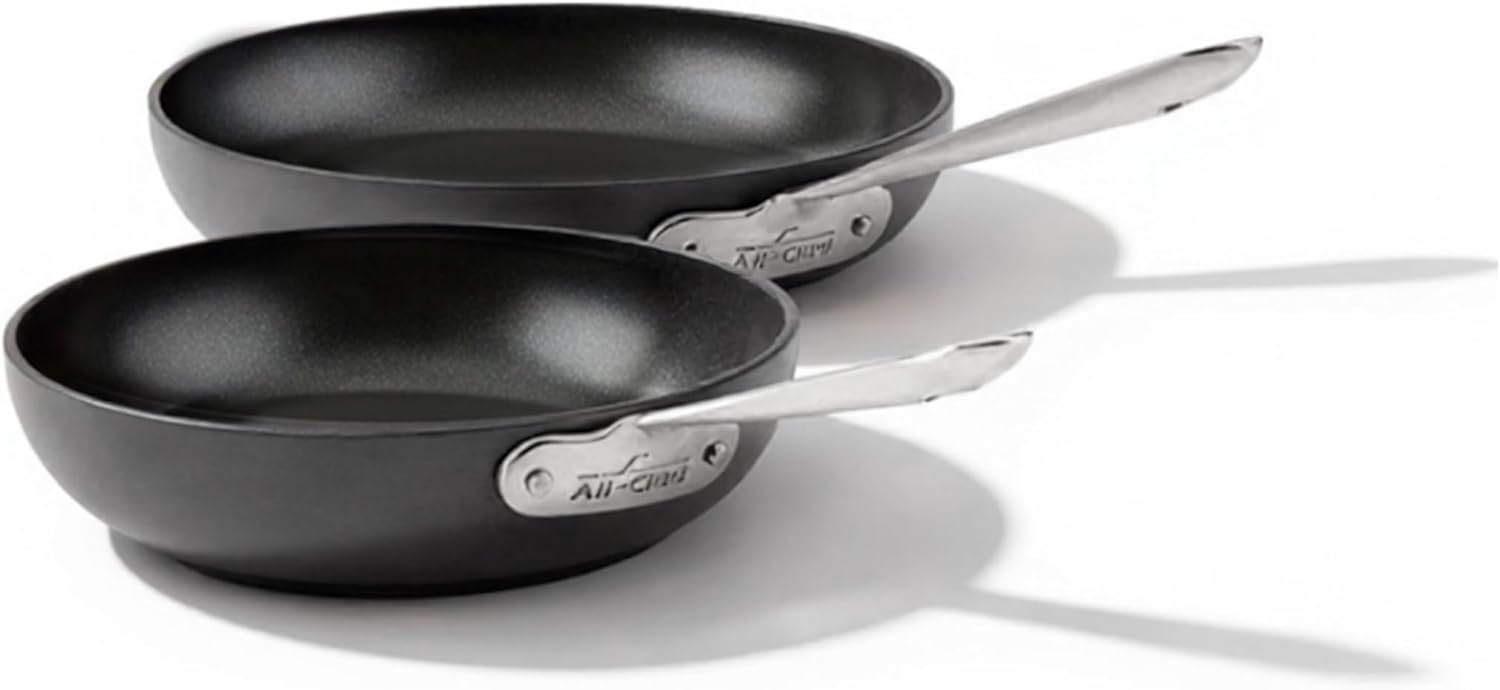
Purchasing cookware as a single 10-inch skillet or as part of a multi-piece set depends entirely on your storage capacity and cooking volume. A single skillet provides a targeted solution if you only need a specific size for daily egg preparation or quick single-serving meals. It minimizes clutter and focuses your investment on one high-performance item.
Cookware sets incorporating 10-inch pans alongside smaller or larger sizes offer greater versatility for multi-course meal preparation. Having complementary diameters allows you to sauté vegetables in one pan while searing proteins in another simultaneously. Evaluating your kitchen storage space and meal complexity helps clarify whether a set or solo pan is best.
Frequently asked questions
Can I use metal utensils on All-Clad 10 inch skillets?
Using metal utensils depends entirely on the specific surface material of the skillet you choose. Stainless steel models feature durable metal cooking surfaces that easily withstand whisks, spatulas, and spoons without scratching or damaging the base. Conversely, nonstick models featuring PTFE coatings require nonmetal utensils such as wood, silicone, or nylon to protect the finish from premature wear and scratching. Always check your specific pan construction before cooking with metal tools to preserve the integrity of the cooking surface over time.
Are All-Clad 10 inch skillets compatible with induction cooktops?
Many All-Clad 10-inch skillets feature magnetic bases or fully bonded tri-ply construction that delivers full compatibility with induction cooktops, along with gas and electric coils. The inclusion of steel exterior layers or optimized stainless steel bases ensures efficient heat transfer on smooth surface induction elements. However, it remains important to review the specific compatibility details for each individual pan or set before purchase to guarantee it matches your particular kitchen stovetop configuration.
What is the maximum oven safe temperature for these skillets?
Maximum oven safety limits vary considerably depending on the materials and components used in each skillet configuration. Stainless steel models without nonstick coatings or glass lids can typically withstand oven and broiler temperatures up to 600 degrees Fahrenheit. On the other hand, models featuring nonstick surfaces, glass lids, or specialized components often have lower maximum heat thresholds, sometimes restricted to 350 or 500 degrees Fahrenheit. Reviewing individual specifications helps ensure safe baking and roasting.
Do All-Clad 10 inch stainless steel skillets require hand washing?
Stainless steel All-Clad skillets explicitly recommend hand washing to maintain their highly polished finish and prevent long-term cosmetic dullness caused by harsh dishwasher detergents. While manual cleaning requires a bit of extra effort with warm soapy water and a sponge, it preserves the gleaming appearance of the bonded metal exterior. Nonstick variants in the lineup frequently offer dishwasher-safe convenience, but traditional stainless steel models perform best when washed by hand after every use.
What are the advantages of choosing a 10-inch skillet with a lid?
Selecting a 10-inch skillet that includes a matching lid introduces valuable versatility for cooking techniques that require trapped heat and moisture. A lid allows you to effectively steam vegetables, melt cheese over burgers, simmer sauces, or finish cooking thick proteins by locking in internal warmth. Open skillets remain ideal for dry searing and fast evaporation, but adding a cover transforms the pan into a multi-purpose tool for braising and covered cooking tasks.