Appliances · Buying Guide
Best All-Clad 10 Saute Pan Choices and Alternatives for Your Kitchen
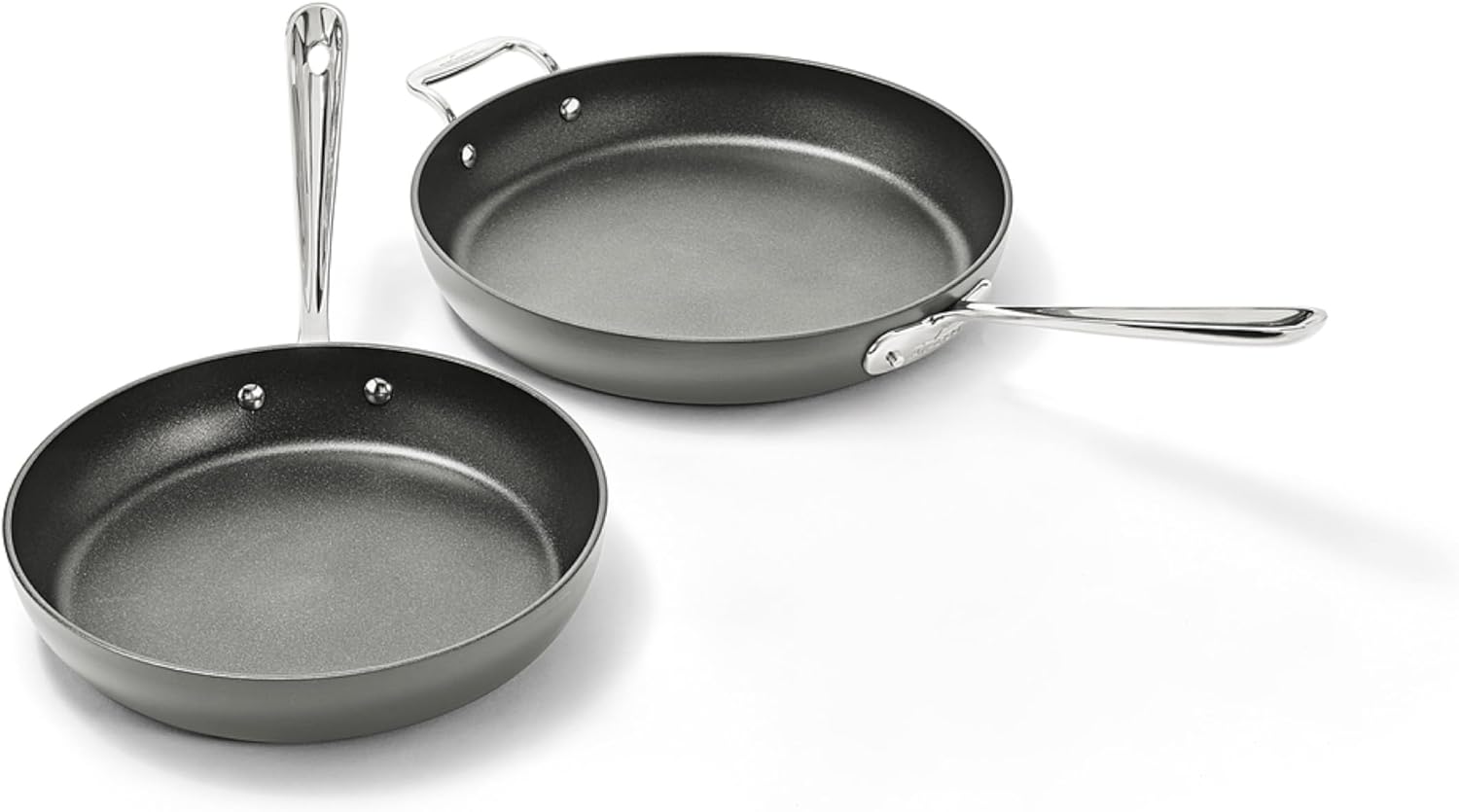
Finding the right cookware for your home kitchen involves balancing material construction, heat distribution, and cooking surface needs. When looking at options like an all clad 10 saute pan or related fry and sauté models, understanding core specifications helps match your daily meal preparation routines. Manufacturers offer various configurations, from stainless steel tri-ply bonded designs to hard-anodized nonstick alternatives suited for induction, gas, and electric stovetops.
Each piece brings distinct performance attributes, such as encapsulated aluminum cores for even heating or specialized handles designed for secure grips. Reviewing these specific builds allows home cooks to select tools that align with their preferred cooking techniques, whether that means high-heat searing or gentle simmering.
As an Amazon Associate, StacyLaughs earns from qualifying purchases.
Buying guide
Material Construction and Core Performance
Selecting the right cookware material significantly impacts how heat transfers from your burner to your food. Stainless steel tri-ply models utilize an aluminum core sandwiched between steel layers, delivering rapid and even thermal conductivity. This setup suits high-heat searing and professional-style browning.
Hard-anodized aluminum alternatives offer alternative benefits, featuring robust durability and warp resistance. When reinforced with stainless steel bases, these pans distribute heat consistently while supporting various cooktop types. Understanding your routine cooking temperatures helps dictate whether bare metal or treated aluminum serves your kitchen best.
Surface Coatings and Food Release
Cooking surfaces vary between traditional bare metal and modern PTFE nonstick coatings. Nonstick surfaces excel at preparing delicate items like eggs, fish, and low-fat meals without excessive oil. They simplify cleanup tasks significantly after everyday cooking sessions conclude.
Bare stainless steel surfaces, conversely, tolerate much higher cooking temperatures and metal utensils without surface degradation. They allow cooks to develop rich pan sauces and deep crusts. Choosing between these options depends heavily on whether you prioritize effortless food release or maximum thermal durability.
Capacity and Sauté Pan Depth
Pan dimensions dictate how much food you can prepare at once without overcrowding the cooking surface. Sauté pans feature straight sidewalls that hold more liquid and ingredients than standard sloping fry pans. A three-quart or four-quart capacity works well for family meals and saucy dishes.
Taller sidewalls also help contain splatters when browning meats or reducing liquids on the stovetop. Evaluators should consider typical batch sizes and recipe types to decide if a shallow fry pan or a deep-sided sauté model fits their culinary needs.
Stovetop and Oven Compatibility
Modern cookware must adapt to diverse kitchen environments, including gas, electric, and induction cooktops. Optimized stainless steel bases enable hard-anodized and tri-ply pans to function smoothly across induction surfaces. Checking compatibility ensures your cookware performs reliably regardless of your range type.
Oven safety limits also vary widely across different product lines. Some stainless steel items withstand temperatures up to six hundred degrees, while specific nonstick or glass lid configurations have lower thresholds. Reviewing these temperature limits prevents accidental damage during baking or broiling tasks.
Handle Design and Ergonomic Control
Comfortable handles provide essential control when lifting, tilting, or moving heavy pans filled with food. Riveted stainless steel handles offer secure attachment and reliable stability during extended cooking sessions. Classic designs often feature contours tailored for specific grips.
Double-riveted configurations enhance structural strength, ensuring the handle remains firm over years of frequent use. Evaluating handle placement and grip shape helps reduce hand fatigue when maneuvering hot cookware between burners and countertops safely.
Cleaning and Maintenance Guidelines
Proper maintenance preserves the longevity and appearance of your kitchen investment. Some stainless steel models require hand washing to maintain their polished finish, while certain nonstick variants permit dishwasher cycles. Following manufacturer care instructions protects specialty coatings.
Nonstick surfaces typically benefit from gentle sponge cleaning and non-metal utensils to prevent scratches. Adhering to these maintenance practices ensures consistent performance over time, keeping your cookware ready for daily meal preparation without unexpected wear issues.
Frequently asked questions
Can I use metal utensils on All-Clad nonstick pans?
Manufacturer guidelines strongly recommend avoiding metal utensils on nonstick surfaces to prevent scratching or prematurely damaging the coating. Instead, users should select silicone, nylon, or wooden utensils during cooking tasks. For stainless steel models, metal utensils are generally acceptable because bare metal withstands scraping much better. Sticking to appropriate tools preserves the lifespan of nonstick layers, ensuring smooth food release continues over years of regular kitchen use, cleaning, and general maintenance.
Are All-Clad pans compatible with induction cooktops?
Many All-Clad collections feature magnetic stainless steel outer layers or optimized bases that provide full compatibility with induction cooktops. This includes both the D3 stainless steel series and various hard-anodized nonstick lines. When shopping, verifying specifications ensures that your chosen pan will heat efficiently on smooth-surface induction ranges as well as traditional gas and electric coils. This cross-compatibility makes it easy to transition your cookware if you ever upgrade your kitchen range in the future.
What is the difference between a fry pan and a sauté pan?
A fry pan typically features flared sidewalls designed for easy flipping, turning, and sliding food out with a spatula. In contrast, a sauté pan incorporates straight, vertical sidewalls and a flat base. These straight walls provide greater volume, making sauté pans ideal for holding more liquid, reducing sauces, and simmering multi-ingredient meals while containing splatters effectively. Choosing between them depends on whether your recipes involve frequent flipping or deeper volume cooking.
How should I clean my stainless steel cookware?
Stainless steel items that specify hand washing should be cleaned using warm soapy water and a non-abrasive sponge. While some models tolerate certain cleaning methods, following specific product care instructions prevents exterior dulling and preserves the polished finish. Avoiding harsh steel wool or abrasive cleaners helps protect the metal from unnecessary scratching. Proper drying after washing also prevents water spots, keeping your cookware looking pristine and professional in storage.
What temperature limits apply to oven-safe All-Clad pans?
Oven safety thresholds vary depending on the specific materials and included components of each pan. Stainless steel tri-ply models often handle temperatures up to six hundred degrees Fahrenheit, making them suitable for intense broiling. Conversely, hard-anodized nonstick pans usually limit oven exposure to five hundred degrees, and associated tempered glass lids often carry lower limits around three hundred fifty degrees. Checking individual product specifications ensures safe usage during high-heat baking tasks.