Appliances · Buying Guide
Best All-Clad Cookware Nonstick Sets for Everyday Kitchen Cooking
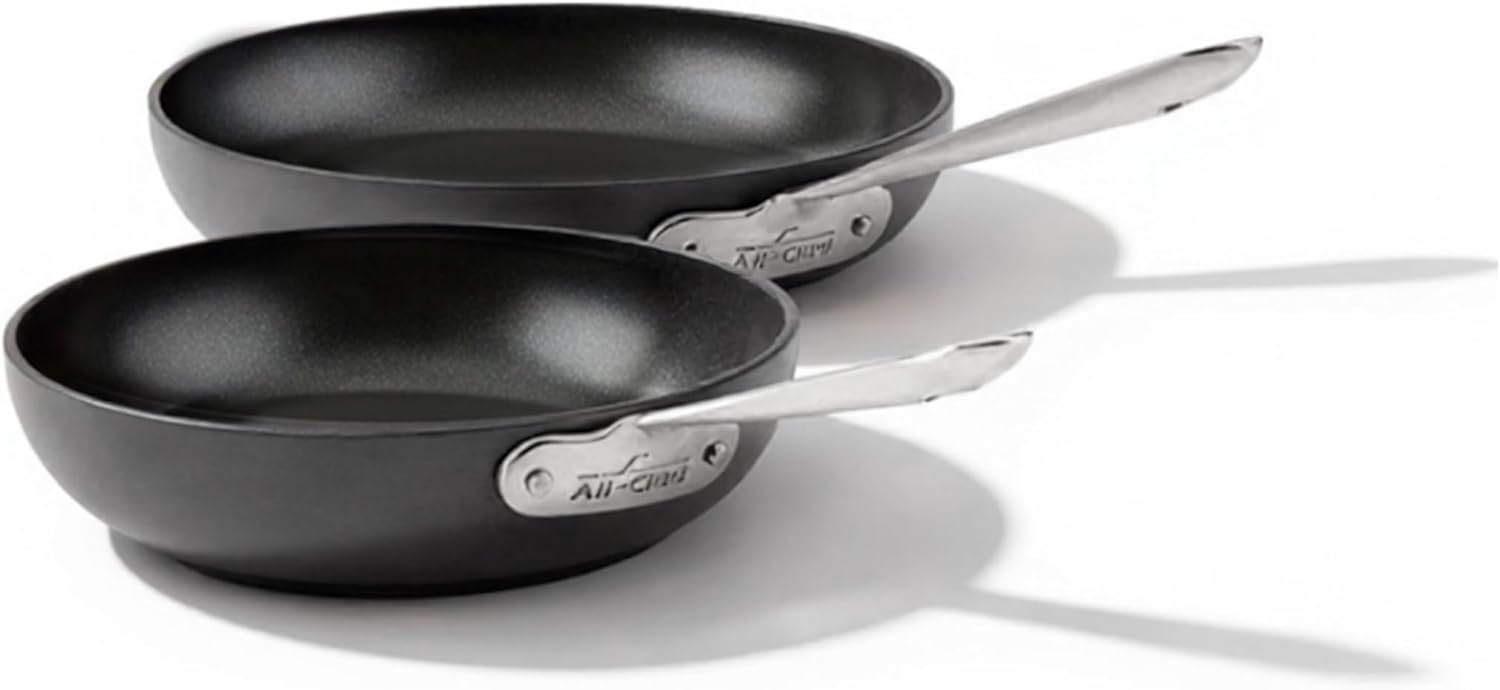
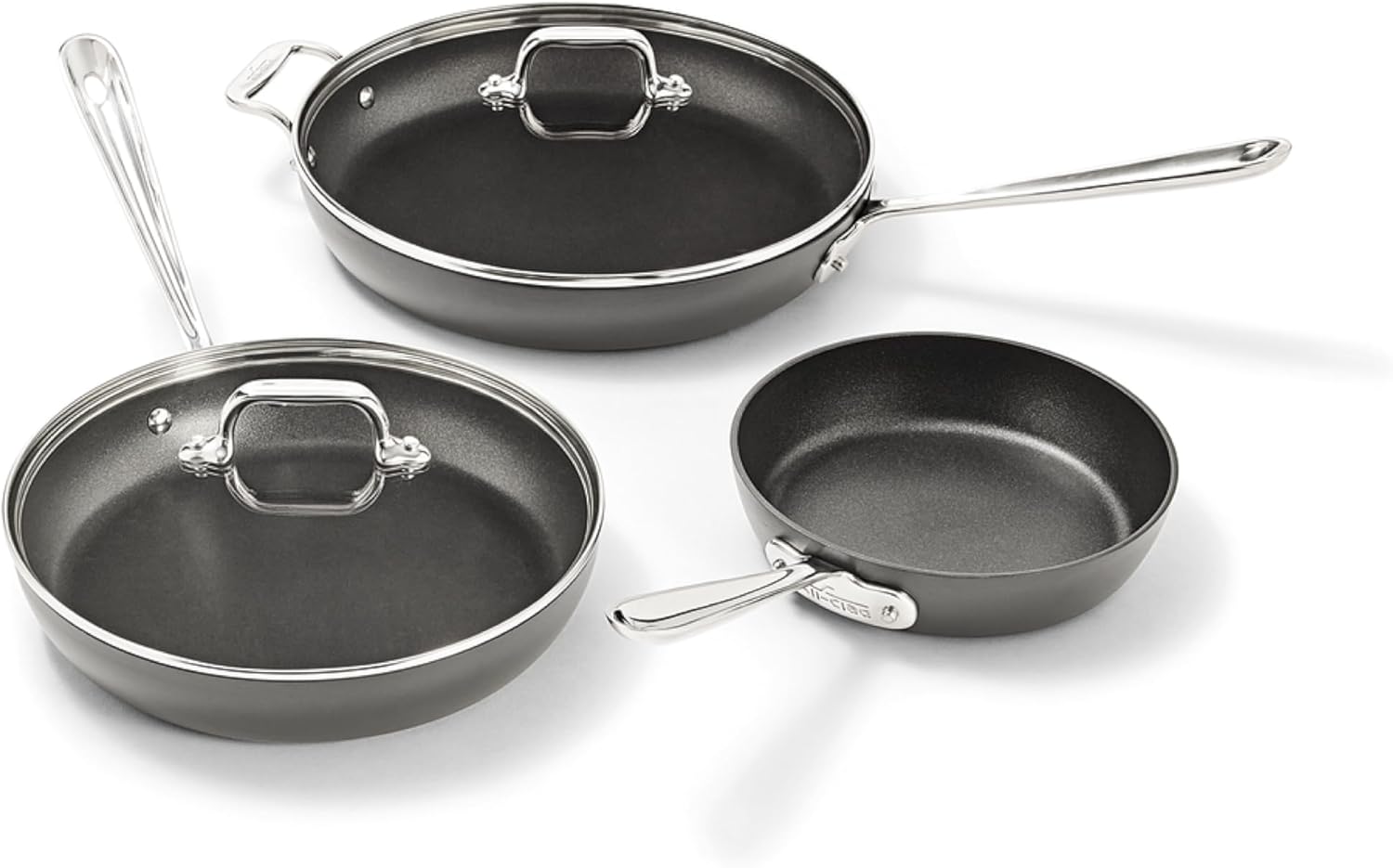
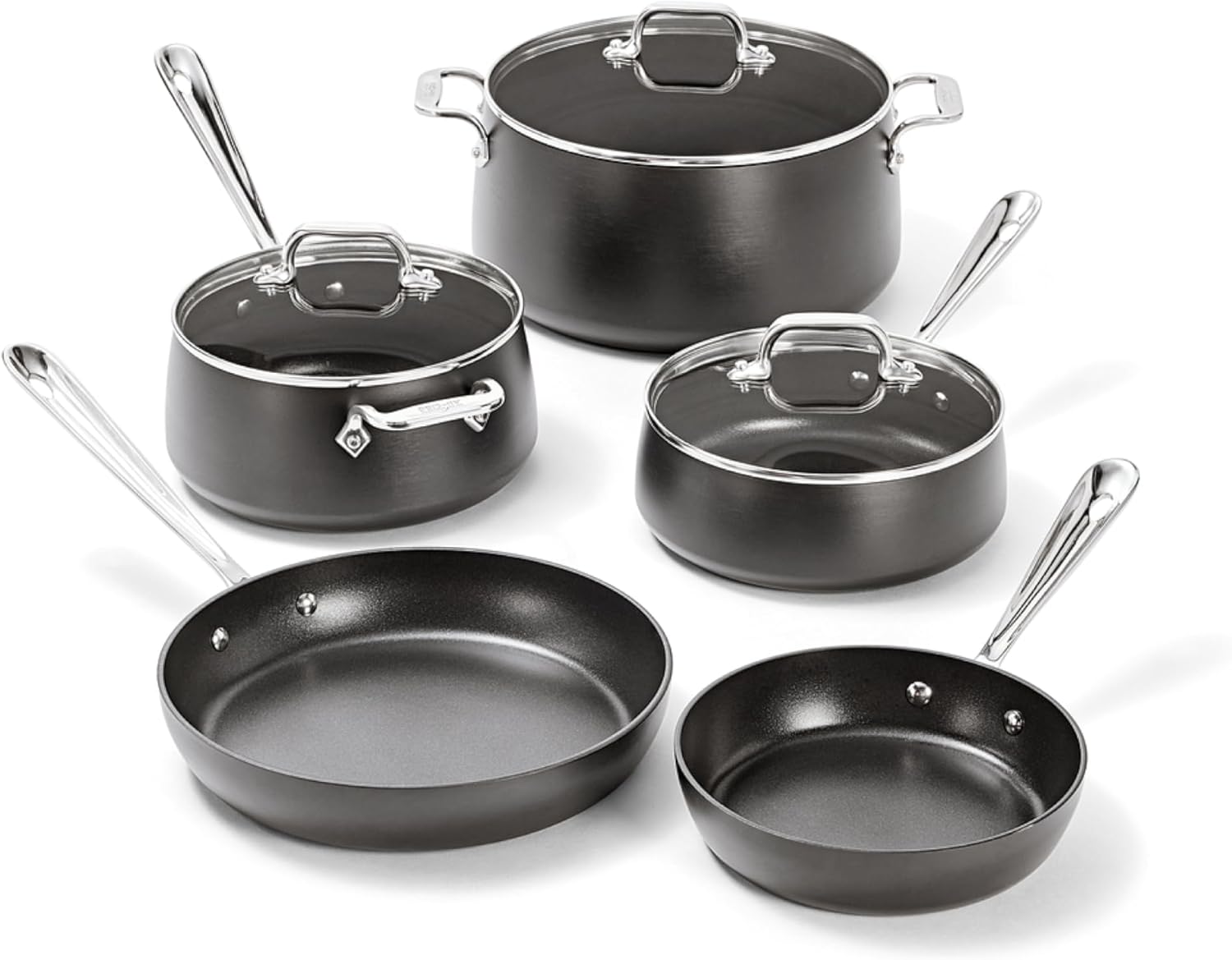
Choosing reliable kitchen equipment involves carefully evaluating material construction, piece counts, and heat source compatibility. All-Clad HA1 nonstick cookware brings durable hard-anodized aluminum construction paired with reinforced stainless-steel bases to everyday home cooking tasks. These configurations range from compact fry pan pairs to large multi-piece assortments designed for seamless performance on induction, gas, and electric cooktops.
Understanding your daily meal preparation habits helps determine the ideal set configuration for your kitchen. Whether you need a single large skillet for searing meats or a comprehensive multi-piece collection for diverse baking and stovetop projects, matching piece counts to your routine ensures practical utility without overcrowding your storage spaces.
As an Amazon Associate, StacyLaughs earns from qualifying purchases.
Buying guide
Choosing the Right Piece Count
Determining how many pots and pans you actually need prevents kitchen clutter and ensures you have the right vessel for every meal. Smaller sets featuring two to five pieces suit individuals, couples, or those with existing cookware collections who only want specific upgrades. Larger sets containing eight to thirteen pieces provide comprehensive coverage for complex recipes, multi-course dinners, and frequent home cooking routines.
Assess your typical cooking habits before selecting a configuration. If you mostly boil pasta and simmer sauces, deep pots matter more than extra frying pans. Matching your collection size to your household meal patterns guarantees practical utility without paying for specialty items that sit unused in storage cabinets.
Understanding Material Construction
Material composition dictates durability, thermal conductivity, and how well cookware resists warping over years of regular use. Hard-anodized aluminum provides a sturdy, scratch-resistant exterior that handles high heat while distributing warmth evenly across the base. Reinforced stainless-steel bases bond structural strength directly to the aluminum core, ensuring reliable stability whether you cook on gas, electric, or modern induction cooktops.
Recognizing these structural benefits helps you appreciate why certain cookware collections maintain performance over time. The combination of aluminum responsiveness and stainless steel reinforcement prevents hot spots during searing. Evaluating these physical properties guarantees your investment supports consistent culinary results across diverse burner types.
Evaluating Stovetop and Oven Compatibility
Modern kitchens feature diverse heating surfaces, making cross-compatibility an essential factor when purchasing pots and pans. Cookware reinforced with optimized stainless-steel bases operates efficiently on gas burners, electric coils, and energy-saving induction cooktops without requiring special adapters. Additionally, checking maximum temperature ratings ensures your pans can transition directly from stovetop searing to high-heat oven finishing without structural degradation.
Pay close attention to temperature thresholds for both pans and lids before baking. While many durable skillets withstand oven heat up to five hundred degrees, accompanying glass lids often feature lower thermal limits. Verifying these specifications prevents accidental damage during complex recipes that require transferring covered dishes into hot ovens.
Nonstick Coating Maintenance and Utensils
Preserving the longevity of PTFE nonstick surfaces requires following specific care guidelines regarding cleaning methods and tool selection. Using silicone, nylon, or wooden utensils prevents scratching and premature wear on the delicate coating during active cooking and stirring. Avoiding metal turners and sharp edges protects the smooth release properties, ensuring food slides effortlessly across the pan surface meal after meal.
Hand washing with mild dish soap and a soft sponge helps maintain the nonstick layer over years of regular food preparation. Although dishwasher-safe options exist, routine manual cleaning minimizes harsh detergent exposure. Adopting these simple maintenance habits extends the functional lifespan of your cookware investment significantly.
Handle Design and Ergonomic Control
Comfortable handle construction significantly influences safety and maneuverability when lifting heavy pots filled with liquids or food. Double-riveted stainless-steel handles offer a secure, permanent attachment that resists loosening over extended periods of heavy kitchen use. Contoured shapes fit naturally in the hand, providing steady control whether you are tossing vegetables in a skillet or carrying a stockpot.
Ergonomic design also impacts how easily you can store or maneuver your cookware within tight kitchen spaces. Sturdy stainless-steel grips balance the weight of reinforced bases effectively. Prioritizing well-anchored, comfortable handles ensures secure handling during demanding cooking tasks involving hot ingredients and heavy loads.
Storage Space and Kitchen Layout
Factoring in your available kitchen storage space prevents overcrowding cabinets and protects cookware from unnecessary scratching or denting. Larger multi-piece sets require designated shelving, deep drawers, or hanging racks to accommodate numerous pots, pans, and lids safely. Measuring your storage capacity before purchasing helps you decide between comprehensive collections and streamlined, space-saving fry pan combinations.
Efficient organization also makes daily cooking routines smoother by keeping frequently used skillets within easy reach. Stacking pans carefully or using protective dividers preserves nonstick coatings over time. Matching your cookware collection size to your physical kitchen dimensions ensures long-term convenience and satisfaction.
Frequently asked questions
Are these nonstick pots and pans safe to use on induction cooktops?
Yes, these cookware options feature an optimized stainless-steel base engineered specifically to work efficiently on all modern stovetops, including energy-saving induction cooktops. The magnetic properties of the reinforced base allow induction burners to heat the aluminum core evenly and rapidly. This universal compatibility ensures you can upgrade your cookware collection without worrying about whether it will function correctly on your existing kitchen range or if you ever decide to switch to a different cooking surface in the future.
What types of utensils should I use to protect the nonstick coating?
To maintain the long-lasting performance of the PTFE nonstick surface, manufacturers recommend using silicone, nylon, or wooden utensils during cooking. Metal spatulas, forks, and whisks can scratch, gouge, or wear down the protective coating prematurely, reducing its effortless food release capabilities. Sticking to non-scratch kitchen tools ensures your skillets and saucepans remain smooth and functional over years of regular meal preparation. Always avoid sharp metal edges when stirring or turning ingredients in your pans.
Can I put these hard-anodized nonstick items in the dishwasher?
While the cookware is rated as dishwasher safe, washing your pots and pans by hand using mild dish soap and a soft sponge is strongly recommended to preserve the nonstick coating over time. Frequent exposure to harsh dishwasher detergents and high-heat drying cycles can dull the exterior finish and degrade the nonstick performance sooner than manual cleaning. Taking a few extra moments to wash your cookware gently with soapy water helps maintain optimal food release and extends the functional lifespan of your investment.
What is the maximum oven-safe temperature for these pots, pans, and lids?
The pots and pans themselves are engineered to withstand oven temperatures up to 500 degrees Fahrenheit, allowing you to easily transfer dishes from stovetop searing to oven baking or finishing. However, accompanying tempered glass lids typically feature a lower temperature threshold of 350 degrees Fahrenheit. Always verify the specific rating of each component before moving covered cookware into a hot oven to prevent thermal shock or damage to the glass and handles during your cooking process.
How does hard-anodized aluminum improve cooking performance?
Hard-anodized aluminum undergoes an electrochemical process that hardens the metal, making it exceptionally durable, scratch-resistant, and significantly more warp-resistant than standard untreated aluminum. This robust construction pairs with an optimized stainless-steel base to promote fast, even heat distribution across the entire cooking surface. By eliminating cold spots and maintaining steady thermal regulation, hard-anodized cookware helps you achieve consistent browning, searing, and simmering results across a wide variety of everyday home recipes and cooking techniques.