Appliances · Buying Guide
Best All Clad D5 Skillet Options for Every Kitchen Task

Choosing the right cookware shapes how you prepare daily meals and handle complex recipes. Multi-ply bonded metal offers reliable heat distribution across various stovetops, including induction units, ensuring that your ingredients cook evenly without frustrating hotspots. Whether you are searing thick cuts of meat or sautéing vegetables for a quick weeknight dinner, having dependable equipment makes the entire cooking process smoother and more predictable for home cooks at any skill level.
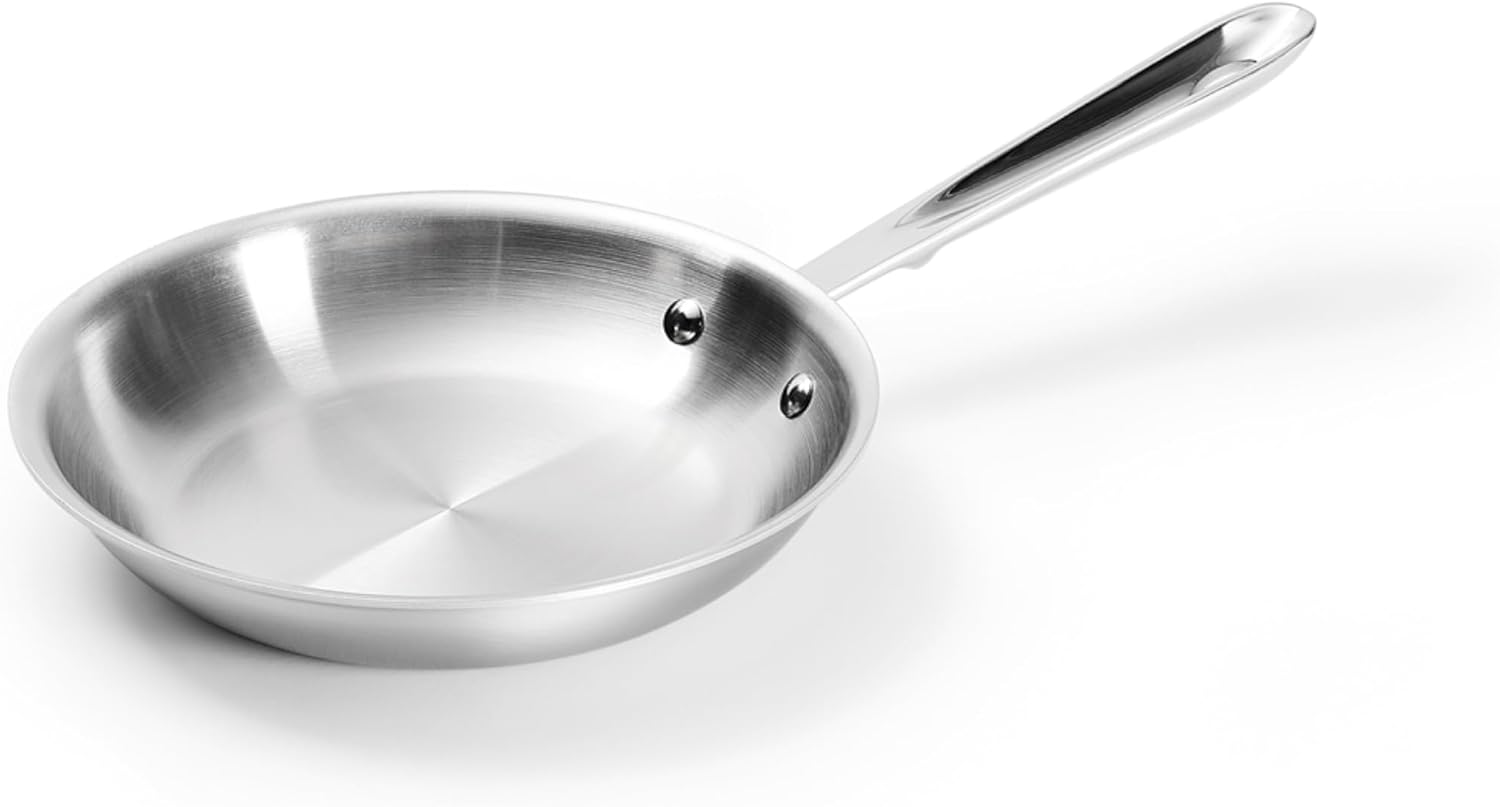
The all clad d5 skillet lineup features distinct sizes and specialized surface types to match different daily cooking requirements. From searing large proteins in family-sized pans to flipping delicate morning eggs in compact nonstick models, understanding these options helps you find a durable pan that matches your routine. Exploring the unique attributes of each build ensures your kitchen remains equipped for both simple breakfasts and ambitious entertaining.
As an Amazon Associate, StacyLaughs earns from qualifying purchases.
Buying guide
Choosing Size and Capacity
Selecting the right pan size depends entirely on your typical household cooking volume and the types of recipes you prepare most frequently. Smaller options work wonderfully for single portions, eggs, and quick morning breakfasts without taking up excessive stove space. Larger models provide the necessary surface area to prevent crowding when cooking multiple proteins and vegetables simultaneously for families.
Matching your pan dimensions to your burner sizes also ensures more uniform heat transfer across the base. Extremely large pans demand adequate storage room in your kitchen cabinets and sufficient sink space for manual cleaning routines. Evaluating your daily meal prep habits helps narrow down whether a compact model or a spacious multi-quart skillet fits your kitchen lifestyle best.
Understanding Multi-Ply Bonded Construction
Multi-ply bonded cookware combines layers of stainless steel and aluminum to optimize thermal performance and durability. The metal core conducts heat rapidly while outer layers provide a stable cooking surface and structural rigidity. This engineering approach eliminates localized hotspots that can burn food during long braising sessions or high-heat searing tasks.
Understanding how these bonded layers interact helps home cooks achieve consistent results across gas, electric, and induction cooktops. The durable exterior finish resists warping over years of regular use under demanding kitchen conditions. Choosing a quality multi-ply skillet ensures that your cookware responds predictably to temperature adjustments whether you are reducing delicate sauces or browning thick cuts of meat.
Evaluating Nonstick Versus Stainless Surfaces
Deciding between a traditional stainless steel surface and a PTFE nonstick coating depends on your preferred cooking techniques and cleanup preferences. Stainless steel surfaces excel at creating deep, flavorful sears and handling high-temperature broiling up to maximum safety limits. Nonstick coatings offer effortless food release with minimal oil, making them ideal for delicate items like eggs and sticky ingredients.
Each surface style carries specific maintenance requirements that influence daily kitchen routines and utensil selection over time. Nonstick pans require gentle hand washing and soft tools to protect the coating from premature wear over years of use. Stainless models withstand tougher cleaning methods but demand careful heat control to prevent food adhesion during cooking sessions.
Stovetop Compatibility and Heat Distribution
Modern cookware must perform reliably across a wide variety of heat sources, including gas burners, electric coils, and smooth induction cooktops. Multi-ply bonded construction facilitates efficient energy transfer regardless of the specific cooktop technology installed in your kitchen. A flat base remains essential for maintaining continuous contact with glass or induction surfaces to ensure optimal thermal transfer.
Temperature control dictates how well your ingredients brown, simmer, or fry without scorching or sticking to the pan floor. Selecting a skillet engineered for broad cooktop compatibility gives you the flexibility to rearrange your kitchen setup or upgrade appliances without replacing your favorite cookware pieces. Reliable heat distribution translates directly to more predictable culinary outcomes during everyday meal preparation.
Handle Design and Ergonomic Control
Comfortable handle design plays a critical role in safety and maneuverability, especially when lifting heavy pans filled with food. Oversized, double-riveted stainless steel handles provide a secure and confident grip while reducing hand fatigue during extended cooking sessions. Securely fastened rivets ensure the handle stays rigidly attached to the pan body over years of frequent use.
Heat-resistant properties help keep the handle cooler for longer periods on the stovetop, though high oven temperatures will require protective mitts. Flared rims integrated into the design work alongside the handle geometry to facilitate drip-free pouring of liquids and pan contents. Prioritizing ergonomic build quality makes transferring heavy skillets from burner to oven much safer and more manageable.
Maintenance and Care Best Practices
Proper maintenance routines extend the lifespan of bonded stainless steel and nonstick cookware significantly over years of regular kitchen service. Hand washing is strongly recommended to preserve exterior finishes and protect specialized interior coatings from harsh dishwasher detergents. Following manufacturer guidelines regarding maximum temperature limits prevents thermal shock and structural warping.
Storing your pans carefully by using protective separators or hanging them securely prevents scratching on polished and brushed exterior surfaces. Utilizing appropriate silicone, nylon, or wooden utensils protects nonstick interiors from accidental gouges during daily food preparation tasks. Adhering to these simple care practices ensures your skillet maintains its appearance and reliable performance over decades of home cooking.
Frequently asked questions
Are these skillets safe to use inside home ovens and under broilers?
Yes, these skillets are designed to handle high oven temperatures, though limits vary depending on the specific interior surface coating. Stainless steel models withstand temperatures up to 600 degrees Fahrenheit, making them fully compatible with intense broiler tasks. Nonstick variants support oven temperatures up to 500 degrees Fahrenheit due to the protective coating constraints. Always check the specific thermal rating of your chosen pan model before transferring it from the stovetop into a hot oven or broiler environment.
Can I use metal utensils on all models of these skillets?
Metal utensils are entirely suitable for uncoated stainless steel models because the durable metal surface resists scratching during regular flipping and stirring. However, you should avoid metal tools when cooking with nonstick surface variants. Using silicone, nylon, or wooden utensils on nonstick pans protects the delicate PTFE coating from gouges and premature wear. Following these utensil guidelines ensures your cooking surface remains smooth, functional, and easy to clean over extended periods of everyday use.
Do these pans work effectively on induction stovetops?
Every skillet in this bonded metal lineup features full compatibility with any modern stovetop, including smooth surface induction units. The integrated steel core and multi-ply construction provide the magnetic properties and rapid energy transfer required for efficient induction heating. This universal stovetop compatibility allows you to switch between gas, electric coil, and induction cooktops without losing cooking performance or needing to purchase specialized cookware adapters for your kitchen.
Why is hand washing required instead of using a dishwasher?
Hand washing is explicitly recommended by the manufacturer to preserve the refined brushed exterior finishes, protect specialized nonstick coatings, and prevent harsh dishwasher detergents from causing surface discoloration. Dishwasher detergents often contain abrasive chemicals that can dull polished metals and degrade bonded edges over time. Taking a few extra moments to wash your skillet by hand with warm soapy water maintains its aesthetic appeal and structural integrity for years of dependable service.
What advantages does 5-ply bonded construction provide over standard pans?
The 5-ply bonded construction utilizes alternating layers of stainless steel and a central steel core to distribute heat evenly across the entire base and up the sides of the pan. This advanced engineering eliminates localized hotspots that cause food to burn in patches while providing warp-free durability. Unlike single-layer pans that heat unevenly, bonded metal cookware ensures steady, predictable thermal performance whether you are simmering sauces, braising meats, or searing delicate proteins at high temperatures.