Appliances · Buying Guide
Best All Clad Frying Pan Choices for Your Daily Cooking
Finding the right cookware can completely change how you prepare daily meals at home. Selecting an all clad frying pan means evaluating how different materials, sizes, and coatings fit your specific cooking habits, from searing meats to flipping delicate eggs.
This overview examines several distinct models available from the brand, detailing their physical attributes and practical build features so you can choose a pan that matches your stovetop compatibility and food preparation preferences without guesswork.
As an Amazon Associate, StacyLaughs earns from qualifying purchases.
Buying guide
Material Selection and Heat Distribution
Choosing between stainless steel and hard-anodized aluminum depends on your cooking style. Stainless steel models use bonded metal layers with aluminum cores to deliver fast, even thermal response across the entire cooking surface. This setup supports high-heat searing, browning, and professional-style pan roasting.
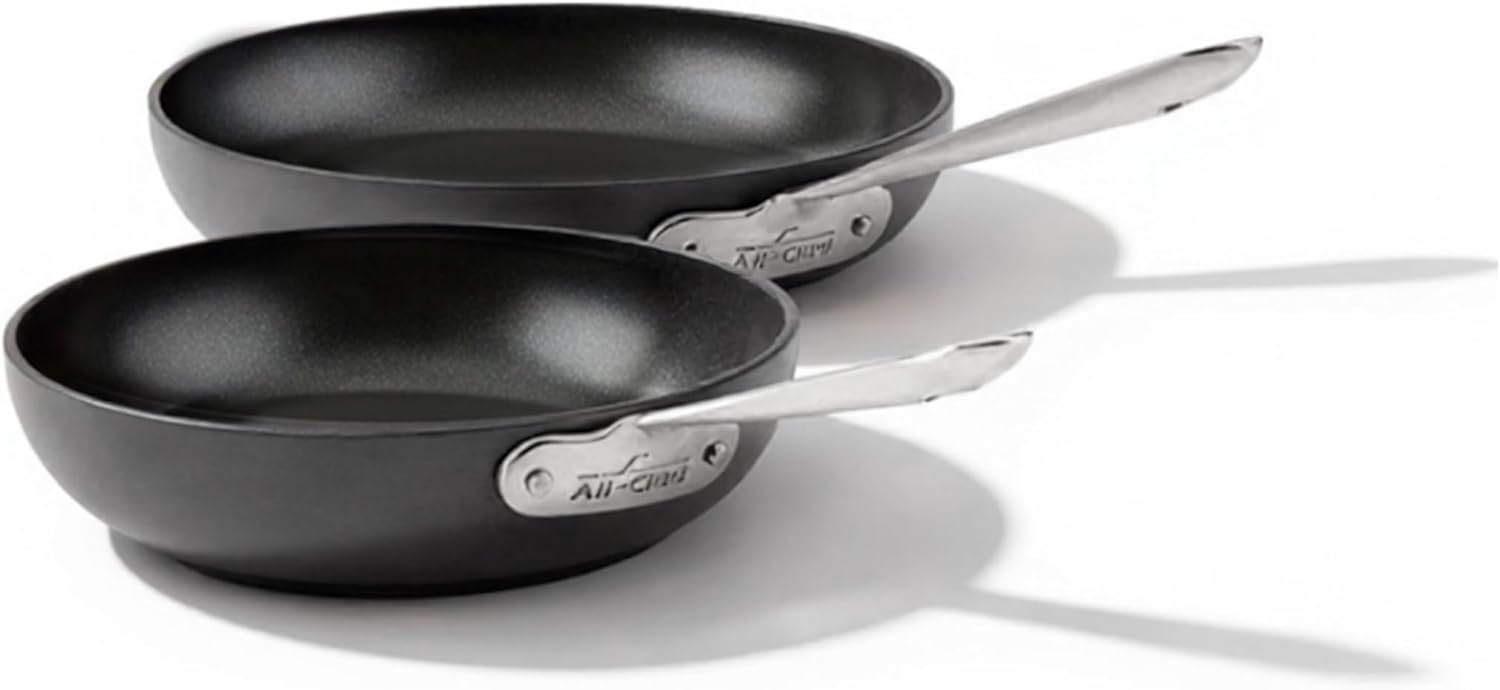
Hard-anodized aluminum options feature specialized nonstick coatings that prioritize easy food release. These pans distribute heat efficiently while preventing delicate ingredients like eggs and fish from sticking, though they operate under stricter temperature limits than bare metal surfaces.
Size Options and Cooking Volume
Pan dimensions dictate how much food you can prepare at once. Smaller 8-inch and 10-inch models work well for single-serving meals, morning eggs, or quick sautés. They heat up quickly and take up minimal space on crowded stovetops during busy cooking sessions.
Larger 12-inch skillets provide expansive surface areas for family-sized portions, multi-ingredient stir-fries, and large cuts of meat. While they prevent ingredient crowding, their increased physical dimensions demand more storage room in kitchen cabinets and wider drying areas.
Lid Inclusion and Cooking Versatility
Evaluating whether a frying pan includes a lid changes its functional capability. Pans bundled with matching covers allow you to trap heat, steam vegetables, simmer sauces, and melt cheese directly in the skillet after initial searing steps on the stovetop.
Skillets sold without lids focus strictly on open-surface frying, browning, and flipping. If your recipes frequently require covered steaming or simmering, selecting a model with an engineered lid prevents the need to purchase separate compatible covers later.
Stovetop Compatibility and Heat Sources
Verifying your cooktop type ensures proper performance and safety. Most modern aluminum and stainless steel pans support traditional gas and electric coil burners, as well as smooth glass cooktops. Many designs also integrate optimized stainless steel bases for induction compatibility.
Checking temperature thresholds is equally vital. Stainless steel variants often handle much higher oven temperatures than nonstick models, making them suitable for intense broiler tasks. Nonstick pans feature specific heat ceilings to protect their coatings during baking.
Cleaning Methods and Maintenance Needs
Cookware maintenance varies significantly by surface material. Stainless steel options generally require hand washing with warm soapy water to preserve their polished exterior finish, avoiding abrasive pads that can scratch the metal over extended periods of regular use.
Many hard-anodized nonstick pans are rated dishwasher safe, though washing them by hand with a soft sponge helps preserve the nonstick coating. Using wooden, silicone, or nylon utensils further protects nonstick surfaces from premature wear and scratching.
Handle Design and Ergonomic Control
Handle construction influences comfort and control during active cooking. Many professional-style pans feature contoured stainless steel handles designed with ergonomic grips that help balance the weight of the pan when lifting heavy ingredients off burners.
Riveted attachment methods provide permanent structural security compared to welded or screwed alternatives. However, metal handles can conduct heat during prolonged stovetop use, requiring cautious handling or protective mitts when transitioning pans to hot ovens.
Frequently asked questions
What is the main difference between stainless steel and nonstick frying pans?
Stainless steel pans provide a bare metal cooking surface that excels at high-heat searing and browning, requiring proper preheating and oil to prevent sticking. Nonstick pans feature a specialized coating like PTFE over hard-anodized aluminum, allowing effortless food release and cleanup with minimal oil, though they operate under lower maximum temperature limits.
Can these frying pans be used on induction cooktops?
Many of these frying pans are fully compatible with induction cooktops, featuring optimized stainless steel bases or bonded tri-ply construction that interacts with magnetic burner surfaces. Always verify the specific model compatibility details to ensure seamless operation on your particular kitchen range before purchasing.
Are these frying pans safe to put in the oven?
Oven safety varies by model and construction materials. Stainless steel variants often withstand oven and broiler temperatures up to 600 degrees Fahrenheit, while nonstick models with tempered glass lids typically have lower temperature limits around 350 to 500 degrees Fahrenheit for the pan and lid components.
How should I clean and maintain a nonstick frying pan?
To preserve the nonstick coating, wash the pan by hand using warm water, mild dish soap, and a soft sponge rather than harsh abrasive scrubbers. Additionally, using silicone, nylon, or wooden utensils prevents scratching, extending the functional lifespan of the nonstick surface during daily cooking routines.
Do these fry pans come with lids included?
Some frying pans are sold as standalone skillets, while others are packaged with matching precision-fit stainless steel or tempered glass lids. Product listings specify whether a cover is included in the box, allowing you to choose a setup that supports steaming and simmering right away.