Appliances · Buying Guide
Best All-Clad Induction Cookware Sets for Every Kitchen
Choosing the right cookware for an induction cooktop involves balancing heat distribution, material preferences, and daily maintenance routines. All-Clad offers multiple bonded metal and hard-anodized collections engineered to function seamlessly on magnetic cooktops while delivering reliable daily performance across diverse recipes, ensuring that home chefs can execute everything from simple breakfasts to elaborate weekend dinners with complete confidence in their equipment.
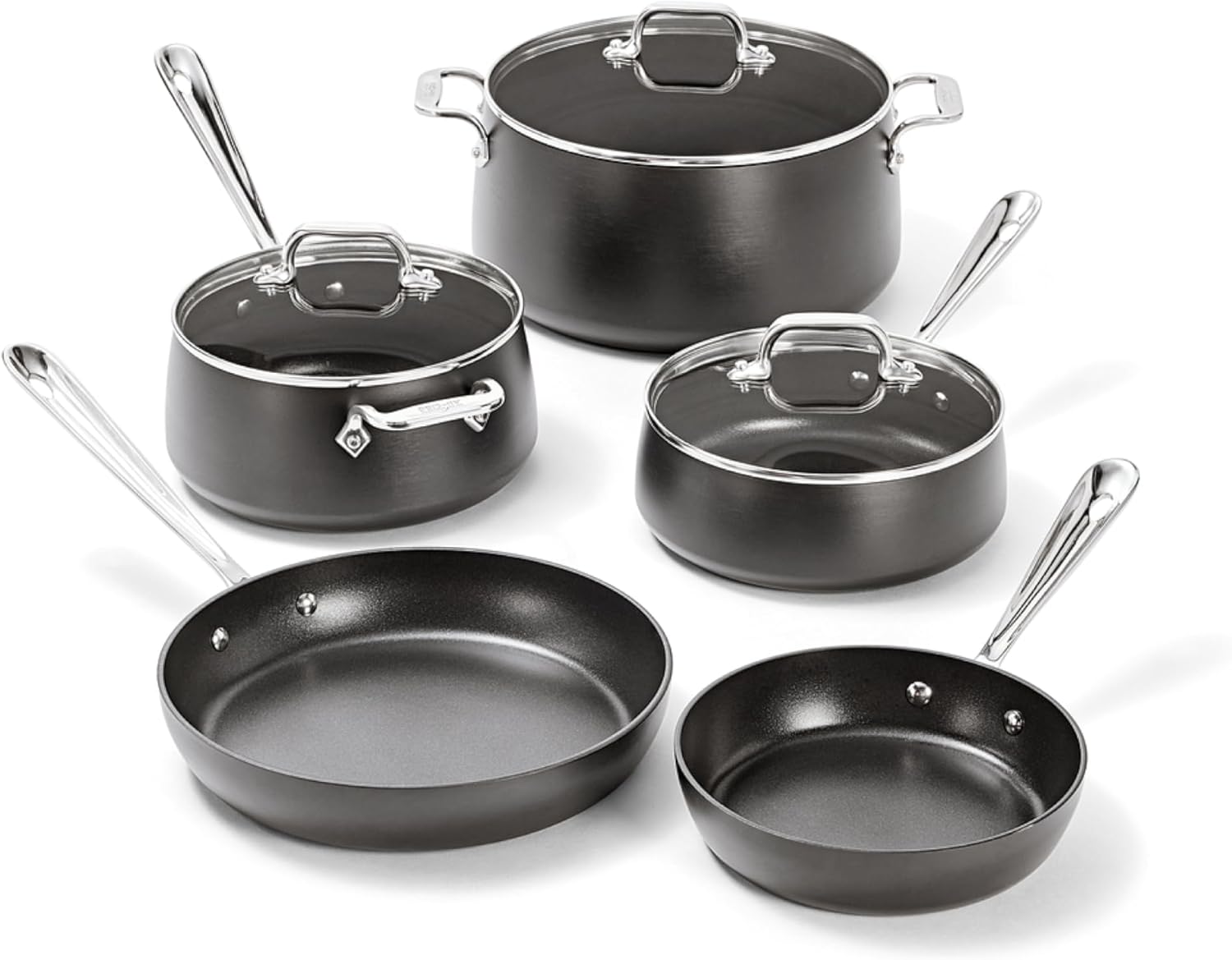
Whether outfitting a home kitchen with a compact seven-piece stainless collection or a large thirteen-piece nonstick assortment, understanding core construction differences helps buyers select the ideal set for their cooking habits, storage constraints, and cleaning preferences without second-guessing magnetic compatibility or thermal efficiency during meal preparation.
As an Amazon Associate, StacyLaughs earns from qualifying purchases.
Buying guide
Understanding Bonded Metal Construction
Evaluating bonded metal technology is essential when selecting an induction cookware set for your kitchen. Multi-ply options, such as tri-ply and five-ply configurations, permanently layer conductive aluminum or steel cores between durable exterior stainless steel layers. This sophisticated construction method allows magnetic induction cooktops to transfer thermal energy rapidly and evenly across the entire cooking base rather than just a localized center ring, eliminating hot spots.
Buyers should carefully consider whether a three-ply or five-ply design best matches their daily cooking style and heat management preferences. While both types ensure excellent thermal performance on induction burners, heavier multi-ply variants offer increased mass that stabilizes temperatures during intensive searing, simmering, and braising sessions on high-powered appliances, ensuring consistent culinary results.
Nonstick Coatings Versus Bare Stainless Steel
Choosing between nonstick surfaces and bare stainless steel depends heavily on your preferred cooking techniques and daily cleanup priorities. Hard-anodized aluminum nonstick sets provide effortless food release for delicate items like eggs and fish, requiring minimal cooking oils and simple sponge wiping after meals. However, these surfaces demand non-metal utensils to prevent scratching over extended periods of regular home use.
Conversely, bare stainless steel sets withstand high broiler temperatures up to six hundred degrees and metal utensils without scratching, making them ideal for heavy searing, browning, and pan roasting. Weighing these surface characteristics ensures your cookware aligns with your favorite recipes, high-heat demands, and personal maintenance comfort level without unexpected compromises.
Determining Piece Counts and Set Configurations
Assessing your household size and typical meal preparation habits helps determine the ideal set piece count for your kitchen. Smaller seven-piece or eight-piece collections focus on foundational vessels like fry pans, saucepans, and stockpots, making them highly efficient for couples or individuals with limited cabinet storage space. These streamlined bundles cover basic daily tasks without cluttering kitchen drawers.
Larger ten-piece and thirteen-piece sets introduce specialized vessels, such as additional sauté pans, soup pots, and extra fry pans, accommodating complex multi-course cooking and larger family gatherings. Reviewing your daily menu requirements prevents purchasing redundant items while ensuring you always have the right pot capacity available for simultaneous side dishes and main courses.
Stovetop Compatibility and Induction Performance
Verifying induction compatibility is crucial since magnetic cooktops rely on ferrous metal interaction to generate heat directly within the pan base. All-Clad induction-ready sets feature either magnetic stainless steel exterior layers or specialized bonded stainless steel base plates embedded into aluminum bodies, ensuring efficient energy transfer and rapid heating response on modern glass-ceramic induction surfaces.
Beyond induction burners, these versatile cookware collections also function safely on traditional gas and electric stovetops without requiring specialized adapters. This multi-stovetop adaptability allows home cooks to move their favorite pots and pans between different kitchen appliances or take existing sets to new residences without ever losing operational functionality.
Temperature Limits and Oven Safety Guidelines
Understanding temperature limits is vital when transitioning cookware from the stovetop directly into a hot oven or broiler for finishing recipes. Stainless steel All-Clad sets typically withstand extreme temperatures up to six hundred degrees Fahrenheit, easily accommodating intense roasting, baking, and broiling tasks without warping or degrading metal structural integrity over time.
In contrast, nonstick sets featuring tempered glass lids often have lower thermal thresholds, with glass cover components typically restricted to three hundred fifty degrees Fahrenheit while the underlying metal pans handle five hundred degrees. Checking these manufacturer specifications prevents accidental thermal shock and ensures safe, worry-free baking performance during complex culinary preparation tasks.
Maintenance, Cleaning, and Utensil Requirements
Proper maintenance routines preserve the appearance and performance of your induction cookware over years of regular home use. Stainless steel collections generally require manual handwashing to maintain their polished exterior finishes, while many nonstick sets advertise dishwasher safety although gentle handwashing with a mild soap and soft sponge remains recommended to protect coatings.
Additionally, carefully matching your cooking utensils to the specific interior surface type protects delicate coatings from premature scratching and operational wear. Using silicone, nylon, or wooden tools on nonstick aluminum pans and metal utensils on bare stainless steel maximizes product longevity and keeps cooking surfaces performing reliably across daily meal preparation routines.
Frequently asked questions
Do all All-Clad cookware sets work on induction cooktops?
All-Clad manufactures specific collections that are fully compatible with induction cooktops, including their popular stainless steel and hard-anodized nonstick lines. Induction cooktops require magnetic metals to generate heat through electromagnetic fields. Stainless steel models achieve this through their steel exterior layers, while nonstick aluminum models integrate optimized stainless steel bases into their construction. Buyers should always verify specific product compatibility details before purchasing to ensure seamless operation on magnetic glass-ceramic induction burners in their kitchen.
Can stainless steel All-Clad sets go in the dishwasher?
Most All-Clad stainless steel cookware sets specify handwash only requirements for routine maintenance. While stainless steel metal is durable, harsh dishwasher detergents and extended high-heat wash cycles can dull the polished exterior finish or discolor exposed aluminum edges over time. Handwashing with warm soapy water and a non-abrasive sponge preserves the aesthetic appearance and professional shine of the cookware. Users seeking automated cleanup convenience often look toward dishwasher-safe nonstick collections instead.
What utensils should be used with All-Clad nonstick cookware sets?
All-Clad nonstick cookware collections, such as the HA1 series, require non-abrasive utensils to protect the PTFE coating from scratching and premature wear. Manufacturers explicitly recommend using silicone, nylon, or wooden utensils during cooking tasks. Avoid metal whisks, spatulas, or forks on nonstick surfaces, as sharp metal edges can gouge the coating over time. Conversely, bare stainless steel sets fully accommodate metal utensils without risking surface damage during heavy searing and stirring activities.
What is the difference between D3 and D5 All-Clad stainless cookware?
The primary difference lies in the bonded metal ply structure used to construct each cookware piece. D3 stainless sets feature a classic tri-ply construction consisting of an aluminum core sandwiched between two layers of stainless steel, delivering fast and responsive heat distribution. D5 sets utilize a five-ply bonded technology adding an internal steel core, which provides slightly heavier mass and supremely steady, even heat distribution that helps prevent scorching during delicate braising and roasting tasks.
Are tempered glass lids oven safe on All-Clad nonstick sets?
Tempered glass lids included with All-Clad nonstick cookware sets are oven safe up to three hundred fifty degrees Fahrenheit. This temperature limit is lower than the pots and pans themselves, which typically withstand up to five hundred degrees. Cooks should remove the glass lids before transferring cookware into higher-heat oven environments or broiler settings to prevent thermal stress or shattering, ensuring safe handling throughout baking and roasting recipes.