Appliances · Buying Guide
Best All-Clad Induction Cookware Sets and Pans for Your Kitchen
Choosing the right cookware for an induction cooktop requires matching magnetic metal compatibility with your daily culinary routines. All-Clad offers multiple professional-grade collections engineered specifically to perform flawlessly across diverse modern stovetop surfaces while delivering reliable, exceptionally even heat distribution for all your favorite recipes and everyday cooking tasks and meal preparations.
Whether you prefer the effortless food release provided by hard-anodized nonstick aluminum or the pristine searing capabilities of multi-ply stainless steel, understanding these distinct line-ups helps streamline your purchase decision. Exploring these options ensures your kitchen remains fully equipped for everything from quick weeknight sautés to slow-simmered weekend meals without ever compromising on modern durability, classic countertop style, and long-term kitchen reliability.
As an Amazon Associate, StacyLaughs earns from qualifying purchases.
Buying guide
Material Composition and Induction Compatibility
Choosing induction-ready cookware requires verifying that the base contains reactive magnetic stainless steel. All-Clad collections feature optimized bonded bases or full multi-ply layers that interact seamlessly with electromagnetic cooktops. This magnetic responsiveness ensures efficient energy transfer directly into the pan rather than wasting thermal energy in the surrounding kitchen environment during long simmering tasks.
Understanding your preferred material influences both daily handling and cooking results. Hard-anodized aluminum options combine thermal efficiency with convenient nonstick release, whereas multi-ply stainless steel models provide heirloom durability and superior high-heat searing capabilities. Evaluating these structural differences helps align your purchase with realistic kitchen habits, storage realities, and long-term maintenance preferences without unnecessary complications.
Set Configuration Versus Individual Pieces
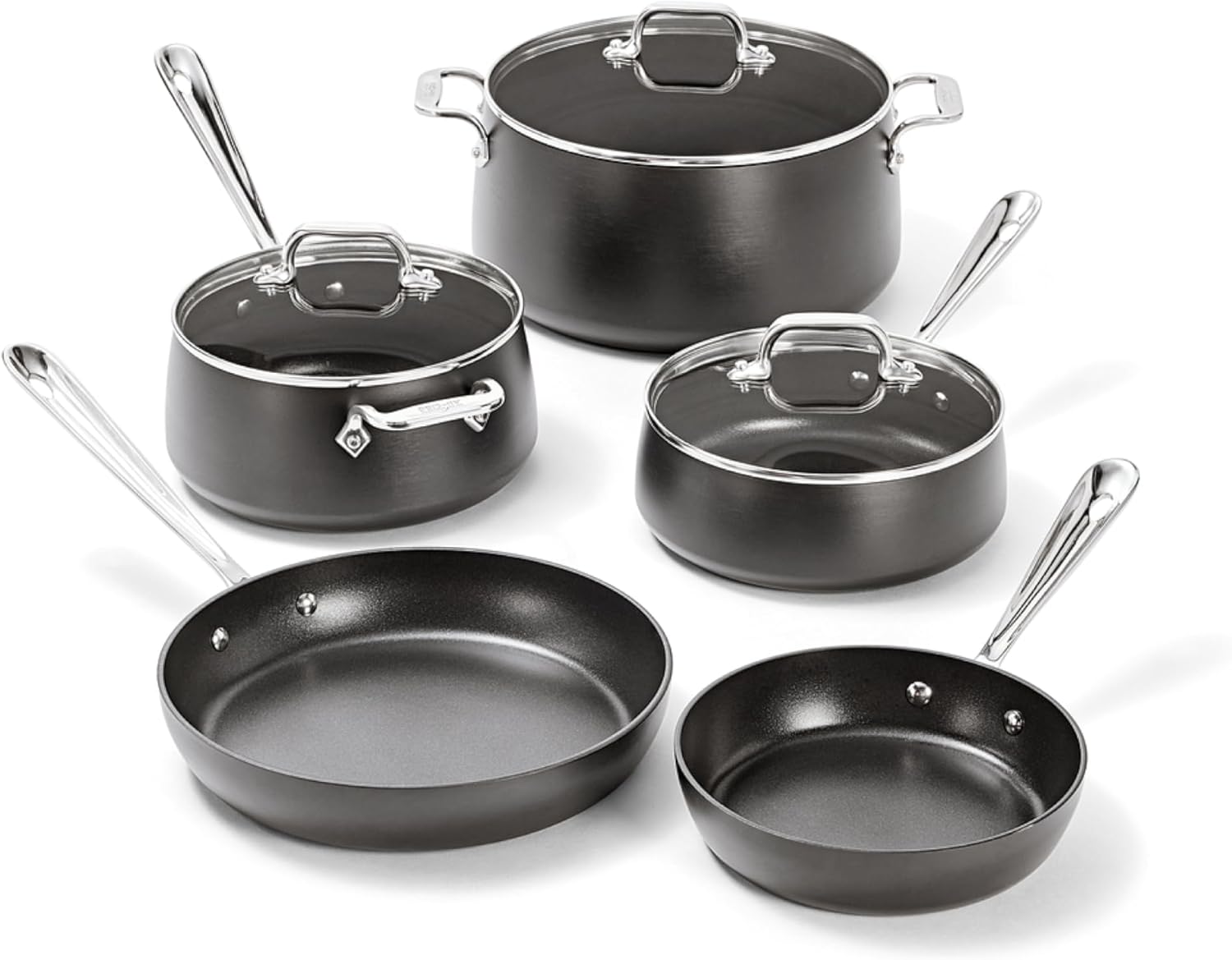
Deciding between a complete cookware set and purchasing individual pans depends entirely on your specific culinary routines and regular menu variety. Comprehensive sets provide an immediate, matching assortment of fry pans, sauce pans, and stockpots, ensuring you always have the right vessel size available for complex multi-dish dinners and large family gatherings.
Conversely, buying standalone specialty pieces allows you to invest your budget directly into the exact skillet sizes you use most frequently without needlessly storing unused pots. Carefully assess your typical weekly meal preparation style to determine whether a bundled collection or a targeted single pan provides better practical value for your specific household cooking space and storage limitations.
Surface Coatings and Food Release
Nonstick coatings offer remarkable convenience for cooking delicate proteins like fish and eggs with minimal oil or butter. Collections featuring high-quality PTFE surfaces ensure smooth food release, preventing delicate ingredients from sticking and making post-cooking cleanup exceptionally straightforward for busy home cooks who value speed, simplicity, and efficiency during hectic weeknights.
On the other hand, traditional stainless steel surfaces lack chemical coatings but excel at developing rich pan fond and enduring extremely high oven and broiler temperatures. Choosing between these surface types involves balancing the daily ease of nonstick convenience against the robust searing performance and lifelong longevity associated with traditional bare multi-ply metal construction.
Heat Distribution and Core Materials
The internal core construction of your cookware dictates how evenly heat spreads across the bottom cooking surface during active meal preparation sessions. Aluminum cores heat up rapidly and distribute thermal energy uniformly, eliminating dangerous hot spots that can scorch sensitive cream sauces or unevenly brown delicate foods across powerful induction burners.
Multi-ply stainless steel builds upon this foundational engineering by encapsulating highly conductive metals entirely within durable outer stainless steel layers. This bonded architecture maintains stable cooking temperatures even when you introduce cold ingredients to a hot pan, ensuring predictable results whether you are simmering delicate reductions or searing thick cuts of meat for your family weeknight dinner.
Maintenance and Cleaning Guidelines
Proper maintenance routines preserve the structural integrity and aesthetic appeal of your cookware investment over years of regular kitchen use. Hard-anodized nonstick cookware generally requires gentle hand washing with warm soapy water and a soft sponge, avoiding harsh abrasive scrubbing pads or metal utensils that could scratch or degrade the delicate protective coating over time.
Stainless steel collections frequently accommodate rigorous cleaning methods, though specific manufacturer guidelines should always be reviewed before placing items into an automated household dishwasher. Adhering to recommended care practices ensures your pots and pans retain their thermal performance, preventing premature wear and tear while maintaining safe, reliable operation on modern induction cooktops for many upcoming years.
Handle Design and Ergonomic Control
Comfortable handle design plays a critical role in daily kitchen safety, especially when actively maneuvering heavy pots filled with boiling liquids or dense stews. Securely riveted stainless steel handles provide a robust, reliable connection to the cookware body, ensuring the vessel will not wobble or detach during heavy-duty lifting and transferring tasks around the busy kitchen.
Additionally, ergonomic handle shapes specifically designed for underhand chef grips or balanced lifting help reduce wrist fatigue during extended cooking sessions. Evaluating how a handle feels in your hand ensures you can confidently transport hot pans from stovetop burners directly to hot oven interiors or dining tables without experiencing physical strain or discomfort.
Frequently asked questions
Are All-Clad stainless steel and nonstick cookware collections fully compatible with induction cooktops?
Yes, all the featured All-Clad collections discussed here are specifically engineered to be fully compatible with any stovetop, including modern magnetic induction cooktops. Their designs incorporate either an optimized stainless steel base bonded to heavy-gauge aluminum or full multi-ply stainless steel construction. This magnetic property allows the cookware to interact efficiently with the electromagnetic field of an induction burner, ensuring rapid heating and reliable thermal distribution across the cooking surface without requiring extra adapter plates or specialized accessories during meal preparation.
Can I place my All-Clad induction cookware inside the oven, and what are the temperature limits?
Yes, All-Clad cookware is designed for seamless transition from the stovetop to the oven, though temperature limits vary depending on the specific collection and lid type. Stainless steel models like the D3 and D5 lines are oven and broiler safe up to six hundred degrees Fahrenheit. In contrast, hard-anodized nonstick HA1 sets are oven safe up to five hundred degrees Fahrenheit, while their accompanying tempered glass lids have a lower safety limit of three hundred fifty degrees Fahrenheit, requiring careful monitoring during baking.
What is the recommended cleaning method to maintain All-Clad cookware over time?
Cleaning recommendations depend directly on whether you are using the stainless steel or hard-anodized nonstick collections. Stainless steel pieces can handle thorough cleaning, though hand washing is often recommended by manufacturers to preserve the exterior polish, and dishwasher use varies by line. For HA1 nonstick items, dishwasher use is listed, but washing by hand with warm soapy water, a soft sponge, and avoiding abrasive scrubbing pads or metal utensils is strongly advised to protect the delicate nonstick surface coating and ensure long-lasting food release performance.
What types of utensils should I use with All-Clad nonstick versus stainless steel cookware?
Utensil compatibility depends entirely on the interior cooking surface of your chosen cookware collection. For hard-anodized nonstick sets like the HA1 line, you should exclusively use silicone, nylon, or wooden utensils to prevent scratching and preserve the protective PTFE coating. Conversely, multi-ply stainless steel collections such as D3 and D5 feature durable metal surfaces that readily accommodate metal whisks, spatulas, and spoons without risking structural damage, allowing you greater freedom when stirring or scraping pan fond during intensive cooking tasks.
Why is multi-ply bonded metal construction beneficial for cooking on an induction burner?
Multi-ply bonded metal construction combines layers of responsive metals like aluminum with durable stainless steel, which delivers superior thermal performance on induction burners. Because induction cooktops heat cookware using magnetic fields rather than open flames, having a uniform metal core ensures that thermal energy spreads evenly across the entire bottom and up the sides of the pan. This prevents localized hot spots that can burn food, resulting in more consistent browning, precise simmering, and reliable temperature control for all your culinary recipes.